

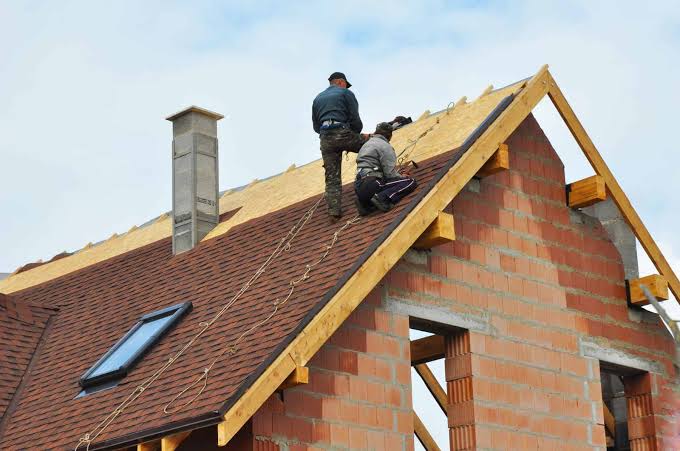
The lifespan of a roof is one of the most important factors homeowners consider when maintaining or renovating their property. A well-installed roof not only protects the home from harsh weather but also adds value and improves energy efficiency. However, no matter how well-constructed, every roof has a limited lifespan. Understanding how long a regular roof lasts and when to consider roof repair can save homeowners from costly damages and unexpected surprises.
The longevity of a roof depends on several factors, including the type of material used, the climate, installation quality, and ongoing maintenance. Typically, an asphalt shingle roof, which is the most common in residential homes, can last anywhere from 20 to 30 years under ideal conditions. However, this estimate can vary widely. In regions exposed to extreme weather conditions like heavy rain, snow, or strong sunlight, the lifespan may be shorter. On the other hand, roofs made of materials such as metal, slate, or tile often outlast asphalt shingles, sometimes reaching 50 years or more with proper care.
Maintenance plays a significant role in determining the durability of a roof. A roof that receives regular inspections and minor fixes tends to last longer than one that is neglected. Over time, shingles may crack, curl, or loosen, allowing water to seep into the underlying structure. Early roof repair can prevent such minor issues from escalating into major problems that could shorten the roof’s lifespan. Additionally, keeping gutters clean and ensuring proper ventilation can help maintain the integrity of the roofing system.
Another important factor is the quality of installation. Even the most durable roofing material will not perform as expected if it is not installed correctly. Poor workmanship can lead to premature leaks, structural weaknesses, and faster deterioration. Homeowners should always work with experienced professionals to ensure the roof is installed according to industry standards.
Climate conditions have a significant impact on how long a roof lasts. Constant exposure to UV rays can weaken shingles, while heavy snowfall can cause ice dams that put extra stress on the roof structure. Strong winds, hail, and severe storms can also damage shingles and underlayment, requiring timely roof repair to avoid further complications. In coastal areas, salt in the air can accelerate corrosion on metal components, reducing their longevity.
Even with these variables, there are signs homeowners can watch for to determine if their roof is approaching the end of its life. Frequent leaks, missing shingles, sagging sections, and granule loss are all indicators that the roof may require replacement rather than repair. However, if only small areas are affected, professional roof repair can often extend the life of the roof for several years, making it a cost-effective alternative to a complete replacement.
Ultimately, the lifespan of a roof depends on a combination of material, maintenance, and environmental factors. While it is impossible to predict an exact timeframe, most homeowners can expect a regular asphalt shingle roof to last about two to three decades with proper care. Regular inspections and timely roof repair remain essential to protecting your investment and ensuring your home remains safe and secure. By taking a proactive approach, you can maximize your roof’s durability and avoid the stress and expense of premature replacement.
