

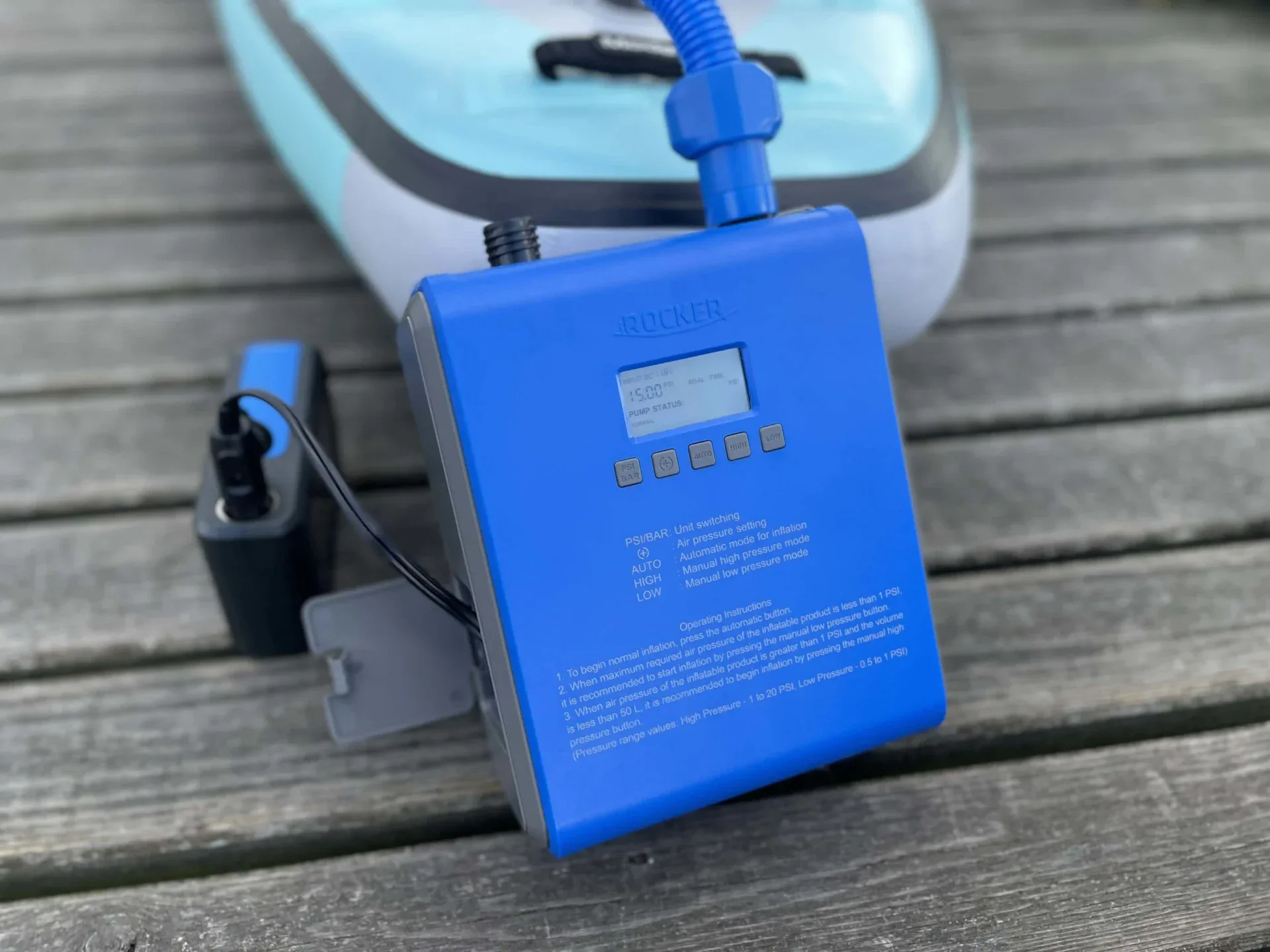
When it comes to stand-up paddleboarding, few things are more frustrating than spending 15-20 minutes manually pumping your SUP to the correct pressure before you can even touch the water. This is where electric paddle board pumps revolutionize your paddling experience, transforming what used to be an exhausting pre-water ritual into a quick, effortless process that gets you on the water faster than ever before.
What Makes Electric SUP Pumps a Game-Changer?
Electric paddle board pumps have completely transformed how SUP enthusiasts approach their water adventures. Unlike traditional manual pumps that require significant physical effort and time, electric pumps deliver consistent, high-pressure inflation in a fraction of the time. These powerful devices can inflate a standard SUP from flat to ride-ready in just 8-12 minutes, depending on the board size and pump specifications.
The technology behind these pumps typically features dual-stage operation, where the first stage delivers high volume at lower pressure for quick initial inflation, while the second stage switches to high pressure, low volume to reach those crucial final PSI levels that ensure optimal board performance and safety.
Real-World Performance: What to Expect from Daily Use
After extensive testing with multiple electric SUP pumps over several seasons, the performance differences become clear. Quality electric pumps like those available at Sports Engineer consistently deliver reliable inflation across various conditions and repeated use.
During consecutive inflations, expect cooling periods between uses. Most quality pumps feature built-in thermal protection that automatically shuts down the motor if it overheats, typically after inflating 2-3 large SUPs back-to-back. This isn’t a flaw – it’s a crucial safety feature that prevents motor damage and extends pump life. In real-world testing, allowing a 2-3 minute cooling period between inflations ensures consistent performance throughout extended use sessions.
The noise factor is worth considering. During the initial high-volume stage, most electric pumps operate at a moderate noise level, similar to a household vacuum cleaner. However, when switching to the high-pressure second stage, the sound intensifies noticeably as the pump works harder to achieve those final crucial PSI levels. This increased noise typically lasts only 2-3 minutes of the total inflation time.
Essential Features to Look for in Electric SUP Pumps
Digital Display and Auto Shutoff
Modern electric paddle board pumps feature digital displays showing real-time pressure readings, eliminating guesswork. The auto shutoff function allows you to preset your desired PSI (typically 12-15 PSI for most SUPs), and the pump automatically stops when reached, preventing over-inflation damage.
Dual Power Options
The most versatile pumps offer both 12V car adapter and rechargeable battery options. Car adapters provide unlimited power for extended use sessions, while rechargeable batteries offer portability for remote locations. Battery-powered pumps typically provide 2-4 full SUP inflations per charge.
Universal Valve Compatibility
Quality electric pumps include multiple valve adapters supporting Boston valves, C7 valves, pinch valves, and standard Schrader valves, ensuring compatibility with virtually any SUP brand.
Hose Length and Storage
Look for pumps with at least 10-12 feet of hose length, allowing comfortable positioning away from your board during inflation. Integrated hose storage prevents tangling and damage during transport.
Package Contents: What’s Typically Included
When purchasing an electric SUP pump, expect to receive:
- Main pump unit
- 12V car adapter with 10-12 foot cord
- Multiple valve adapters and gaskets
- Inflation hose (usually 3-4 feet)
- Pressure gauge (either built-in digital or separate analog)
- User manual and warranty information
Notable omission: Many pumps don’t include carrying cases, which can be purchased separately if desired for organized storage and transport.
Pros and Cons of Electric Paddle Board Pumps
Advantages:
- Speed: 8-12 minute inflation vs 15-25 minutes manual pumping
- Consistency: Maintains steady pressure throughout inflation
- Reduced fatigue: Saves energy for actual paddling
- Accuracy: Digital displays ensure precise PSI levels
- Versatility: Most work with various inflatables beyond SUPs
Potential Drawbacks:
- Power dependency: Requires car connection or charged battery
- Initial cost: Higher upfront investment than manual pumps
- Weight: Heavier than manual alternatives
- Cooling requirements: May need breaks between multiple inflations
Buying Guide: Making the Right Choice
For Casual Paddlers
If you paddle 1-2 times per month with a single board, a mid-range electric pump with car adapter capability provides excellent value. Battery operation becomes less critical with infrequent use.
For SUP Families
Families inflating multiple boards benefit from high-capacity pumps with robust cooling systems. Look for models specifically rated for consecutive inflations and consider investing in pumps with longer warranties.
For Remote Adventures
Battery-powered pumps with long runtime become essential for off-grid locations. Solar charging capability adds value for extended wilderness trips.
Performance Expectations: Real-World Inflation Times
Based on extensive testing across different board sizes:
- 10’6″ All-Around SUP: 8-10 minutes to 15 PSI
- 11’6″ Touring SUP: 10-12 minutes to 15 PSI
- 10′ Wide SUP (34″+ width): 12-15 minutes to 15 PSI
These times assume starting from completely flat boards in moderate temperature conditions. Cold weather can extend inflation times by 20-30%.
Maintenance and Best Practices
Optimal Usage Tips
- Allow 2-3 minutes cooling time between inflating multiple boards
- Start inflation immediately after setup to prevent motor strain
- Monitor pressure readings to avoid over-inflation
- Keep air intake vents clear of sand and debris
Storage Recommendations
Store electric pumps in dry, temperature-controlled environments. Extreme heat or cold can affect battery life and motor performance. Clean external surfaces regularly but avoid getting electrical components wet.
Troubleshooting Common Issues
If your pump struggles to reach high pressures, check valve connections for air leaks. Ensure all adapters are properly seated and gaskets aren’t damaged or missing.
Where to Purchase and What to Expect
For reliable electric paddle board pumps with proven performance, Sports Engineer offers a curated selection of quality pumps designed for versatile inflation needs. Their collection includes models suitable for SUPs, bikes, and other inflatables, backed by responsive customer service and hassle-free return policies.
When purchasing, consider warranty coverage, typically ranging from 12-24 months for quality pumps. Extended warranties often indicate manufacturer confidence in product durability.
Frequently Asked Questions
How many SUPs can I inflate on one charge? Most battery-powered pumps handle 2-4 full SUP inflations per charge, depending on board size and ambient temperature.
Will it work with my SUP’s valve? Quality electric pumps include multiple adapters supporting virtually all SUP valve types, including Boston, C7, and pinch valves.
Is it loud enough to disturb others? While noticeable, most electric pumps operate at reasonable noise levels, comparable to household appliances. The high-pressure stage is loudest but brief.
Making Your Decision
Electric paddle board pumps represent a significant upgrade for anyone serious about SUP adventures. The time and energy savings, combined with consistent performance and precise pressure control, justify the investment for regular paddlers. While manual pumps remain viable backups, electric pumps transform SUP preparation from a workout into a simple pre-paddle routine.
Choose based on your specific needs: casual paddlers benefit from car-powered models, while adventurers requiring portability should prioritize battery-powered options with solar charging capability. Either way, you’ll wonder how you ever managed without one once you experience the convenience of electric SUP inflation.
