

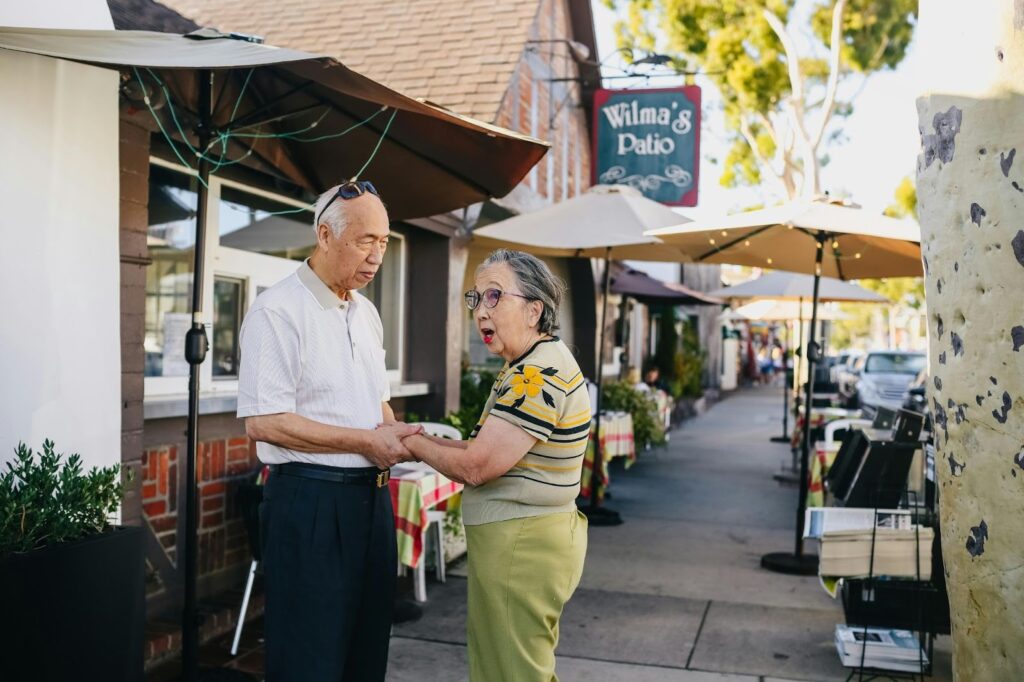
The idea of aging has evolved significantly in recent years. Seniors today are redefining what later life looks like by prioritizing comfort, autonomy, and meaningful experiences. Rather than viewing aging as a period of limitation, many older adults see it as an opportunity to simplify life, focus on wellbeing, and enjoy stronger social connections. Living homes have become an increasingly popular choice because they support these goals while offering an environment designed specifically for changing needs. This shift reflects a desire for a lifestyle that balances independence with reassurance and support.
Preserving Independence Without Feeling Isolated
A key reason many seniors choose to live in homes is the ability to maintain independence while avoiding isolation that can come with living alone. These communities are designed to empower residents to make their own choices, manage their daily routines, and enjoy privacy within their own living spaces.
At the same time, help is readily available when needed. This subtle presence of support can be especially comforting, as it removes the worry of handling unexpected challenges alone. Seniors often find that this structure allows them to remain confident and self-directed while still benefiting from a secure environment. The result is a sense of freedom paired with peace of mind.
Building Daily Social Connections
Social interaction plays a vital role in emotional health, particularly later in life, when social circles can naturally become smaller. Living homes are intentionally designed to encourage connection by bringing residents together through shared spaces, communal meals, and a variety of daily activities. These environments make interaction feel natural and accessible rather than forced, allowing relationships to form at a comfortable pace. Simple moments, such as greeting a neighbor in the hallway or sharing a meal at a familiar table, can create a strong sense of routine and comfort.
Residents often appreciate how easy it is to socialize without the effort required to plan outings, coordinate schedules, or travel long distances. Living homes remove many of the barriers that can make social engagement difficult, especially for those with limited mobility or energy. Casual conversations, shared interests, and group activities provide consistent opportunities for connection. Over time, these interactions often grow into meaningful friendships that offer emotional support, companionship, and a sense of belonging. For many seniors, this daily connection becomes an essential part of feeling engaged, valued, and truly at home.
Reducing the Burden of Household Responsibilities
Managing a household can become increasingly demanding as people age. Tasks such as cooking, cleaning, home maintenance, and transportation may require more energy or create unnecessary stress. Living homes address this challenge by providing services that simplify daily life.
With many responsibilities handled by the community, seniors can redirect their time and energy toward activities they enjoy. This might include hobbies, fitness programs, creative pursuits, or simply relaxing without the pressure of chores. The reduced mental and physical load often leads to greater overall satisfaction and a more enjoyable daily routine.
Personalized Support in a Comfortable Setting
Modern living homes emphasize care that is tailored to the individual rather than relying on a standardized or one size fits all approach. Staff members take the time to understand each resident’s preferences, habits, routines, and comfort levels, recognizing that every person brings a unique life experience and set of needs. This thoughtful attention helps ensure that support feels personal and respectful, not intrusive. When care aligns with familiar routines and personal choices, seniors are more likely to feel at ease and confident in their surroundings.
In communities offering assisted living in Redlands, CA this personalized approach is often paired with a warm and welcoming atmosphere that prioritizes trust and consistency. Residents receive support that can adapt gradually as their needs change, whether that involves additional assistance or simple adjustments to daily routines. Throughout these changes, dignity and privacy remain central, allowing seniors to feel secure without feeling dependent. This flexibility provides reassurance not only for residents, but also for families, who value knowing that care can evolve smoothly without disrupting comfort, familiarity, or a sense of home. This gives the feeling of home comfort to all members of the family knowing that your loved ones are safe and cared for!
Encouraging Wellness and Daily Engagement
Living homes often focus on supporting overall wellness, not just physical needs. Opportunities for movement, creativity, and mental engagement are woven into daily life. Residents may participate in light exercise, discussion groups, or recreational activities that stimulate both body and mind.
These offerings help seniors stay engaged and motivated, contributing to a stronger sense of purpose. Feeling active and involved can positively influence mood and confidence. For many residents, the availability of structured yet optional activities make it easier to maintain healthy routines and explore new interests. This in turn can lead to a healthier longer life.
A Thoughtful and Proactive Life Decision
Many seniors choose living homes as a proactive step rather than waiting for a major life change or emergency. Making the decision early allows individuals to transition gradually and on their own terms. This thoughtful planning reduces uncertainty and allows time to adjust emotionally and socially.
Families also appreciate this proactive approach. Knowing that a loved one is in a supportive environment can ease concerns and strengthen communication. Planning ahead creates space for shared decision making and fosters a sense of mutual understanding. For many, this preparation leads to greater confidence in the future.
Conclusion
The growing appeal of living homes reflects a broader shift in how seniors approach aging and long-term planning. Today’s older adults are increasingly intentional about how and where they want to live, prioritizing quality of life just as much as practical support. Rather than waiting for circumstances to force change, many seniors are choosing environments that proactively support independence, encourage meaningful connection, and reduce the everyday stress that can come with managing a household alone. Living homes respond to these priorities by offering a lifestyle centered on comfort, community, and thoughtful design.
By blending private living spaces with shared experiences and adaptable support, living homes align closely with modern expectations around aging. They allow seniors to remain active as participants in their own lives while knowing assistance is available if needed. This balance creates a sense of stability and confidence that extends beyond physical care. For many, choosing a living home is more than convenience. It is about embracing a future that feels secure, fulfilling, and deeply personal, where daily life is enriched by connection, choice, and peace of mind.
