

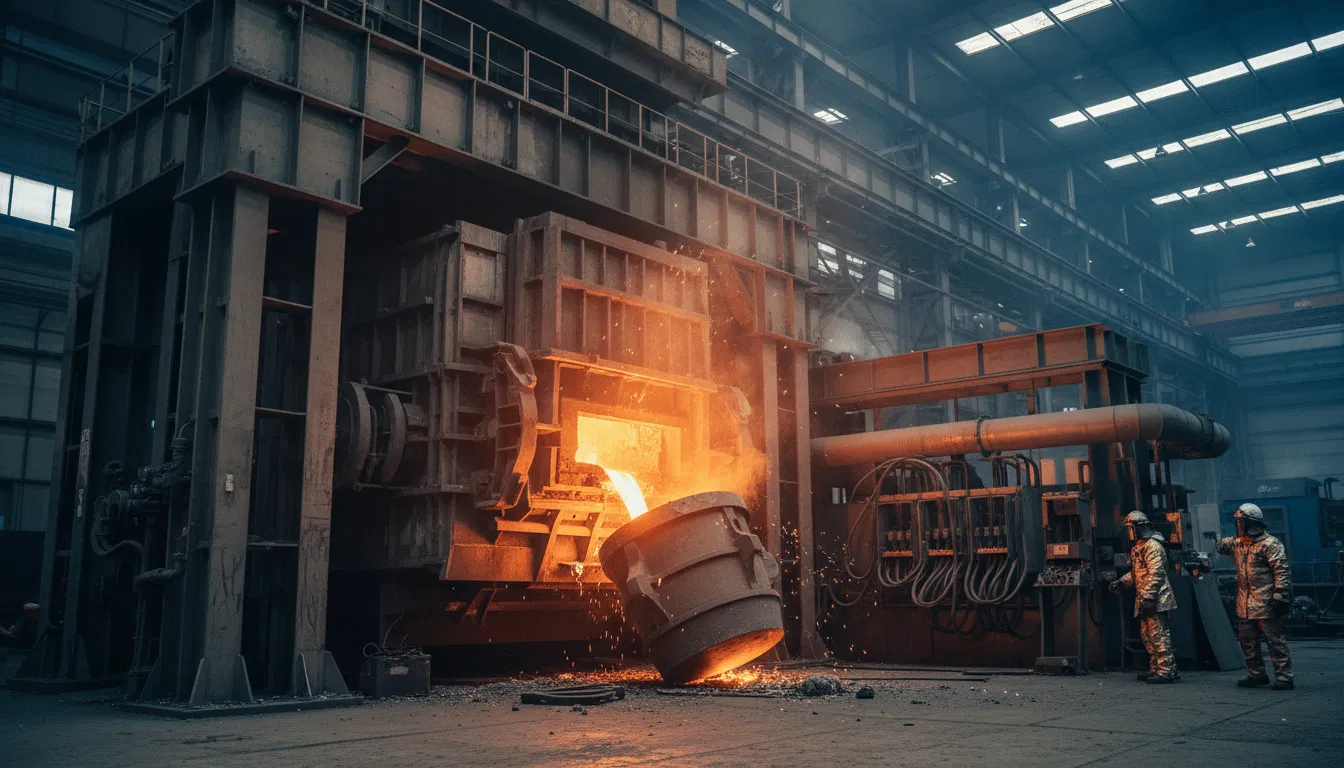
Walk through almost any modern factory floor and you will notice a quiet but unmistakable change. The materials being machined are not what they used to be. Ten years ago, steel dominated the conversation. Today, two families of non-ferrous metals—aluminum and copper alloys—are quietly reshaping the precision manufacturing landscape. And the forces driving this shift are not going away.
The numbers tell a compelling story. The metal precision turned product manufacturing market is projected to grow from $104.11 billion in 2025 to $142.66 billion by 2031, registering a CAGR of 5.39 percent. Within that, the aluminum CNC machining services market alone was estimated at $3.57 billion in 2025 and is forecast to grow at a CAGR of 7.20 percent through the forecast period. Meanwhile, the global copper alloys market was valued at $158.84 billion in 2025 and is expected to climb at a CAGR of 6.03 percent, reaching $239.45 billion by 2032.
What explains this growth? Lightweighting, electrification, and the relentless pursuit of performance. And as these trends accelerate, the gap between shops that have mastered these materials and those that have not is widening rapidly.
Aluminum: The Lightweight Workhorse of Modern Industry
Aluminum has become the default material for applications where every gram matters. The average North American light vehicle now contains more than 500 pounds of aluminum, up from approximately 350 pounds in 2012, with projections showing continued growth through 2030. Electric vehicles are even more aluminum-intensive: average aluminum content per EV reached 210 kg in 2026, up 18 percent from 2024, with projections hitting 280 kg by 2030.
Why aluminum? Because lightweighting directly translates to range, efficiency, and performance. EV battery enclosures, cooling plates, motor mounts, and structural brackets all demand the strength-to-weight ratio that aluminum delivers. A practical example is the use of aluminum in liquid cooling plates—components that require a precise balance between machinability and heat dissipation. Most EV battery enclosures are machined from 6061-T6 or 6082-T6 alloys, materials chosen for their consistent machinability and structural stability.
But aluminum is not without challenges. High-speed machining of aluminum generates large chip volumes that must be evacuated efficiently. If chips are not cleared immediately, they are recut or dragged across the cutting edge, damaging surface finish and accelerating tool wear. Tools with standard helix angles often suffer chip clogging and chatter during high-speed operations. This is why shops that specialize in aluminum have developed specialized tooling strategies—larger helix angles, polished flutes, and high-pressure coolant systems—to maintain surface integrity and dimensional accuracy across long production runs.
The applications extend far beyond automotive. Aerospace components, medical device housings, and humanoid robotic structural parts all rely on precision-machined aluminum. The surge in demand for lightweight structural components across emerging sectors is pushing aluminum machined parts toward larger sizes, more complex surfaces, and higher surface integrity requirements. That is where a reliable aluminum CNC machining shop makes a measurable difference—not just in per-part cost, but in the ability to hold tight tolerances across thousands of units without surface defects or dimensional drift.
Copper and Brass: The Unseen Connectors Powering Digital Infrastructure
If aluminum is the workhorse of structural components, copper and brass are the quiet backbones of connectivity. These materials are indispensable wherever electrical conductivity, thermal management, or corrosion resistance matters. RF connector terminals, sensor housings, fluid control valves, and heat exchanger components all depend on precisely machined copper or brass alloys.
The performance demands here are intense. Manufacturers achieve connector designs with tolerances as tight as ±0.005 mm and surface finishes below Ra 0.8 μm, combining high-precision machining with optimized material science. Brass with gold plating over nickel remains the most common combination for RF connectors because brass machines well, has good conductivity, and takes plating easily.
Yet copper and brass present unique machining challenges. Pure copper produces long, tangled chips that can wrap around tools and interfere with automated operations. Excessive or improper chip formation contributes directly to tool wear, which in turn degrades surface finish. Copper is also soft and ductile, leading to built-up edge where workpiece material adheres to the cutting edge. Even slight edge wear can cause material smearing, burr formation, and poor surface finish.
Brass is more forgiving but still demands sharp tooling and adequate chip evacuation. Low cutting forces can increase tool life by 30 to 50 percent when parameters are optimized. Achievable surface finishes range from Ra 0.4 to 1.6 μm with proper tooling. C14500 brass, known for its excellent chip-breaking properties, has become the backbone of the connector manufacturing industry.
The market for these components is substantial. The radio frequency coax connectors market alone was valued at $2.5 billion in 2024 and is projected to reach $4.0 billion by 2033. Copper-zinc alloys are crucial in the automotive industry for radiators, connectors, and decorative elements, benefiting from global vehicle production exceeding 85 million units annually. For engineering buyers, the ability to source high-quality brass and copper components from a specialist in copper and brass machining is not a convenience—it is a requirement for product reliability.
The Reshoring Moment
Behind these material trends lies a broader structural shift. North American and European OEMs are bringing machining programs home to mitigate geopolitical and logistics risks, backed by more than $100 billion in combined incentives. Fifty-eight percent of US-based organizations and 55 percent in Europe have invested in nearshoring or reshoring strategies. For job shops capable of producing precision parts reliably, this shift represents one of the most significant opportunities the industry has seen in decades.
But reshoring requires capability, not just intent. The shops that succeed will be those that have invested in the equipment, process knowledge, and quality systems required for high-precision work in aluminum, brass, and copper. Those that have not will find themselves on the wrong side of a rapidly tightening supply chain.
What This Means for Your Sourcing Strategy
For procurement professionals and engineering leaders, the implications are straightforward. The materials driving modern manufacturing—aluminum for lightweight structures, copper and brass for connectivity—demand specialized process knowledge. Evaluating potential partners now means asking harder questions: What is your documented experience with 6061 or 6082 aluminum? How do you manage chip formation and surface finish in copper alloys? What tooling strategies do you use for high-speed aluminum machining?
The answers will tell you whether you are dealing with a true technical partner or just another supplier. And in an era where reshoring, electrification, and performance demands are reshaping the entire manufacturing landscape, that distinction has never been more important.
