

Most homeowners think about their heating and cooling system only when something goes wrong. The air conditioner stops cooling on a hot afternoon, the furnace struggles during a cold front, or energy bills suddenly begin climbing without explanation. Unfortunately, waiting for problems to appear is often the most expensive way to manage home comfort.
A well-maintained HVAC system does more than regulate temperature. It contributes to indoor air quality, energy efficiency, equipment longevity, and overall household comfort. Understanding how these systems work—and how to keep them operating at their best—can help homeowners avoid unnecessary repairs and enjoy a more comfortable living environment throughout the year.
The Hidden Cost of Neglecting HVAC Maintenance
Many HVAC problems start small. A dirty filter, clogged drain line, loose electrical connection, or worn component may seem insignificant at first. Over time, however, these minor issues can place additional strain on the entire system.
When equipment works harder than necessary, several consequences often follow:
- Higher monthly utility bills
- Reduced airflow throughout the home
- Uneven temperatures between rooms
- Increased wear on major components
- Shorter equipment lifespan
- Greater risk of unexpected breakdowns
Routine maintenance helps identify these concerns before they develop into costly repairs. A proactive approach is almost always more affordable than emergency service calls or premature system replacement.
Why Energy Efficiency Starts With Proper System Care
Energy efficiency is one of the most important factors affecting long-term HVAC performance. Even a high-quality system can lose efficiency when maintenance is ignored.
Dirty coils, blocked vents, aging thermostats, and neglected ductwork can force equipment to consume more energy while delivering less comfort. Homeowners often assume they need a brand-new unit when the real issue is simply reduced system efficiency.
Several practices can help improve performance:
Change Air Filters Regularly
Air filters capture dust, debris, and airborne particles. When filters become clogged, airflow is restricted and the system must work harder to maintain desired temperatures.
Keep Outdoor Units Clear
Leaves, grass clippings, and other debris can obstruct outdoor equipment. Maintaining clear space around the unit improves airflow and operational efficiency.
Schedule Professional Inspections
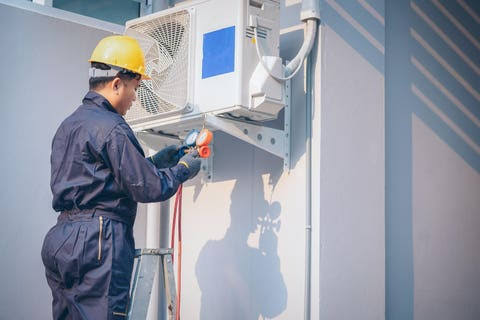
Experienced HVAC technicians can identify hidden issues that homeowners may not notice. Seasonal inspections often reveal problems before they become major repairs.
Monitor Thermostat Performance
A properly calibrated thermostat ensures the system operates only when necessary, helping reduce unnecessary energy consumption.
Indoor Air Quality Deserves More Attention
Comfort is about more than temperature. The quality of the air inside a home can significantly impact daily living.
Modern households spend a substantial amount of time indoors, making air quality an important consideration. Dust, allergens, pet dander, excess humidity, and other contaminants can circulate through HVAC systems if they are not properly maintained.
Improving indoor air quality often involves a combination of solutions:
- Regular filter replacement
- Duct inspections and cleaning when needed
- Humidity control systems
- Air purification technologies
- Proper ventilation practices
Homeowners who prioritize indoor air quality frequently notice improvements in comfort, cleanliness, and overall living conditions.
Understanding When Repairs Are Necessary
Not every HVAC issue requires a complete system replacement. In many cases, timely repairs can restore performance and extend equipment life.
Common warning signs include:
- Unusual noises during operation
- Weak airflow from vents
- Hot and cold spots throughout the home
- Frequent cycling on and off
- Rising energy costs
- Unpleasant odors from the system
Addressing these symptoms early often prevents larger mechanical failures. The key is recognizing that HVAC systems typically provide warning signs before experiencing complete breakdowns.
For homeowners looking to better understand professional maintenance, repair, and installation options, resources such asCowboys AC HVAC services can provide useful insight into the range of solutions available for residential comfort systems.
The Long-Term Value of Professional Maintenance Plans
Many homeowners view maintenance as an optional expense. In reality, routine service can function as a long-term investment.
Preventive maintenance programs typically focus on system inspections, cleaning, performance testing, and component evaluation. These visits help ensure equipment operates safely and efficiently throughout the year.
Some of the most significant long-term benefits include:
Reduced Emergency Repairs
Unexpected breakdowns often occur during periods of peak demand, such as extreme summer heat or winter cold. Preventive service helps reduce these risks.
Longer Equipment Lifespan
HVAC systems represent a major household investment. Regular care can help maximize the years of reliable operation.
Consistent Comfort
Maintained systems tend to deliver more consistent heating and cooling across all areas of the home.
Improved Budget Predictability
Preventive maintenance helps homeowners avoid many of the surprise expenses associated with neglected equipment.
Choosing the Right Approach to Home Comfort
Every home has unique heating and cooling needs. Factors such as square footage, insulation levels, local climate, occupancy patterns, and system age all influence HVAC performance.
Rather than waiting for equipment failure, homeowners benefit from developing a long-term comfort strategy. This includes routine maintenance, prompt repairs when necessary, and periodic evaluation of system efficiency.
The goal is not simply to keep equipment running. It is to create a home environment that remains comfortable, efficient, and reliable regardless of the season.
Conclusion
An HVAC system is one of the hardest-working systems in any home, yet it often receives attention only when problems arise. By focusing on preventive maintenance, energy efficiency, indoor air quality, and timely repairs, homeowners can reduce costs while improving overall comfort.
The most successful approach is proactive rather than reactive. Small maintenance efforts performed consistently can help prevent major disruptions, extend equipment lifespan, and ensure dependable performance for years to come. Whether a system is brand new or has been operating for many years, proper care remains one of the smartest investments a homeowner can make.
