

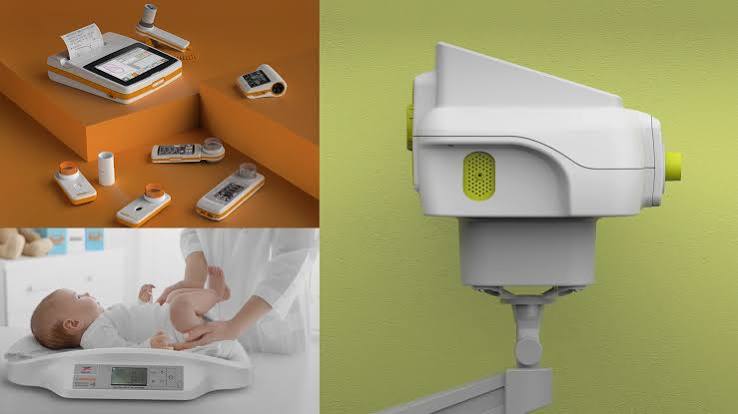
The medical business relies on accuracy, dependability, and speed. Whether it’s a diagnostic device, surgical instrument, or wearable healthcare product, each individual component has to comply with strict requirements. Manufacturers require a feasible approach to test designs, examine performance, and collect information prior to taking the step into full-scale production. That’s why vacuum casting service is the perfect alternative.
Vacuum casting is a economical method of making part quality prototypes and low volume production parts. It fills the gap between concept and mass manufacture enabling medical firms to mature their product without committing to costly tooling too early stage in development. So let’s take a closer look at why this process has become so valuable for medical part manufacturing.
What Is a Vacuum Casting Service?
A vacuum casting is a process of casting plastic parts using silicone molds under vacuum conditions. Casting under vacuum removes the air bubbles, so the end result is smooth, finely detailed and accurate parts.
This process usually involves a master model which is created by CNC machining or 3D printing. A silicone mold is then formed around the master, and liquid resin is poured into the mold in a vacuum chamber. The cured part is a close visual and functional match to the original design. It is a great way to get from a couple of parts to several dozen without the costs of injection molding.
Why Vacuum Casting is Used in the Medical Industry
Medical products, such as x-ray machines, air conditioners, or sterilizers may go through several design changes before they are approved for production. Engineers and designers require physical samples to test fit, function, and usability.
Under normal circumstances, using a vacuum casting service manufacturers can produce realistic prototypes with the look and feel of the end production part. These prototypes can be tested, demonstrated, and validated for design, while managing development expenses.
Rather than waiting weeks or months for production tooling, companies can have functional parts in days, enabling projects to move much faster.
Advantages of Vacuum Casting in Production of Medical Parts
Excellent Surface Quality
Medical devices tend to need clean, smooth finishes. Vacuum casting parts have good surface quality, they can be used to finish functional testing, customer presentation, clinical evaluation etc.
The finished parts usually need very little post-processing, which saves both time and labor.
Rapid Product Development
Time Is of the Essence in the Healthcare Industry. The ability to deliver new products to market faster can provide a competitive advantage whether bringing a new device to market, or enhancing an existing one.
Employing a vacuum casting service enables businesses to compare multiple designs swiftly without holding up the project. Shorter iteration cycles produce better products, and get them to market sooner.
Cost-Effective Small Batch Production
Making injection molds can be costly, especially in early stages of product development. Vacuum casting does not pose this problem and one can produce cost-effective silicone molds.
It makes low volume production a lot easier for startups, research organisations and organic medical equipment manufacturers whilst maintaining strength and very high quality.
Broad Selection of Material Chemistry
Today’s casting resins can be engineered to closely mimic many engineering plastics. Producers have the option of picking materials whose features include being flexible, transparent, shock absorbent or even heat resistant, based on the needs of the use case.
This makes it possible for engineers to test and analyze the performance of a finished product before creating production tooling.
Applications in Fabricating Medical Parts
Vacuum casting is for many medical applications. It is very well suited for the production of:
- Diagnostic Device Enclosures
- Handles of medical tools
- Device enclosures
- Components of wearable healthcare devices
- Parts for lab equipment
- Surgical planning models
- Medical custom prototypes
- Protective covers and shells
You can test these plastic components for function, feel and look prior to full-scale manufacture.
What is so Important about the Accuracy
Medical devices have very tight tolerances because even the smallest defects can impact how the device works or the safety of the patient.
A good vacuum casting company produces precise parts that are substantially true to the CAD designs. This level of accuracy allows engineers to see potential problems early on, resulting in fewer expensive changes later in the manufacturing process.
High quality prototypes allow better communication between the designers, engineers, manufacturers and the regulatory teams.
Enabling Innovation in Medical Devices
Health care is changing fast. They are building smarter diagnostic tools, portable monitoring devices and equipment that is easier for patients to use.
Product development is more about flexibility when it comes to innovation. Vacuum casting allows designers to try out new ideas without breaking the bank. Several design iterations can be rapidly manufactured and tested in the field, which is invaluable in refining products before the final production.
It is a strategy that minimizes risks of development and raises confidence before large production costs are Expended.
How to Choose the Right Vacuum Casting Provider
Quality Assurance and Control of Vacuum Casting Casting service providers are not created equal in the quality they supply. When choosing a vacuum casting company, make sure to select a partner who have applied their expertise in the medical field, who have dated advanced equipment, a high quality control system, and who understands the administration of precision manufacturing.
The ideal partner should also offer advice about materials, design for prototyping efficiency, and production scheduling. Quality communication during the entire process helps ensure that the finished product will be what you wanted.
Partnering with an established manufacturer can dramatically enhance product quality, reduce the product time to market and lead to faster development timelines.
Final Thoughts
The road from a medical product concept to a routine commercial production process involves lots of testing, refinement, and robust method development. A Vacuum Casting Service is an ideal way to develop accurate prototypes and small volume production parts without the heavy expenditure of traditional tooling.
For those manufacturing medical parts, vacuum casting provides the ideal combination of fast turnaround, precision, customization, and cost-effectiveness. Whether you’re designing a new medical device or improving an existing one, this manufacturing process allows you to transform your concepts into reality while minimizing cost and time to market. As the need for more sophisticated health care products increases, vacuum casting is still undoubtedly one of the most feasible means of producing high-quality medical components in a timely and cost-effective manner.
