

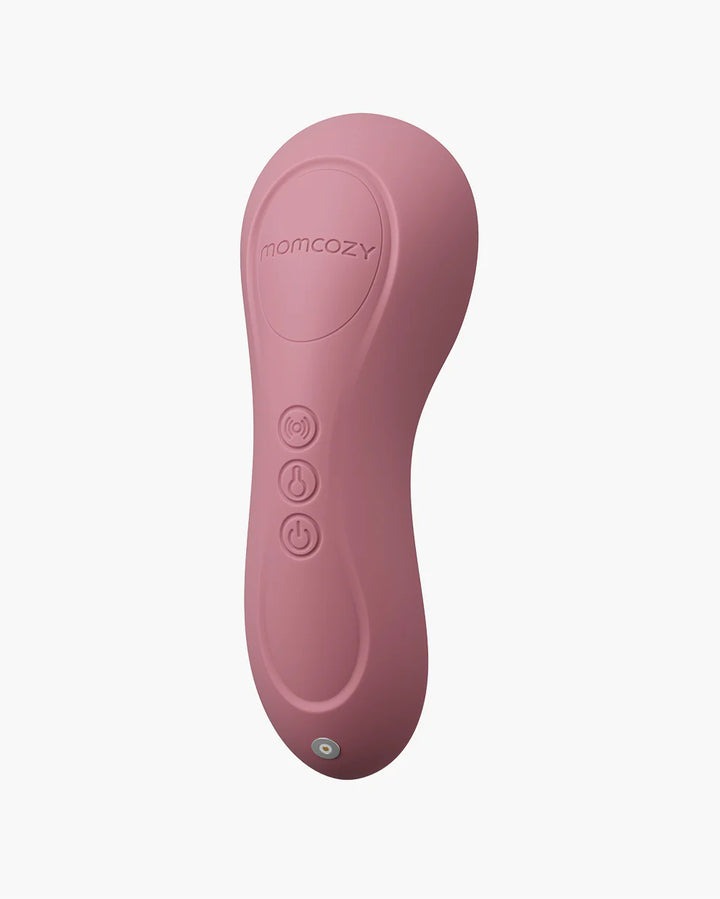
If you’ve ever woken up with a rock-hard, tender spot on your breast, you already know the particular misery of a clogged milk duct. For breastfeeding mothers, this discomfort is more than just an inconvenience; it can derail feeding sessions, reduce milk supply, and turn a bonding experience into a source of dread. Maintaining a steady, comfortable milk flow is one of the most common struggles new mothers face, yet it rarely gets the practical attention it deserves.
Enter the breast massager, a modern, targeted tool designed specifically to ease the challenges of breastfeeding. Whether you’re dealing with persistent blockages, a sluggish let-down reflex, or simply trying to maximize your pumping sessions, a lactation massager offers a hands-free, effective path to relief. This article walks you through everything you need to know: what causes clogged ducts, how a breast massager works to clear them, and a step-by-step guide for getting the best results. The goal is simple less pain, better milk flow, and a more confident breastfeeding journey for you and your baby.
Understanding Clogged Ducts and Milk Flow Challenges
A clogged milk duct occurs when milk becomes trapped in one of the small channels that carry it from the milk-producing glands to the nipple. The result is a firm, often painful lump beneath the skin, sometimes accompanied by localized redness, warmth, and swelling. In some cases, mothers also notice a reduced flow from the affected breast or a white blister on the nipple a sign that the blockage has reached the surface.
Beyond the physical discomfort, clogged ducts can seriously disrupt the breastfeeding experience. When milk isn’t draining properly, the body may interpret it as a signal to produce less, gradually chipping away at overall supply. Worse, an unresolved blockage can progress into mastitis, a painful breast infection that often requires antibiotics and, in severe cases, medical drainage. For new mothers already navigating sleep deprivation and the steep learning curve of infant care, this kind of setback can feel overwhelming.
The most common culprits behind clogged ducts include infrequent feeding, poor latch, tight clothing that compresses breast tissue, and sudden changes in nursing frequency. Stress and fatigue don’t help either. Understanding these triggers is the first step toward preventing recurring blockages and protecting your long-term breastfeeding success.
What is a Breast Massager and How It Works for Relief
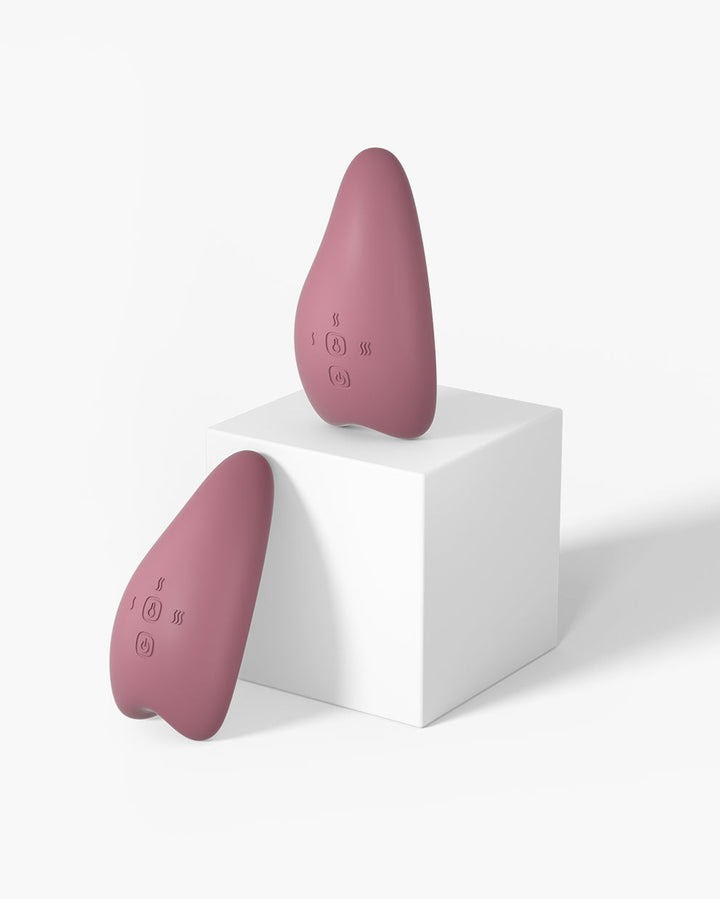
A breast massager is a handheld device designed to address the unique physical demands of breastfeeding. Most models fall into two categories: electric lactation massagers, which use battery-powered vibrations to penetrate deep into breast tissue, and manual silicone massagers, which rely on hand pressure to knead and loosen blockages. Brands like Momcozy have developed electric lactation massagers specifically shaped to contour naturally against breast tissue, making them easier to position over targeted areas during both pumping and nursing. Electric versions are generally more effective for stubborn clogged ducts, while manual options offer greater control and are easy to use during a feeding session.
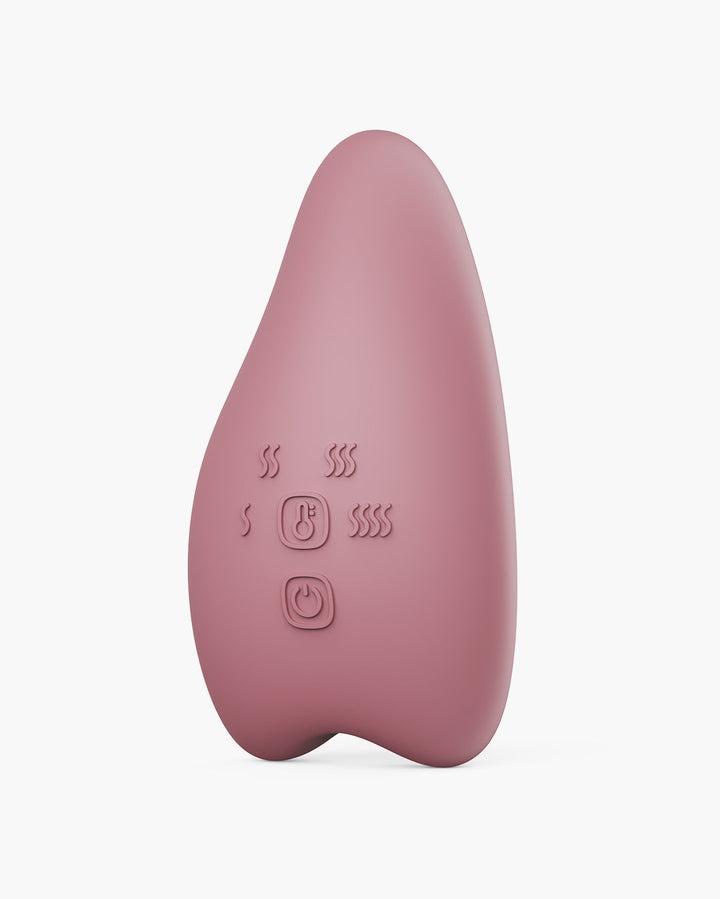
The core mechanism behind a lactation massager is relatively straightforward. When applied to a blocked area, gentle vibrations or rhythmic pressure work to break up the compacted milk that’s causing the obstruction. This loosens the plug and encourages milk to move freely again through the duct toward the nipple. For mothers who struggle with a delayed or sluggish let-down reflex the involuntary release of milk triggered by nursing or pumping the light stimulation from a massager can activate the reflex more quickly, making feeding and pumping sessions noticeably more productive.
Milk flow enhancement goes beyond just clearing blockages. Regular massage stimulates the surrounding glandular tissue, signaling the body to maintain and even increase production. When used in combination with pumping, a breast massager can significantly boost the volume of milk expressed in a single session. Many mothers report emptying the breast more completely, which in turn reduces the risk of future blockages forming. In short, a lactation massager works on two levels simultaneously providing immediate breastfeeding relief while supporting healthier, more consistent milk production over time.
Step-by-Step Guide to Using a Breast Massager for Enhanced Milk Flow
Preparing for an Effective Massage Session
Before you begin, apply a warm compress or take a warm shower for five to ten minutes heat relaxes the breast tissue and helps soften any hardened areas, making the massage significantly more effective. If your skin feels dry or sensitive, a small amount of nipple-safe oil or lotion reduces friction and keeps the experience comfortable. Find a quiet, low-stress environment where you can sit upright or lean slightly forward, which naturally encourages milk to move toward the nipple. Wash your hands and ensure your massager is clean before each use.
Techniques to Target Clogged Ducts and Boost Milk Flow
Position the massager directly over the firm or tender spot and begin with the lowest vibration setting, moving in slow, small circles. Gradually work from the outer edge of the blockage inward toward the nipple this directional pressure guides loosened milk through the duct rather than pushing it further into the tissue. Maintain firm but gentle contact; pressing too hard can increase inflammation. For manual massagers, use the heel of your hand in a similar sweeping stroke. Continue for two to three minutes per affected area, or until you feel the lump begin to soften.
Frequency and Best Practices for Long-Term Relief
Use the massager immediately before and during pumping or nursing sessions for the greatest impact the combination dramatically improves breast emptying and output. When actively dealing with a clogged duct, aim for massage two to three times daily until the blockage clears. For general milk flow maintenance, once per session is sufficient. Track your progress by checking whether the lump diminishes within 24 to 48 hours. If firmness persists beyond two days or you develop fever and flu-like symptoms, contact your healthcare provider promptly, as these may signal developing mastitis.
Benefits of Incorporating a Lactation Massager into Your Routine
Adding a lactation massager to your daily breastfeeding routine delivers benefits that go well beyond clearing the occasional blockage. The most immediate payoff is pain relief targeted vibration or manual pressure breaks up clogged ducts faster than passive heat or hand expression alone, often resolving tenderness within a day or two rather than letting it linger and worsen. For mothers who have experienced the exhausting cycle of recurring blockages, consistent massage interrupts that pattern before it takes hold.
Improved milk supply is another significant advantage. Because fuller breast emptying signals the body to maintain or increase production, regular use of a breast massager directly supports your long-term supply. Mothers who incorporate massage into pumping sessions frequently notice a meaningful increase in expressed volume sometimes enough to build a freezer stash that once felt out of reach. The stimulation also shortens the time it takes for the let-down reflex to activate, making each feeding or pumping session more efficient and less frustrating.
Perhaps most underrated is the impact on overall breastfeeding comfort and confidence. Chronic discomfort is one of the most common reasons mothers choose to stop breastfeeding earlier than intended. By managing pain proactively and keeping milk flowing consistently, a lactation massager removes one of the biggest obstacles between you and a successful, longer breastfeeding journey. That sense of control matters more than most product descriptions let on.
Additional Tips for Comprehensive Breastfeeding Relief
A breast massager works best as part of a broader approach to breastfeeding health rather than as a standalone fix. Staying consistently hydrated is one of the simplest things you can do milk is largely water, and even mild dehydration can reduce supply and thicken milk, making blockages more likely. Aim for at least eight glasses of water daily, and keep a bottle nearby during every feeding or pumping session.
Latch quality also plays a bigger role in duct health than many mothers realize. A shallow or asymmetric latch prevents the breast from draining evenly, leaving pockets of milk that can solidify into blockages over time. If latching difficulties persist, a certified lactation consultant can identify positioning issues that self-troubleshooting often misses. Varying feeding positions such as alternating between cradle hold and football hold helps drain different areas of the breast more thoroughly. When massage, hydration, proper latch, and positional variety work together, your risk of recurring blockages drops significantly, and your overall breastfeeding experience becomes far more manageable.
Your Path to Comfortable and Confident Breastfeeding
Clogged ducts don’t have to be an inevitable part of the breastfeeding journey. As this article has outlined, understanding what causes blockages from infrequent feeding to poor latch and compressed breast tissue puts you in a far better position to prevent them. When they do occur, a breast massager offers a targeted, practical solution that passive remedies simply can’t match. From breaking up stubborn blockages and triggering a faster let-down reflex to supporting consistent milk production over time, a lactation massager addresses the root of the problem rather than just masking the discomfort.
The step-by-step approach covered here warming the tissue, applying directional pressure toward the nipple, and combining massage with feeding or pumping gives you a repeatable routine that delivers real results. Pair that with proper hydration, a good latch, and varied feeding positions, and you’ve built a strong foundation for long-term breastfeeding success.
Most importantly, taking proactive steps to manage your comfort is an act of self-care that benefits both you and your baby. A more comfortable, confident breastfeeding experience is within reach and a lactation massager is one of the most effective tools to help you get there.
