

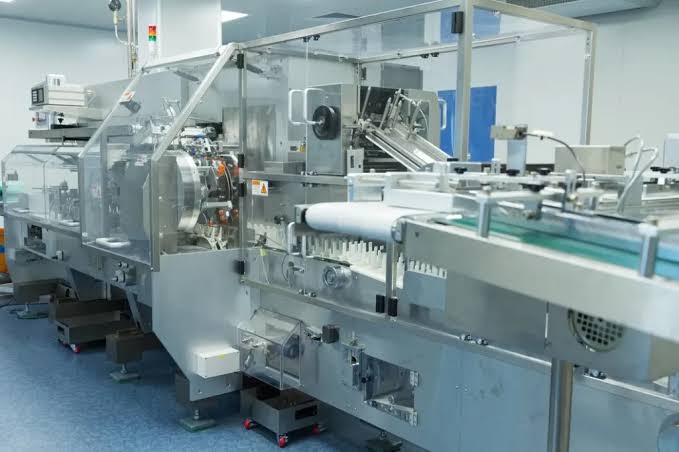
In today’s competitive retail environment, packaging does far more than just hold a product together. It protects, informs, and sells. Among the many packaging solutions available, blister packaging has become one of the most trusted methods across industries like pharmaceuticals, electronics, cosmetics, and consumer goods. At the heart of this process is the blister card packaging machine, a piece of equipment that has quietly transformed how products reach store shelves and, ultimately, customers’ hands.
What Makes Blister Card Packaging So Popular?
Blister packaging involves sealing a product between a formed plastic cavity and a printed paperboard card. This combination offers a few clear advantages. First, it gives the product excellent visibility, since the plastic blister is usually transparent. Shoppers can see exactly what they’re buying without opening the pack. Second, it provides strong physical protection against moisture, dust, and tampering, which matters a great deal for items like medicine blister packs, small tools, batteries, and cosmetic accessories.
Beyond protection, blister cards also serve as a marketing tool. The printed card can carry branding, instructions, barcodes, and promotional messaging, all while keeping the product secure. This dual purpose of protection and presentation is exactly why manufacturers continue to invest in reliable packaging equipment.
The Role of the Machine in the Process
Manually assembling blister packs would be slow, inconsistent, and costly at any real production scale. This is where automated equipment comes in. A well-designed machine handles the entire sequence: heating and forming the plastic blister, positioning the product accurately, sealing the blister to the card, and often trimming the final piece to a clean, uniform shape.
Speed and consistency are the biggest benefits here. A single machine can produce hundreds or even thousands of finished packs per hour, something no manual team could match. Just as important, automation reduces human error. Every unit comes out with the same seal strength, the same alignment, and the same visual quality, which builds trust with both retailers and end consumers.
Flexibility Across Industries
One reason this type of equipment has spread so widely is its adaptability. Different industries need different blister sizes, shapes, and materials. Pharmaceutical companies often require small, precise cavities for tablets or capsules. Electronics brands may need larger blisters to house cables, adapters, or small gadgets. Cosmetics and personal care brands often prioritize how the packaging looks on a shelf, since visual appeal drives purchase decisions.
Modern machines are typically designed to accommodate these varying needs through adjustable molds, tooling changes, and programmable settings. This flexibility allows a single production line to serve multiple product lines without requiring an entirely new setup each time.
Choosing the Right Equipment
For businesses considering an investment in this technology, a few factors matter most: production speed requirements, the range of product sizes to be packaged, ease of maintenance, and the availability of technical support. Since packaging lines often run for long hours, durability and consistent after-sales service can be just as important as the initial machine specifications.
Final Thoughts
As consumer expectations around product safety and presentation continue to rise, the demand for dependable blister packaging solutions is unlikely to slow down. Businesses that invest in the right equipment position themselves to deliver consistent quality while keeping production costs under control, a combination that ultimately benefits both the manufacturer and the customer.
