

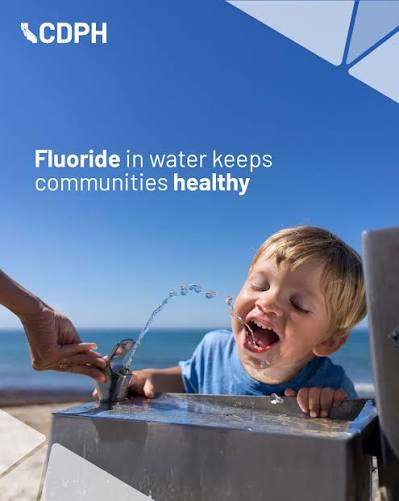
Tooth decay is one of the most common childhood health issues in the United States—yet it’s largely preventable. If you’ve ever wondered whether the fluoride in your tap water actually helps your child’s teeth, you’re not alone. Community water fluoridation has been a trusted public health measure for decades, and understanding how it works can help you make informed choices. Here’s what parents need to know about water fluoridation and kids’ teeth.
What Is Community Water Fluoridation?
Fluoride is a naturally occurring mineral found in soil, rocks, and water sources. Most water supplies already contain some fluoride, but not always at the level needed to protect teeth. Community water fluoridation is the process of adjusting fluoride to an optimal concentration—currently recommended at 0.7 milligrams per liter by the U.S. Department of Health and Human Services.
This adjustment is carefully monitored by local water authorities and health agencies to ensure it stays within safe ranges. The goal is simple: strengthen developing and existing teeth across an entire community, safely and consistently.
How Does Fluoride Protect Children’s Teeth?
Fluoride works by reinforcing tooth enamel—the outer layer that protects teeth from decay. Every day, acids from food and bacteria wear down enamel in a process called demineralization. Fluoride helps reverse this by supporting remineralization, essentially helping teeth repair themselves before a cavity forms.
Baby teeth matter more than many parents realize. They hold space for permanent teeth and play a key role in eating, speaking, and confidence. Fluoride protects both primary and developing permanent teeth, giving kids a stronger foundation from an early age.
Benefits of Water Fluoridation for Kids
The advantages go beyond just fewer cavities—though that alone is significant:
- Fewer cavities: Fluoridated water reduces the risk of tooth decay in children and adults alike.
- All-day protection: Every glass of water provides ongoing defense, even between meals and brushing.
- Equal access: Unlike dental treatments or supplements, tap water reaches all families regardless of income.
- Lower dental costs: Fewer cavities mean fewer fillings, less discomfort, and reduced dental bills over time.
Think of it this way: a child who drinks fluoridated tap water throughout the school day is getting passive protection with every sip—no extra steps required.
Is Fluoridated Tap Water Safe for Children?
This is the question most parents ask first, and the answer is well-supported. Decades of scientific research, along with endorsements from the American Academy of Pediatrics, the American Dental Association, and the World Health Organization, confirm that community water fluoridation at recommended levels is safe for infants and children.
Fluoride levels in public water supplies are regulated and routinely tested. Drinking fluoridated water at the recommended concentration does not pose a risk to children’s health. If your local water supply does not contain fluoride, speak with your pediatric dentist about whether supplements are appropriate for your child.
Common Myths vs. Facts About Fluoride
Myth: Fluoride is harmful to children.
Fact: At recommended levels, fluoride has a strong safety record supported by decades of public health data and global health authorities.
Myth: Toothpaste provides enough fluoride on its own.
Fact: Fluoride toothpaste is important, but water provides continuous, low-level protection throughout the day—especially during hours when brushing isn’t possible.
Myth: Bottled water contains fluoride.
Fact: Most bottled water brands contain little to no fluoride unless the label specifically states otherwise. Children who drink mostly bottled water may miss out on the benefits of fluoridation.
What Parents Should Know About Their Local Water Supply
Not all communities fluoridate their water. Here’s how to stay informed and proactive:
- Check with your local water utility to confirm whether your supply is fluoridated.
- Ask your pediatric dentist whether fluoride supplements are needed based on your water source.
- Brush teeth twice daily with fluoride toothpaste.
- Schedule routine dental checkups every six months.
- Encourage healthy, low-sugar eating habits at home.
Additional Ways to Keep Kids’ Teeth Healthy
Water fluoridation works best as part of a broader routine:
- Brush twice daily
- Floss once teeth begin to touch
- Limit sugary snacks and drinks
- Drink plenty of tap water
- Wear mouthguards during sports
- Start dental visits by age one
Give Your Child a Strong Start
Community water fluoridation remains one of the simplest and most effective tools for preventing cavities in children. It works quietly in the background—complementing good brushing habits, healthy nutrition, and regular dental care. Parents who understand how water fluoridation supports kids’ teeth are better equipped to protect their child’s smile for life. If you have questions about your child’s specific fluoride needs, a pediatric dentist can help you find the right approach based on your family’s water source and oral health history.
