

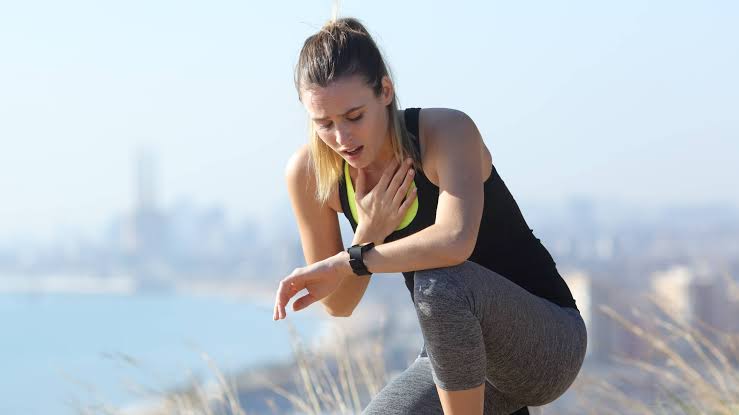
Fitness trackers have become tiny coaches that live on our wrists. They count steps, estimate calories, record workouts, track sleep, and remind us to stand when we have been sitting too long.
For some people, these tools provide the gentle push they need. A person who usually spends the day at a desk may notice they have only taken 2,000 steps and decide to walk around the block. Someone training for a race may use heart rate data to manage effort. Another person may finally notice that late-night screen time is hurting their sleep.
But fitness data does not feel encouraging to everyone.
A missed goal can create guilt. A broken workout streak can feel like failure. Even a low sleep score can start the morning with a sense that the day has already gone wrong.
The tracker itself is not good or bad. The real issue is how a person responds to the numbers. Health data works best when it provides useful clues, not when it becomes a daily judgment of your discipline, worth, or self-control.
Why Numbers Can Be So Motivating
Progress becomes easier to see
Many health changes happen slowly. You may walk more, sleep better, or exercise more often without noticing a dramatic difference from one day to the next.
A tracker makes gradual progress visible.
You can look back and see that your average daily steps increased from 4,000 to 6,500. You can notice that you completed three workouts each week for a month. You may also find that your resting heart rate changes as your fitness improves.
That feedback feels rewarding because it turns an unclear goal into something concrete. Instead of saying, “I should move more,” you have a number that shows what “more” looks like.
Devices such as Fitbit, Garmin watches, Apple Watches, Oura Rings, and other wearable tools also use visual charts, badges, rings, and streaks. These features turn routine actions into small achievements. Closing a movement ring or reaching a step target gives the brain a quick sense of completion.
It is a little like crossing an item off a to-do list. The task may be simple, but the check mark still feels good.
Reminders can interrupt unhealthy routines
Many people do not choose to sit for six hours. It just happens.
A work meeting leads into an email task. That task leads into another. Then you look outside and realize the sun has started to set.
Movement reminders can break that pattern. A vibration on your wrist may encourage you to stand, stretch, refill your water, or walk for a few minutes. The reminder does not need to produce a full workout. It simply interrupts long periods of inactivity.
Fitness trackers can also help people notice links between daily habits. You may learn that you sleep better after an afternoon walk. You may see that alcohol, stress, or late meals affect your overnight data. These patterns can guide better choices without requiring guesswork.
When Motivation Starts Turning Into Pressure
Goals can feel like rules
A step target may begin as a friendly challenge. Then it slowly becomes a rule that you feel unable to break.
You planned to rest, but your watch says you are 1,800 steps short. So you pace around the kitchen before bed. You feel tired or unwell, but you complete a workout because you do not want to lose your streak.
That is where useful structure can become rigid.
The body does not follow a perfect daily schedule. Energy changes. Illness happens. Work becomes busy. Children need attention. Some days require movement, while others require rest.
A tracker cannot fully understand that context. It sees that you missed a target. It does not see that you cared for a sick family member, worked a double shift, or needed a quiet day after a stressful week.
People who already struggle with anxiety, compulsive habits, substance use, or harsh self-judgment can feel this pressure more strongly. In some cases, wider support such as a dual diagnosis treatment program helps address connected mental health and substance-related concerns rather than treating one issue in isolation.
The key question is simple: Does the data help you make a reasonable choice, or does it make the choice for you?
Calorie estimates can create false confidence
Calorie tracking looks precise, but the number on a watch is still an estimate.
Wearable devices use information such as age, weight, heart rate, movement, and workout type to estimate energy use. They do not directly measure every calorie your body burns. Two people can complete the same workout and use different amounts of energy.
Problems begin when users treat an estimate as an exact allowance.
A person may think, “My watch says I burned 600 calories, so I earned this meal.” Someone else may cut food intake because the device says they did not move enough. This can create an unhealthy cycle where eating becomes something that must be earned through exercise.
Food supports movement, focus, recovery, hormones, immunity, and everyday life. It is not simply a prize for reaching a target.
Calorie data can provide broad context, but it should not control every meal.
Sleep Scores Can Help, but They Can Also Ruin Your Morning
Awareness is useful until it becomes worry
Sleep tracking can reveal helpful patterns. You may notice that you sleep longer when you keep a steady bedtime. You may learn that caffeine late in the day keeps your heart rate higher overnight. You may also see that stressful weeks come with more restless sleep.
That information can encourage better habits.
Yet sleep scores create a strange problem. Sometimes people feel fine until they check the app.
You wake up feeling rested. Then your tracker gives you a score of 62. Suddenly, you start looking for signs of tiredness. You expect poor focus. You assume your workout will be weak.
The number changes how you experience the day.
This reaction has become common enough that sleep experts sometimes discuss anxiety linked to perfecting sleep data. A person can become so focused on achieving an ideal score that bedtime itself becomes stressful. And stress rarely helps anyone fall asleep.
Your device also cannot capture every detail. A loose strap, unusual sleeping position, software error, or time spent quietly awake can affect the reading. The data tells part of the story, not the whole story.
Young users can feel judged by the screen
Teenagers often experience strong social and academic pressure before health apps enter the picture. Adding daily body, sleep, calorie, and activity scores can create one more area where they feel measured.
A teen may compare step counts with friends or feel embarrassed about missing workout goals. Others may become overly focused on calories, weight, or body changes. What starts as a fitness interest can feed anxiety or unhealthy eating patterns.
Parents should stay curious rather than immediately taking the device away. Ask how the tracker makes the teen feel. Does it support sports training and healthy routines? Or does it cause panic, secrecy, guilt, or constant checking?
When emotional distress, disordered eating, self-harm concerns, or serious anxiety appears, families may need professional support. Resources offering teen mental health treatment in Massachusetts can help young people and their families address deeper concerns that an activity app cannot solve.
The device is rarely the whole problem. It often exposes pressure that was already building.
Workout Streaks Are Helpful Until Rest Feels Like Failure
Consistency does not mean perfection
Workout streaks can support routine. When people repeat an action, the action starts to feel normal. You no longer spend twenty minutes debating whether to exercise. It becomes something you usually do.
Still, a streak has a weakness. It treats every day as equal.
It does not know when your muscles need recovery. It does not know when you have a fever, an injury, or poor sleep. It simply records whether you completed the activity.
This can lead to “streak protection,” where preserving the number matters more than the original health goal. A person who started exercising to feel stronger may end up exercising through pain because missing a day feels unbearable.
But rest is part of fitness. Muscles repair during recovery. Energy stores refill. The nervous system gets a break. A planned rest day does not erase progress.
Honestly, your body does not care whether an app displays a 90-day streak. It cares whether you give it enough movement, food, sleep, and recovery over time.
A wider view gives better information
Daily data often creates daily drama. Weekly and monthly trends provide a calmer picture.
Imagine that you usually complete four workouts per week. One week, you only complete two because work becomes hectic. Looking at that week alone can feel discouraging. Looking at the past three months may show that you have stayed active most of the time.
That is what consistency really looks like. It bends.
Instead of asking, “Did I hit every target today?” ask:
- Am I moving more than I did a few months ago?
- Do I feel stronger or more energetic?
- Am I sleeping and recovering well?
- Does exercise support my life rather than control it?
- Can I rest without feeling guilty?
These questions bring the focus back to health.
How to Use Fitness Data Without Letting It Control You
Treat numbers as clues, not grades
A low score is not a bad grade. It is information that you can consider alongside your mood, schedule, health, and energy.
If your sleep score is low but you feel rested, notice both pieces of information. If your tracker says you are recovered, but your legs feel sore, listen to your legs. Technology can collect signals, but you still have the final say.
You can also adjust targets to fit your life. The popular 10,000-step goal does not suit every person. Someone recovering from an injury may work toward 3,000 steps. A warehouse employee may pass 10,000 steps before lunch. A wheelchair user needs different movement measures altogether.
Personal goals should reflect your starting point and circumstances.
It also helps to turn off alerts that create pressure. You do not need every reminder, achievement message, or low-score warning. Keep the features that help. Disable the ones that make you anxious.
Notice when tracking has become compulsive
Pay attention to your behavior around the device.
Do you check the app dozens of times each day? Do you feel intense guilt when you miss a target? Do you exercise while sick or injured? Do you change meals based only on estimated calories? Does a low score affect your mood for hours?
Those signs suggest that the tracker is no longer serving its original purpose.
Taking a break can help. Try removing the device for a day, a weekend, or during certain workouts. You can still walk, stretch, cycle, or lift weights without recording every movement.
For people managing addiction recovery, anxiety, depression, or compulsive behavior, tracking habits can connect with wider emotional patterns. Support such as outpatient addiction treatment in New Jersey can provide structure while allowing people to continue work, family duties, and other parts of daily life.
Seeking help does not mean a fitness tracker caused the issue. It means the data may have become part of a larger pattern that deserves care.
The Best Tracker Is One You Can Ignore Sometimes
Fitness trackers can encourage movement, reveal patterns, and make progress easier to see. They can also create guilt, obsession, and a false sense that every part of health must fit inside a score.
The difference often comes down to flexibility.
Use the numbers when they answer a useful question. Look for trends rather than perfect days. Change targets when your life changes. Rest when your body asks for rest. And remember that no watch can measure every part of wellbeing.
It cannot measure the relief of laughing with a friend. It cannot record how peaceful a slow morning feels. It cannot fully understand stress, grief, confidence, or joy.
A tracker should work like a map. It can show where you have been and suggest a direction. But you are still the person making the journey.
