

Depression affects millions of Americans every year, but not everyone responds to traditional antidepressant medications. For many people, trying multiple medications without meaningful improvement can be frustrating and emotionally exhausting. This condition is known as treatment-resistant depression (TRD), and fortunately, newer treatment options are helping patients regain hope.
Two of the most effective FDA-approved treatments for treatment-resistant depression are Transcranial Magnetic Stimulation (TMS) and SPRAVATO® (esketamine). While both therapies are designed for people who haven’t found relief with standard antidepressants, they work in very different ways.
If you’re wondering which treatment may be the right fit, understanding the differences between them is the first step.
What Is Treatment-Resistant Depression?
Treatment-resistant depression generally refers to major depressive disorder that has not improved after trying at least two antidepressant medications at appropriate doses and durations.
People living with TRD often continue to experience symptoms such as:
- Persistent sadness or hopelessness
- Low energy and motivation
- Difficulty concentrating
- Changes in sleep and appetite
- Loss of interest in daily activities
- Thoughts of self-harm or suicide (in severe cases)
When conventional treatments fail, psychiatrists may recommend advanced therapies like TMS or SPRAVATO.
What Is TMS Therapy?
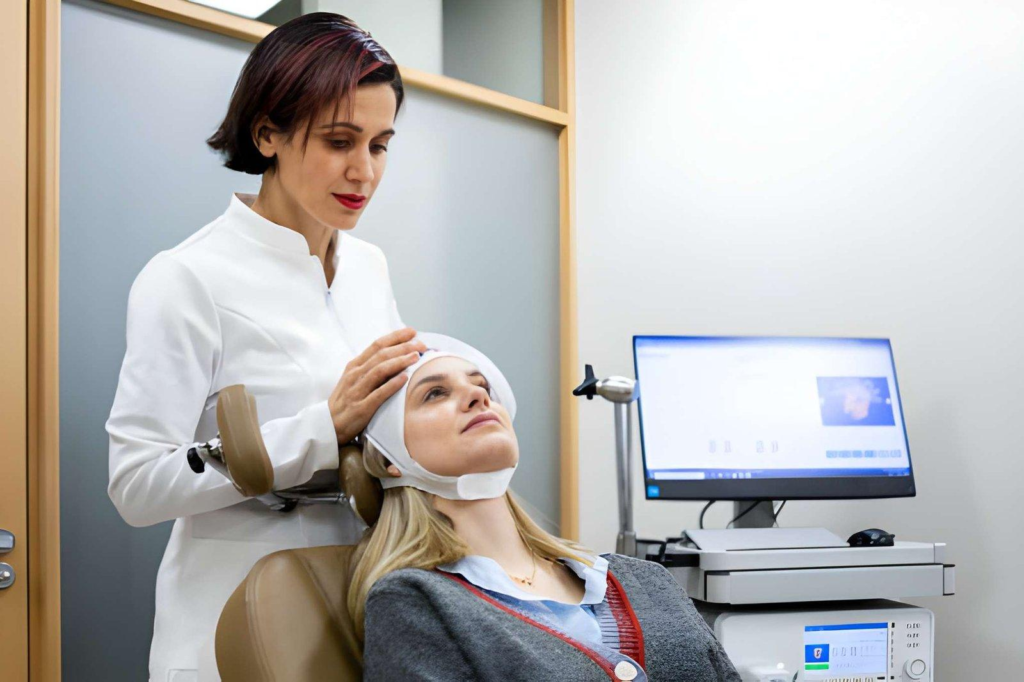
Transcranial Magnetic Stimulation (TMS) is a non-invasive treatment that uses targeted magnetic pulses to stimulate areas of the brain involved in mood regulation.
Unlike medications, TMS directly targets brain activity without circulating through the bloodstream, making it an appealing option for patients who struggle with medication side effects.
Patients interested in learning more about TMS therapy for depression can explore how this evidence-based treatment works and who may benefit from it through Family Care Psychiatry’s detailed guide on TMS therapy.
TMS treatment typically:
- Requires no anesthesia
- Is performed in an outpatient setting
- Allows patients to return to normal activities immediately afterward
- Is completed over several weeks through scheduled sessions
What Is SPRAVATO?
SPRAVATO® is the brand name for esketamine, an FDA-approved nasal spray used alongside an oral antidepressant for adults with treatment-resistant depression.
Unlike traditional antidepressants that primarily affect serotonin levels, esketamine works on glutamate pathways in the brain, helping restore communication between nerve cells.
Patients considering SPRAVATO treatment can better understand eligibility, benefits, and the treatment process by reviewing Family Care Psychiatry’s comprehensive guide to Spravato treatment.
Because SPRAVATO can temporarily affect alertness and blood pressure, patients receive the medication under medical supervision and remain in the clinic for observation after each treatment.
TMS vs. SPRAVATO: Key Differences
Although both treatments target treatment-resistant depression, they differ in several important ways.
Treatment Method
TMS uses magnetic pulses delivered through a specialized device placed against the scalp.
SPRAVATO is administered as a prescription nasal spray under clinical supervision.
How They Work
TMS stimulates specific brain regions associated with mood regulation.
SPRAVATO works through glutamate receptors, promoting rapid changes in brain connectivity that may improve depressive symptoms.
Treatment Schedule
A typical TMS course involves multiple sessions each week over several weeks.
SPRAVATO generally begins with twice-weekly visits before transitioning to maintenance treatments based on the patient’s progress.
Side Effects
Most TMS patients experience only mild scalp discomfort or headaches that usually improve over time.
SPRAVATO may cause temporary dizziness, nausea, dissociation, increased blood pressure, or drowsiness shortly after administration, which is why post-treatment monitoring is required.
Which Treatment Works Faster?
Every patient’s response is different.
Some individuals receiving SPRAVATO notice improvements within days or weeks, particularly those experiencing severe depressive symptoms.
TMS generally produces gradual improvement over several weeks as treatment progresses.
Response speed depends on several factors, including:
- Medical history
- Severity of depression
- Previous medication response
- Overall treatment plan
A psychiatrist can determine which approach best matches an individual’s clinical needs.
Who May Be a Better Candidate for TMS?
TMS may be an excellent option for people who:
- Have not responded to antidepressants
- Prefer a non-medication treatment
- Want to avoid systemic medication side effects
- Can attend regular outpatient appointments
Because TMS is non-invasive and does not require sedation, many patients continue working and maintaining their normal routines throughout treatment.
Who May Benefit More From SPRAVATO?
SPRAVATO may be appropriate for adults who:
- Have treatment-resistant depression
- Need an alternative after multiple unsuccessful medications
- Can attend supervised treatment sessions
- Are following a treatment plan that includes an oral antidepressant
A comprehensive psychiatric evaluation helps determine whether SPRAVATO is an appropriate option based on a patient’s medical history and current symptoms.
Can TMS and SPRAVATO Be Combined?
In some situations, psychiatrists may recommend combining different evidence-based therapies as part of a personalized treatment plan. Whether that includes TMS, SPRAVATO, psychotherapy, medication management, or lifestyle interventions depends on each individual’s diagnosis, treatment history, and overall health.
Treatment decisions should always be made under the guidance of a qualified mental health professional.
Choosing the Right Treatment
There is no universal answer to whether TMS or SPRAVATO is better. The most effective treatment depends on factors such as:
- Previous antidepressant response
- Symptom severity
- Medical conditions
- Lifestyle
- Personal treatment preferences
- Insurance coverage
Working with an experienced psychiatric provider ensures that these factors are carefully evaluated before beginning advanced depression treatment.
Final Thoughts
Living with treatment-resistant depression can feel overwhelming, but effective options exist beyond traditional antidepressants. Both TMS and SPRAVATO have helped many patients achieve meaningful improvement when other treatments have not worked.
The right choice depends on your individual medical history, symptoms, and treatment goals. Consulting an experienced psychiatric provider can help determine which approach offers the best opportunity for long-term recovery and improved quality of life.
