

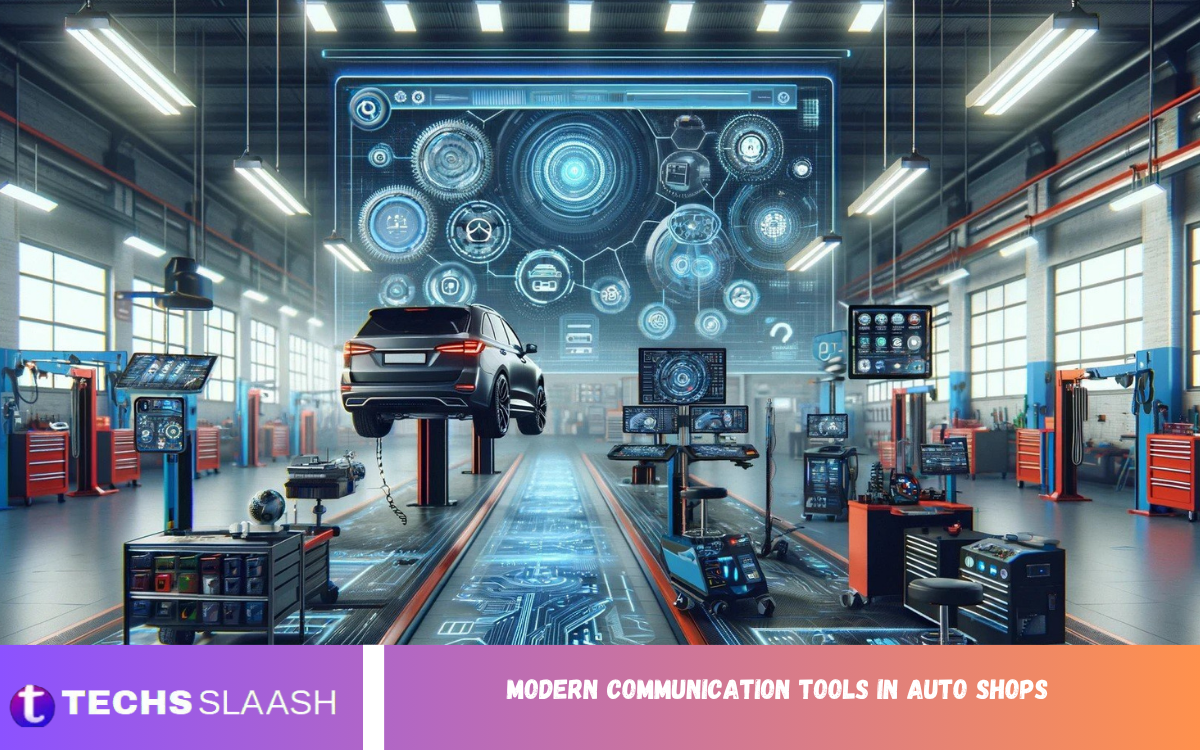
Modern Communication Tools in Auto Shops have transformed the way automotive businesses manage customers, technicians, service advisors, and daily operations. Communication is no longer limited to phone calls, handwritten notes, or face-to-face conversations. Today, auto shops can use digital platforms to share information quickly, coordinate repairs, and keep customers informed throughout the service process.
Effective communication helps an auto shop operate with greater accuracy and professionalism. From digital messaging and customer management systems to video inspections and automated notifications, modern technology reduces misunderstandings and saves valuable time. When communication becomes faster and more organized, technicians can focus on repairs while customers receive clearer information about their vehicles.
Digital Messaging for Faster Communication
Digital messaging has become one of the most practical communication solutions for modern auto shops. Service advisors can communicate with customers via text messages or approved messaging platforms rather than relying solely on traditional phone calls. This allows customers to receive repair updates while working, traveling, or handling other responsibilities.
Messaging also creates a convenient record of important conversations. Customers can review estimates, appointment details, repair recommendations, and approval requests without trying to remember information from a phone call. For busy auto shops, this improves communication speed while giving customers a more convenient service experience.
Customer Communication Management
Customer communication management systems help auto shops organize conversations and customer information in one place. Instead of keeping details across notebooks, emails, and separate applications, service teams can manage customer interactions through a centralized digital system. This reduces the possibility of missing important requests or updates.
These systems can also help staff understand the history of customer communication. Service advisors may quickly review previous conversations, vehicle concerns, service appointments, and repair approvals. Better organization allows employees to respond more professionally and gives customers greater confidence in the shop.
Digital Vehicle Inspection Reports
Digital vehicle inspection reports are another important part of Modern Communication Tools in Auto Shops. Technicians can document vehicle conditions electronically and share findings with service advisors. Photos, videos, notes, and inspection results can provide customers with clearer information about recommended repairs.
Visual evidence can make complicated automotive problems easier to understand. Instead of explaining every issue only through technical language, a technician can provide a photograph or short video showing the condition of a component. This transparency can help customers make informed decisions about necessary maintenance.
Video Communication With Customers
Video has become an increasingly useful communication method for automotive service businesses. Technicians can record short videos explaining problems found during an inspection or demonstrating areas that may require attention. These videos can then be reviewed by customers before approving additional work.
Video communication also creates a stronger sense of transparency. Customers may feel more comfortable approving repairs when they can see the issue for themselves. For auto shops, this approach can reduce confusion, strengthen trust, and make technical explanations easier for people without automotive experience.
Automated Appointment Reminders
Appointment scheduling is another area where communication technology provides significant benefits. Automated reminders can notify customers about upcoming service appointments through text messages, email, or other digital channels. These reminders reduce forgotten appointments and help customers prepare for their scheduled visits.
Automated communication can also provide useful appointment information, such as service times, vehicle details, preparation instructions, or cancellation policies. Employees do not have to manually contact every customer, allowing staff to spend more time on important service and repair responsibilities.
Communication Between Technicians and Service Advisors
Strong internal communication is essential for an efficient auto shop. Technicians and service advisors need to exchange accurate information about vehicle concerns, diagnostic findings, repair requirements, and customer expectations. Digital communication tools can make this exchange faster and easier to track.
Instead of walking across the shop or relying on handwritten notes, technicians can enter findings directly into digital systems. Service advisors can review the information and communicate appropriate updates to customers. This creates a smoother workflow and reduces the risk of important details being misunderstood.
Cloud-Based Auto Shop Communication
Cloud technology allows employees to access important information from connected devices without depending on a single office computer. Customer records, inspection results, service information, schedules, and communication histories can be stored in centralized systems and accessed by authorized staff.
Cloud-based communication is particularly valuable when several employees need to work with the same information. Updates can be shared more efficiently, reducing duplicate data entry. With appropriate security controls, cloud systems can help auto shops maintain organized communication while supporting flexible operations.
Internal Team Communication Platforms
Modern auto shops can also benefit from internal communication platforms designed for employee collaboration. These tools allow managers, service advisors, technicians, and other employees to share messages, tasks, announcements, and updates in an organized environment.
A dedicated communication platform can prevent important information from getting lost among unrelated conversations. Teams can create specific channels or discussions for appointments, repair jobs, inventory matters, urgent issues, and management announcements. This structure can improve accountability and reduce workplace confusion.
Customer Portals and Online Updates
Customer portals give vehicle owners access to important service information through digital devices. Depending on the system, customers may be able to view appointments, estimates, inspection reports, repair recommendations, invoices, and service histories without having to repeatedly contact the shop.
This self-service approach improves convenience for both customers and employees. Customers can find information when they need it, while service advisors receive fewer routine questions. A well-designed customer portal can also make an auto shop appear more professional and technologically advanced.
Communication Through Email
Email remains a valuable communication channel for auto shops, particularly when detailed information needs to be shared. Estimates, invoices, service records, maintenance recommendations, and other documents can be delivered electronically instead of being printed.
Email is especially useful for customers who prefer formal written communication. It also provides a searchable record of important information. However, auto shops should avoid relying on email alone because urgent updates may require faster communication through messaging or direct contact.
Digital Scheduling and Workflow Tools
Digital scheduling tools help service departments coordinate appointments, technicians, vehicle drop-offs, and estimated completion times. Employees can see schedules more clearly and make adjustments when unexpected repairs or delays occur.
Better scheduling communication can also improve customer expectations. If a repair takes longer than originally estimated, staff can provide an update instead of leaving customers uncertain. Clear communication about timing can significantly improve the overall service experience.
Read Also: From CAD to XR: Immersive Engineering Collaboration
AI-Assisted Communication
Artificial intelligence is becoming another useful communication technology for automotive businesses. AI-assisted systems can help answer common customer questions, organize information, draft routine responses, and support appointment communication. These tools can reduce repetitive administrative work.
However, AI should support employees rather than replace human judgment in important automotive conversations. Technical diagnoses, safety concerns, complicated repairs, and sensitive customer situations still require qualified professionals. The most effective approach combines automation with knowledgeable human service.
Benefits of Modern Communication Tools
One major advantage of modern communication tools is improved efficiency. Employees can exchange information quickly, customers can receive updates without unnecessary delays, and managers can monitor workflows more effectively. Faster communication can help reduce downtime and improve productivity.
Another major benefit is customer trust. Customers generally appreciate knowing what is happening with their vehicles and why certain repairs are recommended. Clear digital communication can demonstrate transparency and professionalism, helping an auto shop develop stronger long-term customer relationships.
Improving Customer Trust Through Transparency
Trust is particularly important in the automotive industry because many customers cannot easily evaluate technical repairs themselves. Modern communication tools allow shops to explain recommendations using inspection reports, photographs, videos, written estimates, and timely updates.
When customers understand what technicians discovered and what work is being recommended, they can make better decisions. Transparent communication can also reduce disputes because customers receive clearer information before approving additional services or expenses.
Protecting Communication and Customer Information
Modern communication creates many advantages, but auto shops must also protect customer information. Vehicle records, contact details, payment information, repair histories, and digital conversations should be handled responsibly. Employees should only access information necessary for their responsibilities.
Shops should use strong passwords, secure systems, controlled user access, software updates, and appropriate employee training. Protecting communication systems is not only a technical responsibility but also an important part of maintaining customer confidence and business reputation.
Training Employees to Use Communication Tools
Technology is effective only when employees know how to use it correctly. Auto shops should provide practical training for service advisors, technicians, managers, and other staff members. Training should cover communication procedures, system features, customer privacy, and professional digital behavior.
Employees should also understand when technology is appropriate and when direct communication is better. A digital message may be perfect for an appointment reminder, while a complicated repair explanation may require a conversation. Good judgment ensures that technology improves communication rather than making it impersonal.
Choosing the Right Communication Technology
Every auto shop has different needs, so there is no single communication solution that works for every business. A small independent repair shop may need simple messaging and scheduling tools, while a larger service center may require integrated customer management and workflow systems.
Before choosing technology, shop owners should consider ease of use, cost, security, customer preferences, integration capabilities, and employee training requirements. The best system is one that employees can use consistently, and customers can understand easily.
Future of Communication in Auto Shops
The future of auto shop communication will likely become even more connected and automated. Digital inspections, intelligent scheduling, mobile communication, customer portals, and AI-assisted systems may continue to improve how repair businesses interact with customers and employees.
As automotive technology becomes more sophisticated, communication will remain an essential part of the customer experience. Shops that adopt useful technology while maintaining personal service can create efficient operations without losing the human connection that customers value.
Frequently Asked Questions
What Are Modern Communication Tools in Auto Shops?
Modern Communication Tools in Auto Shops include digital messaging, customer management systems, inspection software, video communication, automated reminders, email, scheduling platforms, customer portals, and internal collaboration tools.
Why Is Communication Important in an Auto Shop?
Communication helps technicians, service advisors, managers, and customers understand what is happening during the repair process. Clear communication reduces mistakes and prevents misunderstandings.
How Does Digital Messaging Help Auto Shops?
Digital messaging allows service advisors to send quick updates, appointment reminders, approval requests, and other information directly to customers.
What Is a Digital Vehicle Inspection?
A digital vehicle inspection is an electronic report that documents a vehicle’s condition. It can include technician notes, photographs, videos, and repair recommendations.
Can Video Improve Auto Shop Communication?
Yes, video can make technical problems easier for customers to understand. Technicians can show damaged components or explain recommended repairs using short recordings.
How Do Automated Reminders Help Auto Shops?
Automated reminders help reduce missed appointments and keep customers informed about scheduled services. They can be sent without requiring employees to contact every customer manually.
Are Customer Portals Useful for Auto Shops?
Customer portals can provide convenient access to appointments, estimates, inspection results, invoices, and service information.
How Can Auto Shops Protect Digital Communication?
Auto shops should use secure systems, strong passwords, access controls, software updates, employee training, and appropriate data-handling procedures.
Should Small Auto Shops Use Modern Communication Tools?
Small auto shops can benefit significantly from modern communication technology. They do not necessarily need complex systems; simple messaging, scheduling, digital inspections, and customer management tools can provide substantial improvements.
Will AI Replace Auto Shop Employees?
AI is more likely to support employees than completely replace them. It can handle repetitive communication tasks and help organize information, but professional automotive judgment remains essential.
Conclusion
Modern Communication Tools in Auto Shops are changing how automotive businesses manage daily operations and customer relationships. Digital messaging, inspection reports, video communication, scheduling systems, customer portals, cloud technology, and AI-assisted solutions can make communication faster, clearer, and more organized.
The most successful auto shops will use technology strategically while maintaining personal service and professional judgment.

1 Comment
Pingback: Buying Proxy Servers: A Guide to Security, Privacy & Performance - Techsslaash.com