

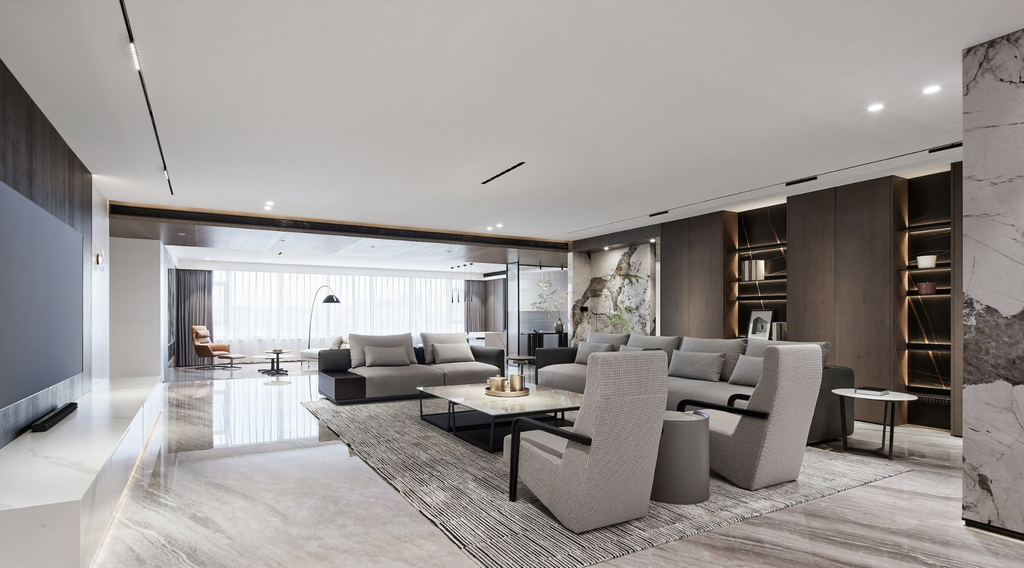
Home interior design continues to evolve as homeowners look for spaces that combine comfort, functionality, personality, and modern technology. In 2026, interior trends are moving beyond purely decorative choices and focusing more strongly on how people actually live in their homes.
From natural materials and multifunctional furniture to smart storage and personalized layouts, today’s interiors are designed to be both visually appealing and practical. Whether you are renovating a single room or planning a complete home makeover, understanding the latest trends can help you make better design decisions.
1. Warm Minimalism
Minimalist interiors remain popular in 2026, but the style is becoming warmer and more inviting. Instead of completely white rooms and extremely simple furniture, homeowners are incorporating natural textures, warm neutral colors, wood finishes, and soft lighting.
Warm beige, cream, light brown, and earthy tones can create a comfortable atmosphere while maintaining a clean appearance.
The goal is to reduce visual clutter without creating a space that feels cold or empty. Simple furniture combined with natural materials can provide an elegant balance between minimalism and comfort.
2. Natural Materials and Textures
Natural materials are playing an increasingly important role in modern interiors. Wood, stone, textured fabrics, glass, and natural-looking finishes can introduce depth and character into a room.
Homeowners are also becoming more interested in furniture that highlights material textures rather than relying on excessive decoration.
For example, wooden cabinetry can add warmth to a kitchen, while stone countertops can create a sophisticated focal point. Combining several natural textures can make a modern home feel more connected to nature.
3. Smart Storage Solutions
Storage is becoming a major priority in contemporary home design. Homeowners want interiors that look organized while providing enough space for clothing, kitchen equipment, books, electronics, and everyday belongings.
Built-in wardrobes, floor-to-ceiling cabinets, hidden storage, multifunctional furniture, and customized shelving can help maximize available space.
This trend is particularly valuable for apartments and smaller homes. Instead of adding more furniture, designers are finding ways to integrate storage directly into walls, bedrooms, kitchens, and living areas.
4. Multifunctional Furniture
Homes are increasingly expected to support several activities. A dining table may also function as a workspace, while a living room can serve as an entertainment area, office, and family space.
Multifunctional furniture helps homeowners adapt rooms without requiring additional floor space. Extendable tables, storage benches, modular sofas, foldable desks, and furniture with integrated storage are becoming practical choices.
When selecting multifunctional pieces, prioritize durability and ease of use. Furniture should be flexible without sacrificing comfort or appearance.
5. Statement Kitchens
The kitchen continues to be one of the most important spaces in the home. In 2026, kitchen design is increasingly focused on creating a space that feels like an extension of the home’s overall interior.
Large islands, sophisticated cabinetry, integrated appliances, concealed storage, and premium countertops can create a polished appearance.
Homeowners are also experimenting with contrasting materials. For example, natural wood cabinetry can be paired with stone surfaces and contemporary hardware to create visual depth.
6. Furniture With a Strong Sense of Character
Mass-produced furniture remains widely available, but many homeowners are looking for pieces that feel more distinctive and personalized.
Furniture with unusual shapes, textured finishes, natural wood details, and handcrafted-looking elements can add character to otherwise simple interiors.
For homeowners exploring furniture manufacturing hubs, Foshan furniture is an important category to consider. Foshan is widely associated with China’s furniture manufacturing industry and offers a broad range of furniture styles, materials, and production capabilities.
When sourcing furniture, buyers should evaluate quality, materials, customization options, manufacturing standards, delivery arrangements, and after-sales support rather than choosing based on appearance alone.
7. Biophilic Interior Design
Biophilic design focuses on creating stronger connections between indoor spaces and nature. Plants, natural light, wood finishes, organic textures, and views of outdoor areas can all contribute to this approach.
Indoor plants can provide color and freshness, while large windows can increase natural light. Natural materials can further reinforce the connection with the outdoors.
Biophilic design does not require a large house or extensive renovation. Even small additions such as indoor plants, natural wood furniture, and woven textures can make a difference.
8. Earthy and Nature-Inspired Colors
Color palettes are becoming warmer in 2026. Earthy tones such as terracotta, olive, sand, clay, warm gray, and muted brown can create a calm and sophisticated environment.
These colors work particularly well with natural wood and stone. Homeowners can use them on walls, cabinetry, furniture, textiles, or decorative accents.
Neutral colors remain useful as a foundation, while deeper earthy shades can be introduced through selected features.
9. More Flexible Home Offices
The home office continues to evolve as homeowners look for spaces that support focused work without compromising the rest of the home.
Instead of creating a completely separate office, some homeowners are incorporating compact workstations into bedrooms, living rooms, hallways, or spare rooms.
Built-in desks and storage can make these areas feel intentional rather than temporary. Good lighting, comfortable seating, cable management, and acoustic considerations can further improve the workspace.
10. Integrated Smart Home Technology
Technology is becoming increasingly integrated into interior design. Smart lighting, automated curtains, connected appliances, security systems, and home entertainment can be incorporated into modern homes.
The emphasis is increasingly on discreet technology. Instead of allowing devices and cables to dominate a room, homeowners can hide equipment within cabinetry or use integrated systems.
Smart lighting is particularly useful because it can change the atmosphere of a room according to different activities and times of day.
11. Large-Format Surfaces
Large-format tiles, stone slabs, and other expansive surfaces are becoming popular because they create a clean and continuous appearance.
Fewer seams can make walls and floors appear less visually busy. Large surfaces can be particularly effective in kitchens and bathrooms, where countertops and backsplashes can become major design features.
When selecting materials, consider maintenance, installation requirements, durability, and the characteristics of the specific room.
12. Sustainable Design Choices
Sustainability is becoming an increasingly important consideration for homeowners. Instead of focusing only on trends, many people are choosing durable furniture and materials that can remain useful for longer periods.
Responsible sourcing, efficient manufacturing, low-maintenance finishes, and long-lasting products can contribute to a more sustainable interior.
When purchasing products internationally, ask suppliers about material specifications, certifications, manufacturing practices, packaging, and shipping arrangements.
13. Customized Whole-Home Interiors
Another major trend is the move toward customized interior solutions. Rather than choosing unrelated products for every room, homeowners are increasingly planning kitchens, wardrobes, living room furniture, and storage as one coordinated design.
Customization can help maximize unusual spaces and maintain consistency across different rooms.
A whole-home approach also makes it easier to coordinate colors, wood finishes, hardware, countertops, doors, and other architectural elements.
14. Building Materials From China
China remains an important global source for furniture, architectural products, and interior construction materials. Homeowners, designers, contractors, and developers may explore building materials from China for a variety of residential projects.
Products can include doors, windows, flooring, cabinetry materials, stone products, hardware, lighting components, and other construction-related solutions.
However, international sourcing requires careful research. Buyers should verify supplier credentials, product specifications, quality control procedures, certifications, shipping costs, lead times, and installation requirements before placing orders.
15. Personal Expression Over Short-Lived Trends
Perhaps the most important interior design trend in 2026 is personalization. Instead of following every popular trend, homeowners are creating spaces that reflect their lifestyles and individual preferences.
Personal photographs, artwork, favorite colors, meaningful objects, and furniture with distinctive character can make a home feel unique.
The best interiors combine current design ideas with timeless elements. This approach makes it easier to update a room later without replacing everything.
Conclusion
The top home interior design trends for 2026 emphasize comfort, personalization, smart functionality, natural materials, and efficient use of space. Warm minimalism, biophilic design, multifunctional furniture, smart storage, flexible workspaces, integrated technology, and customized interiors are helping homeowners create spaces that work better for modern lifestyles.
For furniture sourcing, Foshan furniture offers access to a major manufacturing ecosystem with numerous styles and product categories. Meanwhile, building materials from China can provide options for homeowners and professionals looking for furniture, doors, windows, finishes, and other interior products.
Ultimately, successful interior design is not about following every trend. It is about selecting ideas that suit your home’s architecture, your lifestyle, and your long-term needs. By combining modern functionality with personal style and durable materials, homeowners can create interiors that remain comfortable, attractive, and relevant well beyond 2026.
