

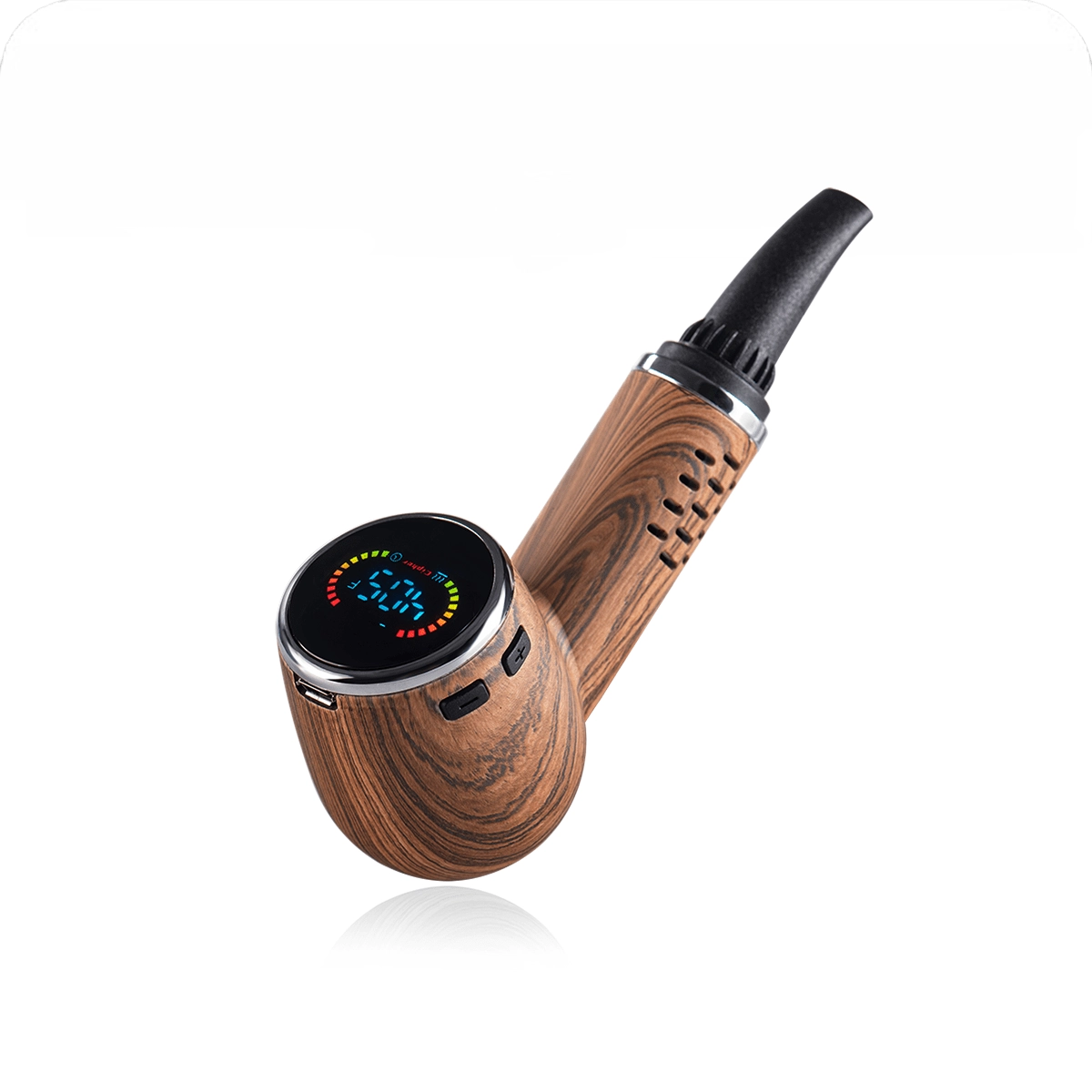
Vaping has developed into a broad category with many different device designs, materials, and operating methods. Among the options available today, pipes remain recognizable because they combine a compact form with a familiar shape. Modern Vape Pipes can vary considerably in construction, airflow design, heating technology, and maintenance requirements, making it useful to understand their basic characteristics before comparing different types.
Rather than viewing a pipe simply as a container or delivery device, it is better to consider how its individual components work together. The mouthpiece, chamber, airflow path, heating element, battery system, and exterior material can all influence the overall experience. Understanding these elements also makes it easier to identify differences between traditional-looking designs and newer electronic alternatives.
What Are Vape Pipes?
A vaping pipe is generally a compact device designed around a pipe-shaped structure. Depending on its construction, it may use a heating mechanism, a removable chamber, or another system intended to produce inhalable vapor. Some designs emphasize a traditional appearance, while others incorporate modern electronics into the familiar pipe profile.
The term can therefore cover several different product categories. Some devices are entirely electronic, while others may have simpler construction. Their intended materials and compatible substances can also differ, so users should always follow the manufacturer’s instructions and applicable local laws.
The main elements commonly found in a modern pipe-style vaping device include:
- Mouthpiece or inhalation outlet
- Chamber or cartridge area
- Heating component
- Airflow pathway
- Battery or power source
- Exterior housing
- Controls or activation mechanism
Each component has a practical purpose. A well-designed airflow path, for example, can affect how smoothly air moves through the device, while the construction material can influence durability and cleaning requirements.
Why Pipe-Shaped Designs Remain Popular
The pipe shape has existed for a long time and is familiar to many people. Modern manufacturers have adapted that basic silhouette to different technologies without necessarily abandoning its recognizable form.
One reason the design remains interesting is its balance between appearance and functionality. A pipe-shaped device can be relatively compact while still providing enough internal space for a chamber, battery, or other components. The shape may also provide a comfortable grip compared with some extremely small cylindrical devices.
However, appearance should not be confused with performance. Two devices may look almost identical while having completely different internal systems. Buyers should therefore pay attention to specifications, materials, compatibility, and maintenance requirements instead of choosing a device based only on its exterior design.
Common Materials Used in Pipe Construction
Materials play an important role in the durability and maintenance of a vaping pipe. Different materials can provide different combinations of weight, heat resistance, appearance, and cleaning convenience.
Glass
Glass is often valued for its clean appearance and resistance to absorbing odors. It can also allow users to see certain internal areas of a device. The main disadvantage is fragility. A glass component may crack or break if dropped or exposed to inappropriate temperature changes.
Metal
Metal is commonly selected for its strength and durability. Stainless steel and aluminum are examples of metals used in various device components. Metal construction can make a product more suitable for regular handling, although the exact alloy and finish matter.
Ceramic
Ceramic components can offer strong heat resistance and are sometimes used around heating areas. They may also provide a different thermal behavior from metal components. As with glass, ceramic parts can be damaged by impact.
Wood
Wooden designs are often associated with traditional aesthetics. Different types of wood can produce distinctive grain patterns, making each finished piece visually different. Wooden components require appropriate care because prolonged exposure to moisture can affect their condition.
Understanding Heating Systems
Heating technology is one of the most important differences between modern vaping devices. A heating element converts electrical energy into heat, allowing a compatible material to produce vapor without relying on conventional combustion.
The design of the heating system can influence several factors:
- Temperature consistency
- Heating speed
- Power consumption
- Component lifespan
- Cleaning requirements
- Overall device maintenance
Some systems use direct electrical heating, while others incorporate more sophisticated temperature controls. The appropriate operating procedure depends entirely on the specific device, so manufacturer guidance should always take priority.
Airflow and Vapor Path Design
Airflow is another important consideration. When air passes through a device, the internal pathway determines how efficiently it moves from the intake area toward the mouthpiece.
A poorly maintained airflow path can become restricted by residue or debris. This may change the device’s performance and increase the effort required during use.
Good maintenance therefore involves more than cleaning visible exterior surfaces. Internal pathways, removable chambers, screens, and mouthpieces may also require attention depending on the construction.
Portability and Storage
Compact pipe-style devices are often designed with portability in mind. Their relatively small size can make them easier to store than larger equipment. Nevertheless, portable devices require appropriate storage to reduce the risk of damage.
A sensible storage routine includes:
- Keeping the device away from excessive heat
- Avoiding prolonged exposure to moisture
- Protecting fragile components from impact
- Storing removable parts securely
- Following battery-storage instructions
- Keeping the device away from children and pets
Electronic models deserve particular attention because batteries can be damaged by extreme temperatures, physical impact, or inappropriate charging equipment.
Cleaning and Maintenance
Regular maintenance can help preserve the condition of a pipe-style device. Residue may accumulate in the chamber, airflow pathway, or mouthpiece over time. The exact cleaning method depends on the materials and construction.
Users should consult the manufacturer’s instructions before applying solvents, heat, water, or cleaning agents. Some substances that are safe for metal may damage plastic, wood, coatings, adhesives, or electronic components.
A basic maintenance routine may involve:
- Allowing heated components to cool completely.
- Removing detachable parts where the design permits.
- Cleaning compatible surfaces according to manufacturer instructions.
- Checking the mouthpiece and airflow openings.
- Inspecting seals, threads, and other connections.
- Allowing components to dry completely before reassembly.
Electronic parts and batteries should never be exposed to liquids unless the manufacturer specifically states that they are designed for such cleaning.
Choosing Between Different Designs
There is no single design that suits every situation. A person’s priorities may include durability, appearance, portability, ease of cleaning, or the availability of replacement components.
Before selecting a device, it is useful to consider:
Build Quality
Look at the construction materials and the quality of connections. Loose components, poorly finished edges, or weak hinges can become problems with regular handling.
Maintenance
A complicated device may provide additional functionality but can also have more components requiring care. Simpler designs can sometimes be easier to clean and inspect.
Replacement Parts
Check whether important components can be replaced. A damaged mouthpiece, seal, or heating component should not necessarily require replacing an otherwise functional device.
Battery Safety
For electronic models, battery specifications are particularly important. Charging should always be performed using compatible equipment and according to the manufacturer’s instructions.
Responsible Use and Legal Considerations
Vaping products can be subject to different regulations depending on location and intended use. Rules may cover possession, sale, age restrictions, public use, and the substances that can legally be used with a particular device.
For that reason, users should understand local requirements before purchasing or using any vaping equipment. It is also important to follow product-specific instructions rather than assuming that every pipe-shaped device operates in the same way.
Final Thoughts
Pipe-style vaping devices combine a recognizable form with a variety of modern materials and technologies. Their differences can be found in heating systems, airflow design, construction materials, maintenance requirements, portability, and power systems. Understanding these details makes it easier to compare devices objectively instead of relying only on appearance.
A careful approach also means paying attention to cleaning instructions, battery safety, compatible materials, and local regulations. Whether someone is researching traditional designs or electronic alternatives, understanding how each component functions provides a stronger foundation for making an informed decision.
For readers researching the different designs, materials, and construction features available in this category, Vape Pipes can serve as a reference point when comparing pipe-style options.
FAQs
1. What are vape pipes?
Vape pipes are pipe-shaped devices associated with vapor-producing systems. Depending on the design, they may contain electronic heating components, chambers, airflow systems, or removable parts. Their construction varies widely, so users should examine the manufacturer’s specifications and instructions to understand exactly how a particular model is designed to function.
2. What materials are commonly used to make vaping pipes?
Common materials can include glass, metal, ceramic, wood, and various engineered plastics. Each material has different characteristics related to durability, heat resistance, appearance, and maintenance. The best choice depends on the construction of the particular device and how its components are intended to be used and maintained.
3. How should a vaping pipe be maintained?
Maintenance depends on the specific design and materials. Generally, removable components should be cleaned according to manufacturer instructions, while electronic components and batteries should be protected from moisture. Regular inspection of the mouthpiece, chamber, seals, and airflow openings can also help identify buildup or damage.
4. Are all pipe-shaped vaping devices electronic?
No. The term can describe different types of pipe-style products, and not every item with a pipe-shaped design uses the same technology. Some incorporate electronic heating systems, while others have much simpler construction. Checking the product specifications is important because appearance alone does not reveal how a device operates.
5. Why is battery safety important for electronic vaping pipes?
Battery safety matters because rechargeable batteries can be damaged by overheating, physical impact, unsuitable chargers, or incorrect storage. Users should follow the manufacturer’s charging instructions, avoid damaged batteries, and keep electronic devices away from extreme temperatures. Proper handling reduces the risk associated with rechargeable power systems.
