

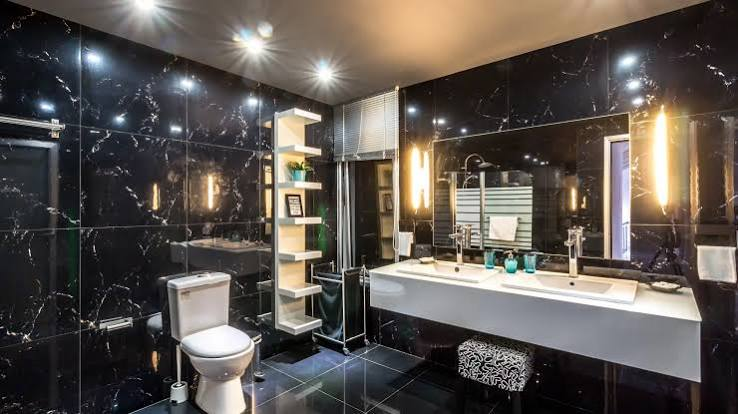
Public restrooms are used by hundreds or even thousands of people every day. Because of this high traffic, they need to be clean, safe, practical, and easy to maintain. The right public bathroom accessories can make a major difference in how a restroom looks and functions. From soap dispensers and hand dryers to grab bars and waste bins, every accessory has an important role.
Modern restroom design is no longer only about appearance. Hygiene, convenience, durability, accessibility, and water efficiency are also key factors. Whether it is a shopping mall, airport, restaurant, school, office, hospital, or public building, choosing the right bathroom fixtures can create a better experience for everyone.
1. Why Public Bathroom Accessories Are Important
A public restroom must handle much more use than a private bathroom. Poor-quality fixtures can break quickly, become difficult to clean, or create hygiene problems. High-quality public bathroom accessories are designed to handle frequent use while keeping the space organized and sanitary.
One major benefit is improved hygiene. Touch-free soap dispensers, automatic faucets, and sensor-operated hand dryers can reduce the number of surfaces users need to touch. This can help create a cleaner environment when combined with proper cleaning and handwashing practices.
Good accessories also improve restroom organization. A wall-mounted soap dispenser keeps soap in one place, while a suitable waste bin helps prevent litter from spreading around the floor. Toilet paper holders and paper towel dispensers also make essential supplies easy to access.
Durability is another important factor. Public facilities need products made from strong materials such as stainless steel, aluminum, or high-quality plastic. These materials can handle regular use and are often easier to maintain.
2. Essential Accessories for Modern Public Restrooms
There are many products available for commercial and public washrooms. The right combination depends on the size of the facility, the number of visitors, and the type of users.
Here are some of the most useful restroom accessories:
Soap Dispensers:
Soap dispensers are essential for proper hand hygiene. Automatic models can release soap without users touching the dispenser, while manual options are often simple and cost-effective.
Paper Towel Dispensers:
Paper towels provide a quick way to dry hands. Modern dispensers can control how much paper is released, helping reduce waste.
Hand Dryers:
Electric hand dryers are another popular solution. They can reduce the need for paper towels and provide a fast hand-drying option.
Automatic Faucets:
Sensor faucets turn water on when hands are detected. They can improve convenience and help control water usage.
Waste Bins:
A well-positioned waste bin helps keep the restroom clean. Covered or touch-free bins can also provide a more hygienic solution.
Toilet Paper Holders:
Strong toilet paper holders are necessary in every public restroom. Commercial models are designed to handle frequent use and regular cleaning.
Mirrors:
Large, easy-to-clean mirrors improve both functionality and the appearance of a restroom.
Grab Bars:
Grab bars provide additional support for people with mobility needs. They are an important part of accessible restroom design.
Together, these products can create a more practical and comfortable public bathroom.
3. Choosing the Right Materials and Designs
Material selection is one of the most important considerations when buying public bathroom accessories. Since public restrooms experience constant use, accessories should be strong enough to withstand daily wear.
Stainless steel is a common choice because it is durable, easy to clean, and resistant to corrosion. It also gives a restroom a modern and professional appearance. Stainless steel accessories are often suitable for busy locations such as airports, hotels, shopping centers, and office buildings.
High-quality plastic is another option. It can be lightweight and available in many designs. Plastic accessories may work well in schools, offices, restaurants, and other facilities where affordability is important.
The design should also match the restroom environment. Wall-mounted products can save floor space and make cleaning easier. Simple shapes with fewer hard-to-reach areas are generally easier for cleaning staff to maintain.
It is also useful to consider vandal-resistant designs in locations with very heavy traffic. Strong mounting systems and durable construction can help reduce repairs and replacement costs.
A good design should balance appearance, functionality, hygiene, and durability rather than focusing on only one feature.
4. Hygiene, Accessibility, and User Comfort
Hygiene should be a top priority in every public restroom. People expect public washrooms to provide clean facilities and easy access to handwashing supplies.
Touch-free technology has become increasingly popular because it can reduce unnecessary contact. Sensor-operated faucets, soap dispensers, flush systems, and hand dryers can provide a more convenient experience.
However, technology alone does not guarantee cleanliness. Regular cleaning, restocking, inspection, and maintenance are still essential. Even the best accessories will not perform well if soap dispensers remain empty or waste bins are not emptied on time.
Accessibility is equally important. Public restrooms should be designed so that people with different physical needs can use them safely. Properly installed grab rails, accessible sinks, suitable mirrors, and easy-to-operate fixtures can make a restroom more inclusive.
User comfort also matters. Accessories should be placed at practical heights and in convenient locations. For example, soap, water, and hand-drying facilities should be positioned close enough together to create a smooth handwashing process.
Clear signs can also help visitors find accessible facilities, baby-changing areas, and other important features quickly.
5. How to Maintain Public Bathroom Accessories
Even durable public bathroom accessories need regular care. A simple maintenance plan can extend product life and keep the restroom looking professional.
Cleaning staff should inspect accessories regularly for dirt, damage, leaks, and loose fittings. Frequently touched surfaces should be cleaned according to the facility’s hygiene procedures. Soap dispensers, paper towel units, and hand dryers should also be checked to make sure they are working correctly.
Waste bins should be emptied before they become full. Overflowing bins can quickly make an otherwise clean restroom look neglected.
Maintenance teams should also check faucets and plumbing fixtures for leaks. A small leak may waste water and eventually cause damage to surrounding surfaces.
Broken accessories should be repaired or replaced as soon as possible. A damaged grab bar, loose dispenser, or broken toilet paper holder can affect both safety and user experience.
It is also helpful to keep spare parts and replacement supplies available. This can reduce downtime and allow maintenance workers to fix common problems quickly.
A regular maintenance schedule can therefore save money over time while keeping the facility clean, safe, and functional.
Benefits of Investing in Quality Public Bathroom Accessories
Choosing quality restroom products offers several long-term benefits:
- Better hygiene: Touch-free and easy-to-clean fixtures can support cleaner restroom environments.
- Improved durability: Strong materials can handle frequent daily use.
- Lower maintenance needs: Reliable products may require fewer repairs and replacements.
- Better appearance: Modern accessories can give a restroom a professional look.
- Improved accessibility: Properly selected fixtures can support users with different needs.
- Greater convenience: Well-positioned accessories make the restroom easier to use.
- Better resource management: Water-saving faucets and controlled dispensers can help reduce waste.
These benefits make restroom accessories an important part of commercial and public facility planning.
Conclusion
Modern public restrooms need more than basic toilets and sinks. The right public bathroom accessories can improve hygiene, organization, accessibility, comfort, and overall appearance. Products such as soap dispensers, hand dryers, automatic faucets, waste bins, mirrors, toilet paper holders, and grab bars all contribute to a better restroom experience.
When choosing accessories, facility managers should consider durability, material quality, ease of cleaning, accessibility, installation, and maintenance requirements. It is also important to match each product to the level of traffic and the needs of the people using the facility.
With thoughtful planning and regular maintenance, high-quality bathroom accessories can help create public restrooms that are cleaner, safer, more efficient, and more comfortable for everyone.
Frequently Asked Questions
1. What are public bathroom accessories?
Public bathroom accessories are products designed to improve the hygiene, safety, convenience, and organization of shared restrooms. Common examples include soap dispensers, hand dryers, paper towel holders, grab bars, mirrors, waste bins, and toilet paper holders.
2. Which materials are best for public bathroom accessories?
Stainless steel is one of the most popular materials because it is durable, corrosion-resistant, easy to clean, and suitable for high-traffic restrooms. High-quality plastic can also be a practical option for certain facilities.
3. Why are touch-free bathroom accessories useful?
Touch-free accessories, such as sensor faucets and automatic soap dispensers, reduce the need to touch shared surfaces. They can improve user convenience and support better hygiene when combined with regular restroom cleaning.
4. How should public bathroom accessories be maintained?
Public bathroom accessories should be inspected and cleaned regularly. Supplies such as soap, paper towels, and toilet paper should be restocked, while damaged or loose fixtures should be repaired or replaced quickly.
5. What should I consider when choosing public bathroom accessories?
Consider durability, hygiene, accessibility, ease of cleaning, installation, maintenance, design, and expected restroom traffic. Choosing accessories based on these factors can help create a functional and comfortable public restroom.
