

Electrical transformers are selected according to load requirements, installation conditions, voltage levels, and the type of electrical system they will serve. A transformer that is too small may struggle under sustained demand, while an unnecessarily large unit can add avoidable purchase and operating costs. The 167 kVA transformer is one capacity option used in distribution and commercial power applications where a suitable balance between available capacity and expected electrical demand is required.
What Does a 167 kVA Transformer Do?
A transformer transfers electrical energy between circuits through electromagnetic induction while changing the voltage level. It does not normally change the frequency of the electrical supply.
The 167 kVA rating indicates the apparent power capacity of the unit. The term kVA, or kilovolt-amperes, accounts for both voltage and current and is commonly used for transformer sizing because transformer loading depends on apparent power rather than only real power measured in kilowatts.
The actual usable load depends on factors such as power factor, ambient temperature, installation conditions, cooling method, and the manufacturer’s specified operating limits.
Where These Transformers Are Used
A 167 KVA transformer may be installed in several types of electrical distribution systems. Typical applications include commercial buildings, agricultural facilities, small industrial sites, workshops, institutional properties, and utility distribution networks.
The appropriate configuration depends on the electrical characteristics of the site. A facility with three-phase equipment will generally require a three-phase transformer, while certain residential, rural, or specialized applications may use a single-phase design.
Load characteristics also matter. Motors, HVAC equipment, pumps, lighting systems, machinery, and electronic equipment can produce different demand patterns. Reviewing the expected operating load before selecting the transformer helps prevent capacity problems after installation.
Single-Phase Configuration
A 167 KVA single phase transformer is designed for electrical systems where power is supplied through a single-phase arrangement. These units can be useful for specific distribution applications where three-phase power is unnecessary or unavailable.
Single-phase transformers are commonly encountered in rural electrical distribution, residential areas, agricultural properties, and selected commercial installations. The required primary and secondary voltages should be confirmed before ordering because transformer designs are available for different system voltages.
Connection type, frequency, insulation class, impedance, and environmental requirements should also match the intended installation.
Pole-Mounted Transformer Applications
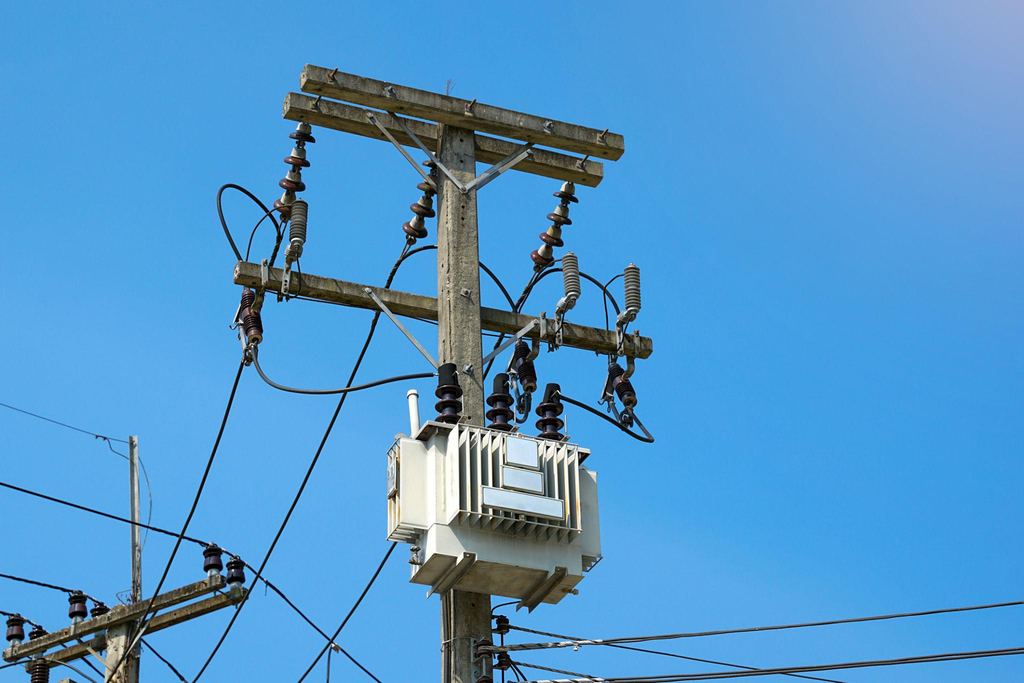
A 167 KVA pole mounted transformer is installed on utility poles or other suitable overhead structures. This arrangement is commonly associated with overhead distribution networks where electrical power must be stepped down before reaching customers or local distribution equipment.
Pole-mounted designs have to account for more than electrical capacity. Physical dimensions, weight, mounting hardware, clearances, weather exposure, and local utility requirements can influence the equipment selected.
Installation should be handled by qualified electrical professionals who understand applicable electrical codes and utility specifications. Proper grounding and protection are also necessary for safe operation.
Voltage and Connection Options
Transformer capacity alone does not determine whether a unit will work for a particular site. Primary voltage must correspond to the incoming electrical supply, while secondary voltage must match the equipment or distribution system being supplied.
Common specification details include:
- Primary voltage
- Secondary voltage
- Phase configuration
- Frequency
- Connection arrangement
- Impedance
- Insulation system
- Cooling method
- Temperature rise
- Enclosure or mounting configuration
The transformer nameplate provides many of these details. Reviewing the nameplate and technical datasheet before installation helps electricians verify that the equipment matches the intended electrical system.
How Transformer Loading Is Calculated
Transformer sizing begins with determining the expected electrical demand. For single-phase systems, apparent power can be calculated using:
kVA = Voltage × Current ÷ 1,000
For three-phase systems, the calculation is generally:
kVA = √3 × Voltage × Current ÷ 1,000
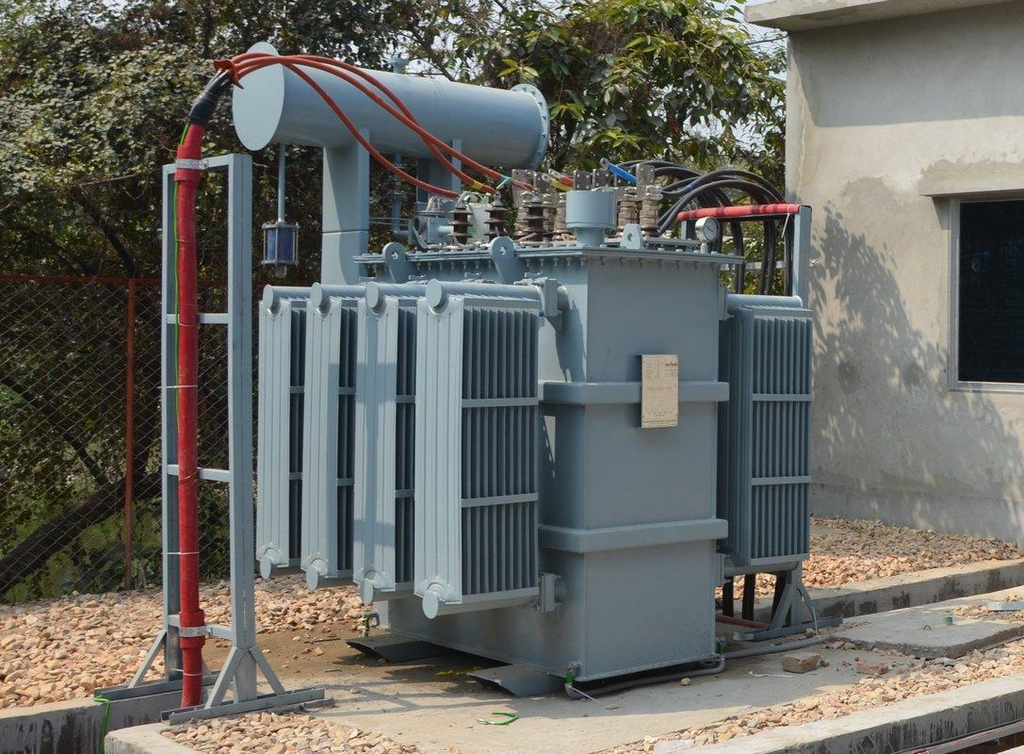
These calculations provide a starting point for evaluating transformer capacity. Engineers may also consider motor starting currents, future expansion, load diversity, continuous loading, and site-specific operating conditions.
For example, two facilities could have similar connected equipment but different actual demand because their equipment does not operate at the same time. A proper load study can therefore provide a more realistic basis for transformer selection than simply adding every piece of connected equipment.
Factors That Affect Transformer Selection
Electrical capacity is only one part of the selection process. Environmental conditions can influence the type of transformer required. Outdoor installations may require equipment designed to withstand moisture, temperature changes, dust, and other environmental exposure.
The physical installation area also matters. A transformer placed indoors may have different ventilation, noise, clearance, and fire-safety requirements than an outdoor unit.
Efficiency should also be considered. Transformer losses occur through core and winding losses, and these losses contribute to operating costs over the equipment’s service life. Comparing efficiency specifications can therefore be useful when evaluating different models.
Maintenance requirements vary according to transformer construction and installation. Regular inspection may include checking connections, signs of overheating, physical damage, grounding arrangements, and other conditions specified by the manufacturer.
Understanding 167 kVA Transformer Price
The 167 kVA transformer price can vary considerably depending on its design and specifications. Voltage ratings, phase configuration, construction, cooling system, insulation, mounting arrangement, materials, certification requirements, and manufacturer can all affect the final cost.
New transformers generally differ in price from refurbished or used units. A used transformer may have a lower initial purchase cost, but its condition, test history, remaining service life, and maintenance records should be reviewed carefully.
Shipping can also affect the total expense because transformers are heavy electrical equipment. Installation hardware, electrical protection, labor, testing, permits, and site preparation may represent additional costs beyond the transformer itself.
For an accurate quotation, suppliers typically need detailed electrical specifications rather than capacity alone.
New Versus Refurbished Equipment
New equipment offers the advantage of having current manufacturing specifications and documentation. Depending on the manufacturer, buyers may also receive a warranty and factory test information.
Refurbished transformers can be suitable for certain applications when they have been properly inspected and tested. Buyers should request available test reports and verify insulation condition, winding condition, oil quality for oil-filled units, and other relevant technical information.
The decision should be based on the installation’s electrical requirements, operating conditions, budget, and required service life.
Checking the Nameplate Before Installation
The transformer nameplate should be reviewed before connecting the equipment to an electrical system. Important information can include rated kVA, primary and secondary voltages, phase, frequency, impedance, temperature rise, serial number, and connection information.
The nameplate should correspond with the project specifications and electrical drawings. Any discrepancy should be resolved before energization.
A transformer is a long-term component of an electrical distribution system, so careful specification and verification at the purchasing stage can prevent compatibility problems later.
Final Considerations for Buyers
Selecting a transformer requires more than matching a kVA number to an estimated load. Voltage, phase, installation method, environmental conditions, efficiency, protection, maintenance, and future demand should all be reviewed.
For a 167 kVA transformer, obtaining the complete technical datasheet and confirming the primary and secondary requirements are practical steps before purchase. Buyers can then compare suitable units based on documented specifications rather than price alone.
Qualified electrical engineers or contractors should verify the final selection and installation requirements. Following manufacturer instructions and applicable electrical standards is essential for safe and reliable transformer operation.
