

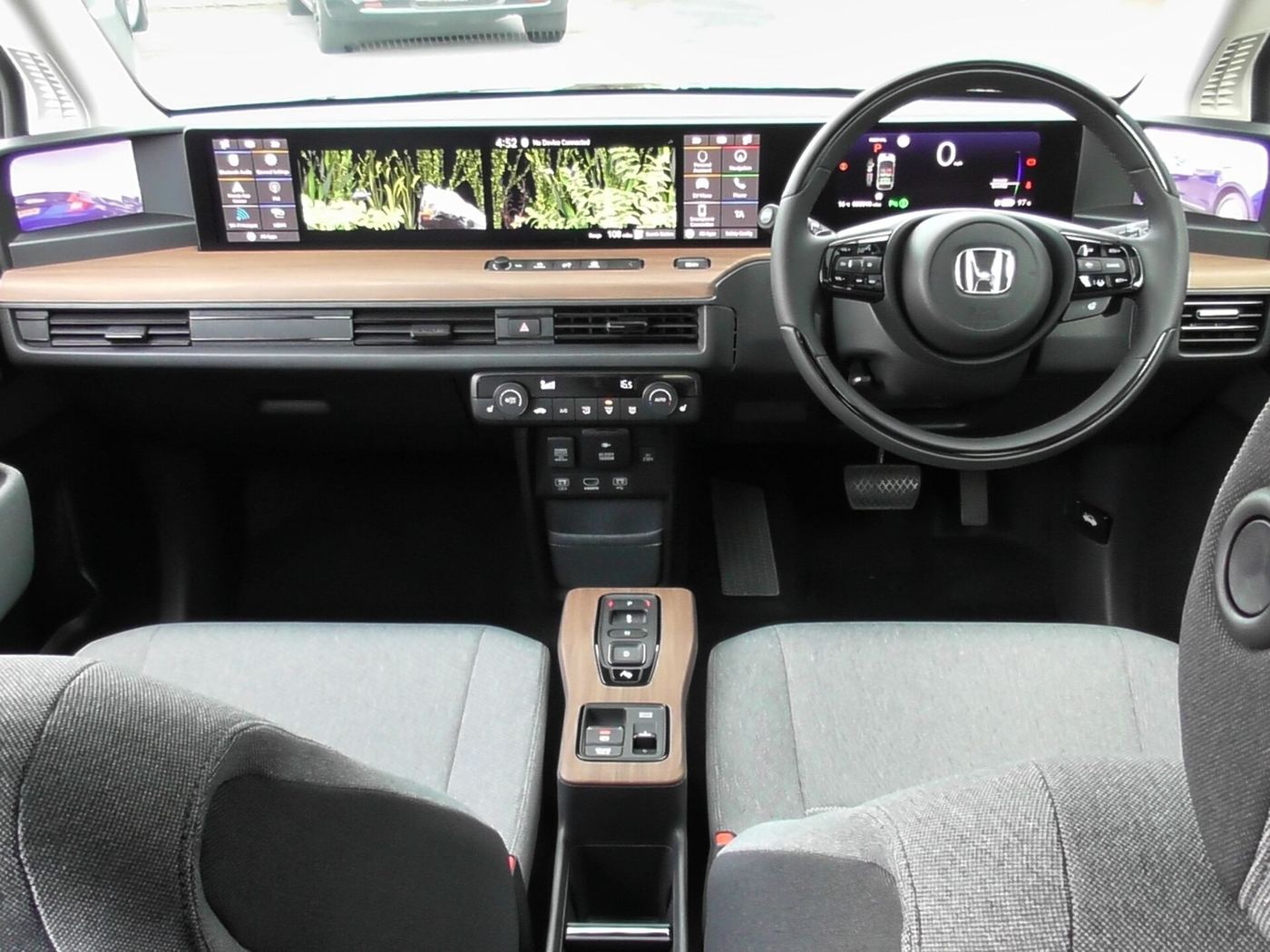
Carmakers are quietly bringing back physical buttons and dials alongside large touchscreens, after drivers and safety researchers criticised designs that buried basic controls inside menus. Adjusting heating, volume or wipers should not require looking away from the road, and new safety guidance in several markets now rewards cars that keep essential functions on real controls. Manufacturers are not abandoning screens, which remain ideal for navigation, charging information and settings used while parked. Instead, the newest electric models mix both approaches, pairing a clear central display with tactile switches drivers can find by touch. The change marks a welcome correction in car design, where digital ambition is being balanced against concentration and common sense. The reversal follows years of complaints from owners who found simple journeys distracted by screens demanding several taps.
What the Evidence Shows
Designers say the challenge is deciding which functions deserve a physical control, with frequent, safety related tasks at the top of the list and occasional settings left to the touchscreen. Voice commands help in some situations but can fail with noise, accents or multiple passengers talking, so they are treated as a backup rather than a replacement. Owners also benefit over time, because buttons continue to work predictably as software updates change menus and layouts on the screen beside them. Safety organisations expect this blended approach to spread across price ranges as electric platforms are refreshed over the next few years. For drivers, the result should be cabins that feel modern without demanding more attention than the road itself deserves. Reporting and analysis from sources such as Wired track the same developments, and specialists following physical buttons return beside touchscreens say the direction is now consistent across independent lines of evidence.
The Wider Context
The wider context is an industry learning to ship capability and restraint together. Products built around physical buttons return beside touchscreens now launch with safety evaluations, usage data and rollback plans as standard, because enterprise buyers and regulators ask for them in the first meeting. Companies that treated those questions as friction are discovering they have become the purchase criteria.
What Happens Next
What happens next for physical buttons return beside touchscreens depends less on another breakthrough than on the unglamorous work of reliability, pricing and support. The buyers evaluating it now are not enthusiasts; they are operators with budgets and auditors, and their checklists will decide the timeline. On the evidence of the current pilots, the technology has earned the right to be judged by them. You can follow related developments in our coverage of technology.
None of this will be settled by a single announcement, study or product launch. The pattern to watch is accumulation: independent confirmations, honest reporting of failures and steady improvement in the underlying numbers. Readers who follow those signals, rather than the loudest claim of the week, will understand this subject better than most of the commentary surrounding it suggests is possible.
