

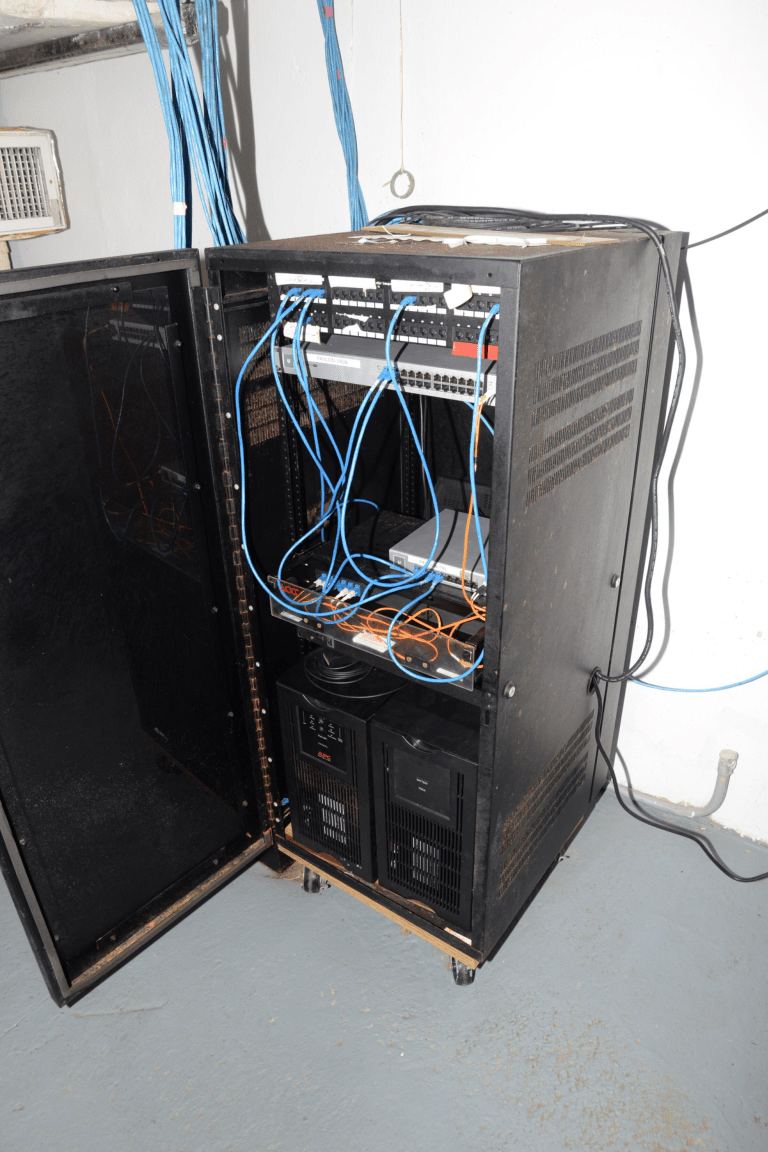
Engineers are securing server rooms as network threats grow more complex, treating the physical rooms at the heart of company systems with the same seriousness they have long given to passwords, patches and firewalls. Modern audits therefore start at the door, checking who holds access, whether entry is logged, how quickly former staff are removed from the list and whether cameras actually cover the racks they claim to protect. Inside, engineers separate networks physically as well as digitally, label cables properly so mistakes are less likely under pressure and keep backup systems isolated so one incident cannot quietly destroy both the original data and its copies. Environmental controls matter just as much, because overheating, water and dust have ended more systems than hackers ever will, and alarms for each are now standard in a well run room. The work is unshowy, but it underpins every digital service the organisation promises its customers.
What the Evidence Shows
Good server room security also plans for the day something goes wrong anyway, with clear procedures for isolating a compromised rack, preserving evidence for investigators and restoring services from backups that are tested rather than merely assumed to work. Supply chains receive attention too, since maintenance visits, replacement drives and decommissioned equipment all carry data risks that a locked door alone cannot answer without proper records and verified destruction. Smaller firms without their own rooms are applying the same thinking to cupboards, cabinets and cloud arrangements, asking providers direct questions about access, logging and isolation instead of assuming a famous name guarantees careful practice. Regular walk-throughs by someone outside the usual team catch the slow drift, propped doors, shared badges and mystery cables, that formal audits scheduled months apart can easily miss. Security, engineers insist, is a habit of noticing, and the server room is simply where that habit matters most visibly. Reporting and analysis from sources such as MIT Technology Review track the same developments, and specialists following engineers secure server rooms against threats say the direction is now consistent across independent lines of evidence.
The Wider Context
The wider context is an industry learning to ship capability and restraint together. Products built around engineers secure server rooms against threats now launch with safety evaluations, usage data and rollback plans as standard, because enterprise buyers and regulators ask for them in the first meeting. Companies that treated those questions as friction are discovering they have become the purchase criteria.
What Happens Next
What happens next for engineers secure server rooms against threats depends less on another breakthrough than on the unglamorous work of reliability, pricing and support. The buyers evaluating it now are not enthusiasts; they are operators with budgets and auditors, and their checklists will decide the timeline. On the evidence of the current pilots, the technology has earned the right to be judged by them. You can follow related developments in our coverage of technology.
There is a practical lesson in all of this for readers deciding what to do today. Start with the verified facts, be wary of anyone promising certainty, and prefer reversible steps while the evidence is still developing. Circumstances differ by country, income and personal situation, so general guidance should always be weighed against your own context before you act on it in any significant or lasting way.
