

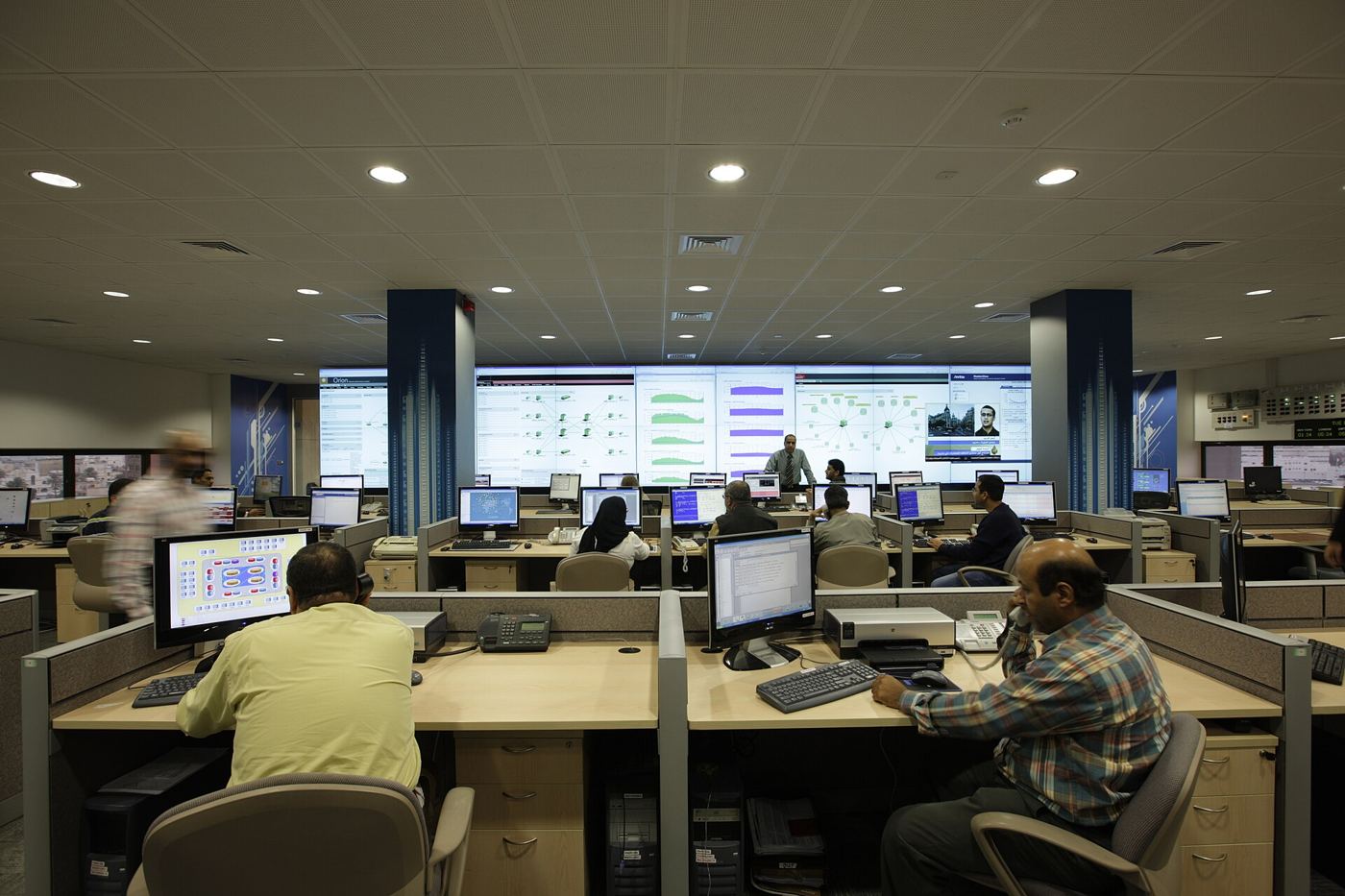
Security centres are sharing alerts faster to stop attacks spreading, building formal channels that warn banks, hospitals, councils and companies within minutes when a new campaign is spotted hitting one of them. Modern sharing platforms strip out sensitive information automatically, passing along the technical fingerprints of an attack, the sender addresses, file hashes and server locations that other centres can block before their own users ever see them. Trust is the difficult part, because organisations must believe shared alerts will be used for defence rather than publicity, and that admitting an incident will not be punished with headlines the next morning by competitors. Government coordinators help by setting clear rules, anonymising sources where needed and confirming which warnings deserve urgent action rather than adding to the daily noise of low-level alerts. The result is a quiet shift in cyber defence, from isolated teams guarding their own walls to a network that learns together.
What the Evidence Shows
Speed only helps when the receiving centre can act, so members are also standardising how alerts are formatted, prioritised and fed directly into blocking tools without waiting for someone to read an email during a busy shift. Smaller organisations benefit most from the arrangement, gaining the early sight of attacks that only large security teams once had, provided they keep their own basic protections patched and properly configured. Analysts caution that shared fingerprints age quickly, because attackers change addresses and rebuild websites within hours, which is why the networks increasingly share behaviour patterns and tactics alongside the disposable technical details. International cooperation matters too, since campaigns cross borders in minutes and a warning issued on one continent can save victims on another before their working day even begins. No sharing scheme makes attacks disappear, but every hour of warning converts potential victims into prepared defenders, and that arithmetic is steadily favouring the network. Reporting and analysis from sources such as Wired track the same developments, and specialists following security centres share alerts faster together say the direction is now consistent across independent lines of evidence.
The Wider Context
The wider context is an industry learning to ship capability and restraint together. Products built around security centres share alerts faster together now launch with safety evaluations, usage data and rollback plans as standard, because enterprise buyers and regulators ask for them in the first meeting. Companies that treated those questions as friction are discovering they have become the purchase criteria.
What Happens Next
What happens next for security centres share alerts faster together depends less on another breakthrough than on the unglamorous work of reliability, pricing and support. The buyers evaluating it now are not enthusiasts; they are operators with budgets and auditors, and their checklists will decide the timeline. On the evidence of the current pilots, the technology has earned the right to be judged by them. You can follow related developments in our coverage of technology.
None of this will be settled by a single announcement, study or product launch. The pattern to watch is accumulation: independent confirmations, honest reporting of failures and steady improvement in the underlying numbers. Readers who follow those signals, rather than the loudest claim of the week, will understand this subject better than most of the commentary surrounding it suggests is possible.
