

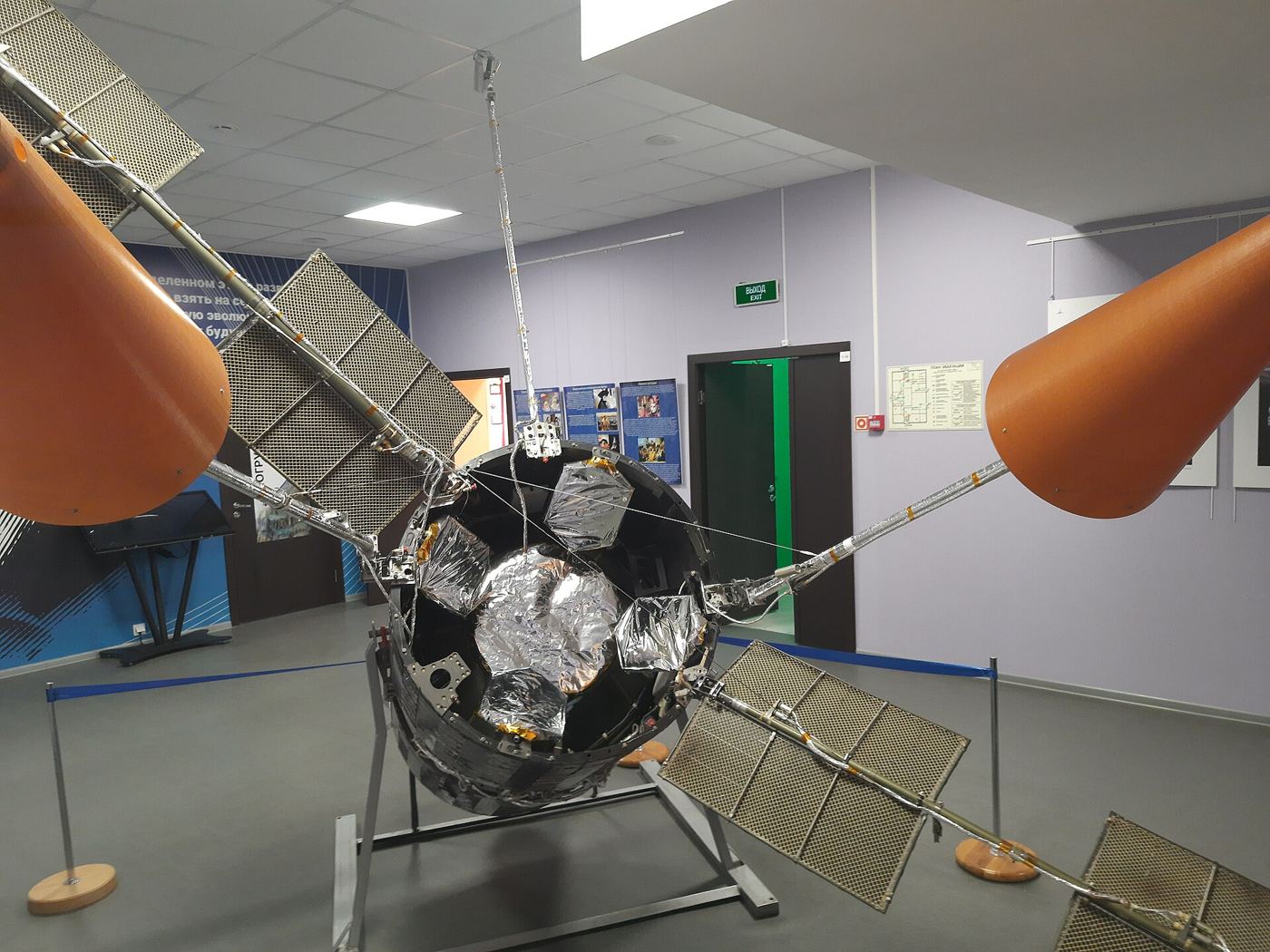
Communication satellites are gaining the ability to reshape their coverage in orbit, shifting capacity toward regions hit by severe storms when ground networks fail. Modern satellites carry flexible antennas and software-defined systems that let operators redirect beams and bandwidth within hours, rather than being fixed to the pattern set at launch. During floods, hurricanes and wildfires, that flexibility can restore a vital link for emergency services coordinating rescues, hospitals sharing patient information and residents contacting family. Operators practise these adjustments in advance, working with disaster agencies to identify which areas are most likely to lose terrestrial connections. The satellites also support portable ground terminals that rescue teams carry into affected areas, providing internet access where mobile masts and fibre lines are down. Engineers emphasise that space-based support complements rather than replaces ground infrastructure, offering a bridge during the days when repairs are underway. As extreme weather events grow more frequent, governments are treating this orbital resilience as part of national preparedness. Contracts increasingly require providers to demonstrate rapid reconfiguration during exercises, so the first real emergency is not also the first live test of the system.
What the Evidence Shows
Making coverage flexible brings technical and coordination challenges that operators are still refining. Redirecting capacity toward one region means reducing it elsewhere, so decisions require clear priorities agreed with governments and humanitarian organisations before a crisis begins. Power limits on board the satellite constrain how many beams can operate at full strength simultaneously, and engineers must balance demand across the fleet. Ground teams also need accurate weather and damage information to place beams where they will help most, rather than where a storm was forecast days earlier. Interoperability matters too, since terminals from different providers should connect to whichever satellite has capacity available. Industry groups are developing shared standards and pre-arranged agreements to speed that cooperation. Security teams monitor the systems closely during emergencies, when disrupted networks are attractive targets for interference. Despite the complexity, recent disaster responses show the model working, with connectivity restored to isolated communities far faster than repairs alone allowed. Each event provides data that improves the next response, steadily turning satellite flexibility into a dependable part of emergency planning. Reporting and analysis from sources such as MIT Technology Review track the same developments, and specialists following storm-resilient satellite coverage say the direction is now consistent across independent lines of evidence.
The Wider Context
The wider context is an industry learning to ship capability and restraint together. Products built around storm-resilient satellite coverage now launch with safety evaluations, usage data and rollback plans as standard, because enterprise buyers and regulators ask for them in the first meeting. Companies that treated those questions as friction are discovering they have become the purchase criteria.
What Happens Next
What happens next for storm-resilient satellite coverage depends less on another breakthrough than on the unglamorous work of reliability, pricing and support. The buyers evaluating it now are not enthusiasts; they are operators with budgets and auditors, and their checklists will decide the timeline. On the evidence of the current pilots, the technology has earned the right to be judged by them. You can follow related developments in our coverage of technology.
There is a practical lesson in all of this for readers deciding what to do today. Start with the verified facts, be wary of anyone promising certainty, and prefer reversible steps while the evidence is still developing. Circumstances differ by country, income and personal situation, so general guidance should always be weighed against your own context before you act on it in any significant or lasting way.
