

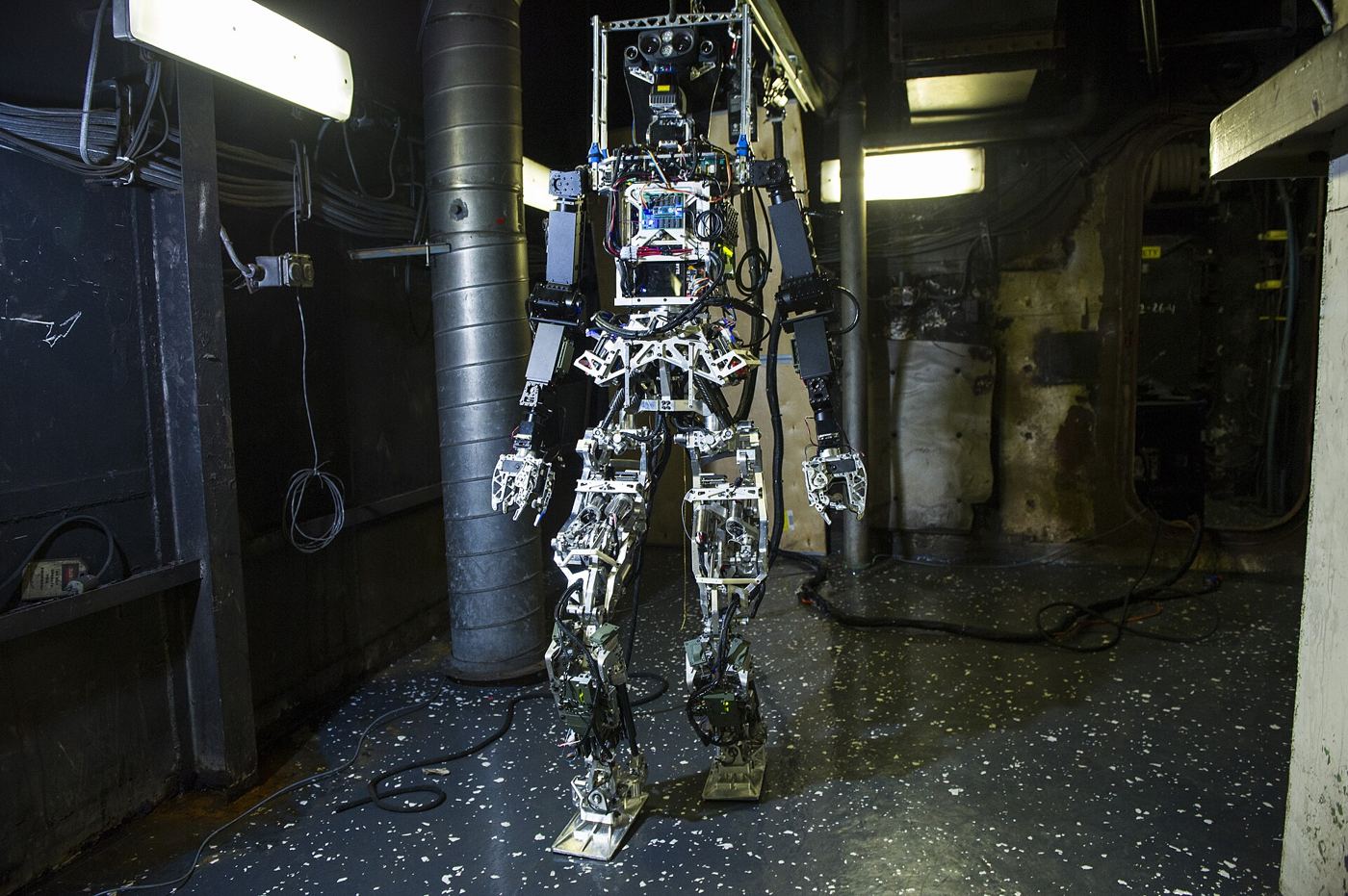
Humanoid robots are being taught a delicate new skill in research laboratories, handling fragile samples such as glass vials, petri dishes and microplates without cracking or contaminating them. The work demands a combination that robots have historically found difficult, precise movement paired with a sensitive sense of touch. Engineers are fitting robotic hands with pressure sensors that detect how firmly an object is being gripped, allowing the machine to adjust in real time, much as a person loosens their hold when carrying an egg. Vision systems identify each container and its contents, while training in simulated environments lets the robot practise thousands of lifts before touching real samples. Laboratory managers see clear value in the progress, because sample handling is repetitive, time-consuming and vulnerable to human error during long shifts. A robot that works consistently overnight could prepare materials so scientists arrive to experiments ready to run. Humanoid form matters in this setting because laboratories are built for people, with benches, doors and equipment at human height, so a machine shaped like its users can slot into existing spaces without expensive redesign of the whole facility.
What the Evidence Shows
Significant hurdles remain before such robots become routine laboratory colleagues. Hands that are gentle enough for a vial must also be strong enough for heavier equipment, and balancing those demands in one design is an active engineering challenge. Sterility is another concern, since robotic surfaces must withstand the cleaning chemicals used between experiments without degrading sensors or joints. Software must also recognise when something has gone wrong, such as a mislabelled tube or a cracked container, and stop safely rather than continue a flawed process. Researchers address these problems through staged trials, beginning with empty containers and progressing to low-risk materials under close supervision. Every movement is logged, creating records that help both engineers and regulators judge reliability. Costs are currently high, limiting trials to well-funded facilities and specialist manufacturers. Supporters argue that prices will fall as components standardise, following the pattern of earlier laboratory automation. If gentle handling can be proven dependable, humanoid assistants could free skilled scientists from routine preparation and let them spend more time on analysis, design and discovery. Reporting and analysis from sources such as Wired track the same developments, and specialists following humanoid robots in laboratories say the direction is now consistent across independent lines of evidence.
The Wider Context
The wider context is an industry learning to ship capability and restraint together. Products built around humanoid robots in laboratories now launch with safety evaluations, usage data and rollback plans as standard, because enterprise buyers and regulators ask for them in the first meeting. Companies that treated those questions as friction are discovering they have become the purchase criteria.
What Happens Next
What happens next for humanoid robots in laboratories depends less on another breakthrough than on the unglamorous work of reliability, pricing and support. The buyers evaluating it now are not enthusiasts; they are operators with budgets and auditors, and their checklists will decide the timeline. On the evidence of the current pilots, the technology has earned the right to be judged by them. You can follow related developments in our coverage of technology.
None of this will be settled by a single announcement, study or product launch. The pattern to watch is accumulation: independent confirmations, honest reporting of failures and steady improvement in the underlying numbers. Readers who follow those signals, rather than the loudest claim of the week, will understand this subject better than most of the commentary surrounding it suggests is possible.
