

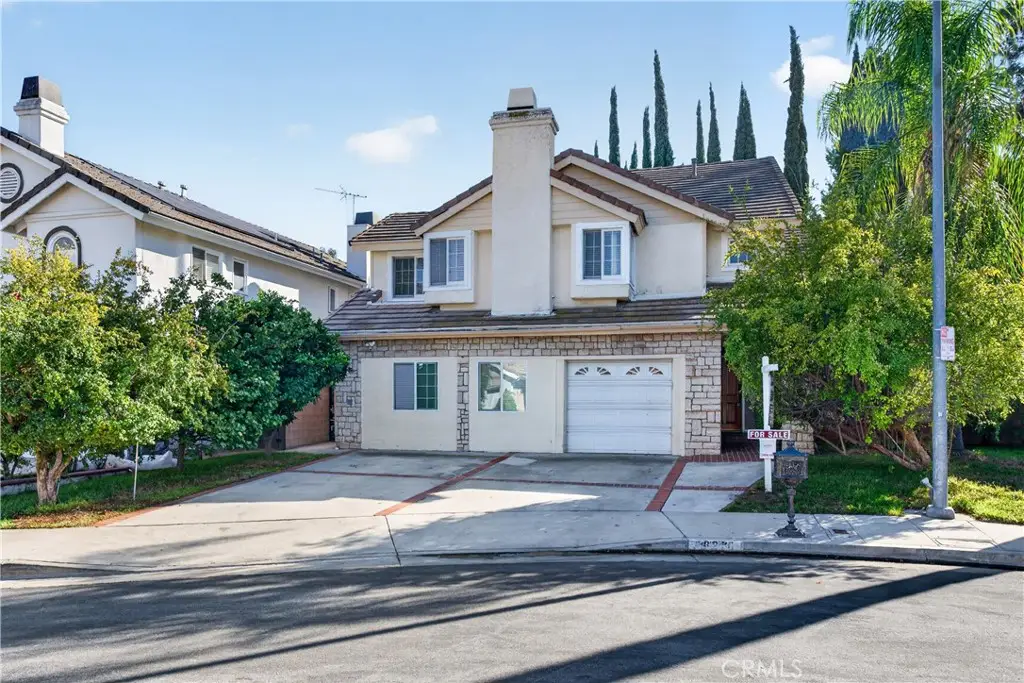
Managing household routines in residential neighborhoods throughout Tarzana requires an entrance setup that delivers smooth physical access alongside consistent security. Located along the foothills of the Santa Monica Mountains, properties in Tarzana often manage unique topographical profiles, wide driveway approaches, and bustling family schedules. Between school carpools, package deliveries, service appointments, and weekend gatherings, an automated entrance gate undergoes hundreds of opening cycles every month.
When an entryway system experiences sudden mechanical jams, electrical sensor failures, or structural sagging, daily schedules are immediately disrupted. Achieving long-term operational reliability requires thoughtful planning across physical metal fabrication, motorized drive automation, protective surface coatings, and routine preventative care. This comprehensive guide outlines the key structural, electrical, and maintenance considerations that keep residential entrance systems functioning effortlessly for active suburban households.
Understanding the Operational Demands on Suburban Entrances
Suburban entrance gates serve as both the primary visual statement of a home and its first physical line of defense. Unlike commercial barriers that operate under constant security guard supervision, residential gates must function autonomously under varying weather conditions and high daily usage.
Family entryways accommodate diverse traffic types throughout the day. Residents require quick, frictionless entry when returning home, while domestic helpers, landscapers, and delivery drivers require controlled, temporary clearance. Furthermore, properties situated on inclined streets or handling heavy suburban wind patterns place additional physical stress on gate frames, hinges, and operator motors.
Failing to account for these environmental and operational factors during initial planning leads to frequent equipment breakdown, excessive noise during operation, and premature component wear. Designing for everyday reliability means building a system capable of handling continuous physical leverage while maintaining responsive electronic oversight.
Evaluating Gate Types for Residential Properties
Choosing the appropriate opening geometry is fundamental to building a reliable entrance. Driveway width, ground slope, lateral storage space, and setback distance from the main roadway dictate which physical layout will perform best over time.
| Gate Configuration | Space & Site Requirements | Mechanical Advantages | Common Operational Challenges |
| Dual Swing Gates | Requires deep setback and clear arc space inside or outside driveway | Balanced weight distribution across two posts; classic architectural appearance | Can drag on uphill slopes; requires dual operator synchronization |
| Single Sliding Gate | Requires level ground track and linear storage space along perimeter fence | Excellent for short driveways; minimal forward depth required during opening | Ground tracks accumulate dirt, leaves, and debris that cause roller resistance |
| Telescoping Slide Gate | Fits tight side clearance areas using overlapping nested panels | Reduces lateral space requirement by up to 50 percent compared to single slide | Complex internal cable drive mechanisms require precise tension adjustments |
| Cantilever Sliding Gate | Requires extended counterweight tail section along side wall | Suspended above ground; completely unaffected by uneven driveway pavement | Demands heavy structural posts and deep concrete footings for counterweight support |
Key Factors That Ensure Long-Term Gate Performance
Building an entrance system that operates reliably for years involves integrating high-grade physical materials with properly calibrated mechanical and electrical components. Neglecting any single layer creates a weak point that undermines the entire assembly.
Heavy-Duty Structural Metal Fabrication
The foundation of gate durability lies in structural metalwork. Lightweight aluminum extrusions or hollow metal tubing can easily twist, bow, or sag under dynamic load forces and strong wind gusts. Industrial-grade structural steel provides the rigidity needed for wide residential openings. Fabricators utilize thick-walled square tubing, fully welded joint connections, and internal gussets to ensure the gate leaf retains its exact geometric shape over thousands of operating cycles.
High-Torque Operator Sizing
The drive operator is the engine of an automated gate system. Sizing a motor solely based on gate weight is a common oversight; wind resistance, hinge friction, and starting inertia must also be factored into the torque calculations. Heavy structural steel gates or solid privacy panel designs require high-torque hydraulic or heavy-duty electromechanical operators. Hydraulic operators provide exceptionally smooth acceleration and deceleration curves, reducing physical shock on structural welds during start and stop cycles.
Weather Resistance and Protective Coating
Suburban entry gates are constantly exposed to direct sunlight, thermal expansion, moisture, and dust. Raw steel rapidly oxidizes if exposed to atmospheric moisture. Achieving long-term rust prevention requires multi-stage surface preparation:
- Abrasive Media Blasting: Strips away mill scale, manufacturing oils, and surface impurities to create a clean bonding profile.
- Zinc-Rich Primer Application: Creates a protective electrochemical barrier that stops rust from spreading even if the topcoat is scratched.
- High-Durability Powder Coating: Thermally fused to the metal frame, producing a dense, UV-resistant finish that resists chipping, fading, and scratching.
Smart Access Control and Multi-User Management
Modern entrance automation extends beyond simple hand-held remote transmitters. Integrating contemporary access control devices allows families to manage visitor access conveniently while maintaining tight perimeter security.
Video Telephone Entry Terminals
High-definition video intercoms installed at the driveway threshold provide immediate visual and audio verification of arriving visitors. Smart terminals connect directly to home monitors or mobile devices, allowing residents to view live video feeds, speak with delivery drivers, and release the gate latch remotely from anywhere with internet connectivity.
Customized Digital Credentials
Numeric keypads and mobile application controls enable property owners to issue unique access credentials. Permanent entry codes can be assigned to immediate family members, while time-restricted temporary codes can be created for house cleaners, pool maintenance technicians, or yard care crews. Restricted access schedules ensure that service codes operate only during specified hours of the day.
For property owners designing a new entryway or upgrading an existing perimeter, working with specialized craftsmen skilled inCustom Driveway Gates Tarzana ensures that physical frame fabrication, motor sizing, and access control electronics are tailored precisely to local neighborhood conditions and municipal standards.
Municipal Codes, Safety Compliance, and Emergency Access
Every automated residential entrance must conform to established safety standards and municipal building regulations to protect household members and allow unhindered access for emergency services.
UL 325 and ASTM F2200 Safety Standards
Automated gate installations must comply with strict safety mandates to prevent accidental injury or property damage. Key safety components include:
- Photoelectric Safety Eyes: Project an invisible light beam across the driveway threshold, instantly stopping or reversing gate movement if a person, pet, or vehicle interrupts the path.
- Reversing Edge Sensors: Mounted along the leading physical edges of moving gate panels, these pressure-sensitive strips trigger an immediate motor reversal upon light physical contact.
- Audio Warning Signals: Sound a brief audible alert prior to and during gate movement to notify nearby pedestrians that the automated system is operating.
Emergency Responder Rapid Access
Local fire and law enforcement agencies require guaranteed entrance capability during emergency situations. Automated gates must feature standardized emergency overrides, such as Knox rapid-entry key switches or optical strobe detectors that automatically trigger the gate to open upon detecting emergency vehicle lights. High-capacity battery backup power systems are also essential, ensuring the entrance remains fully functional during electrical grid outages.
Essential Maintenance Practices for Suburban Families
Even the most robust automated entry system requires periodic maintenance to preserve peak mechanical efficiency and extend equipment lifespan. Establishing a straightforward servicing routine prevents minor mechanical drag from turning into costly emergency repairs.
- Perform Bi-Annual Mechanical Lubrication: Apply high-grade water-resistant lithium or marine grease to hinges, guide rollers, drive chains, and operator pivot joints every six months.
- Clear Track and Sensor Pathways: Keep ground tracks on sliding gates free of accumulated dirt, gravel, dry leaves, and garden mulch. Clean photoelectric sensor lenses using a soft cloth to maintain clear optical alignment.
- Inspect Electrical Enclosures: Periodically open operator covers and control boxes to check for moisture intrusion, loose wiring connections, or insect nesting that could damage sensitive circuit boards.
- Test Battery Backup and Manual Release: Verify that emergency battery backup systems are charging correctly and confirm that mechanical manual release keys turn smoothly in the event of a total power loss.
Creating a Safe and Dependable Home Perimeter
A well-engineered automated entrance gate offers an ideal combination of structural strength, architectural harmony, and daily operating convenience. By selecting heavy-duty fabricated metals, matching operator torque to site conditions, integrating smart access electronics, and adhering to routine maintenance schedules, suburban families establish a secure, dependable entrance threshold that protects their home and operates reliably for decades.
