

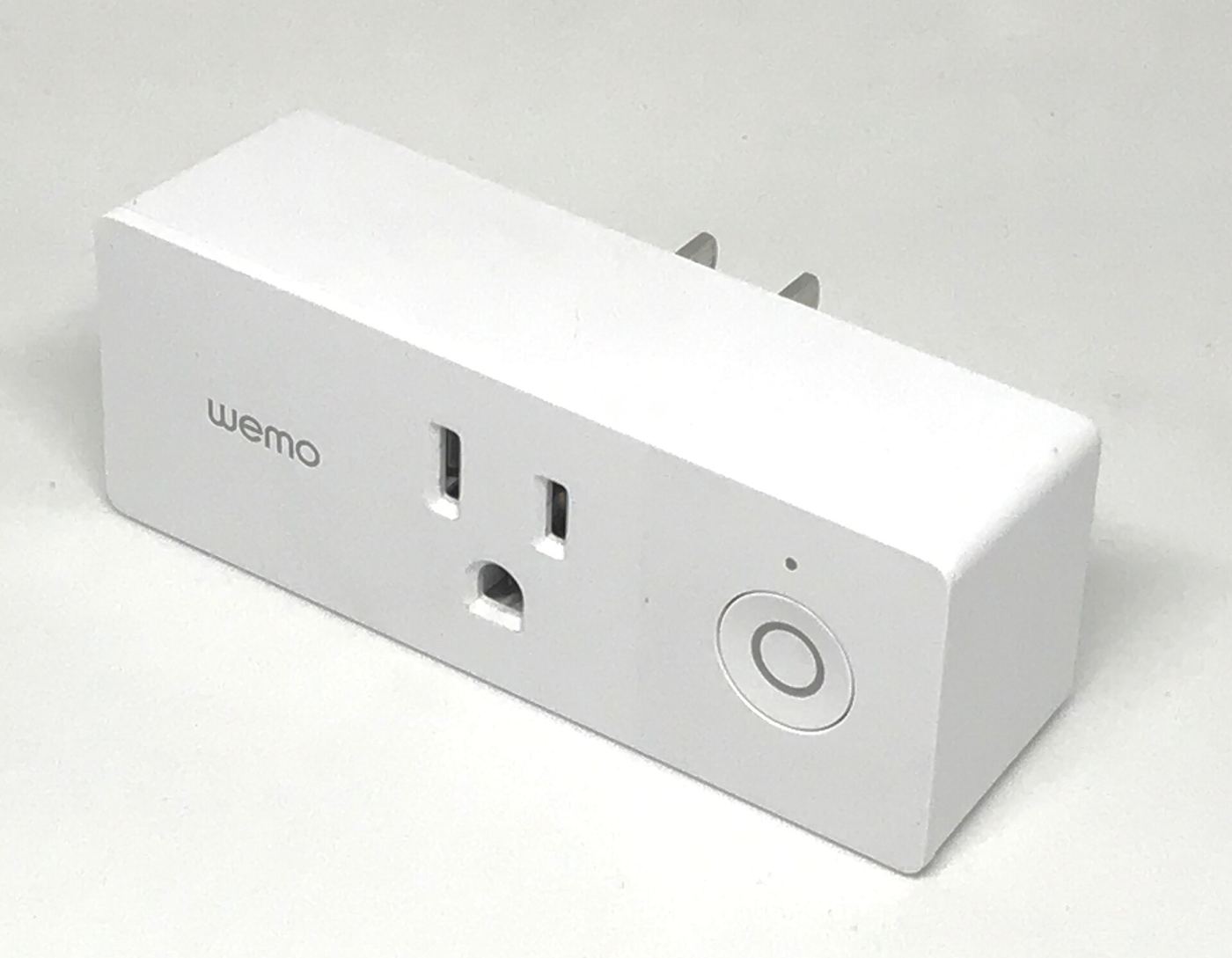
Many household gadgets keep drawing power long after they are switched off, sitting on standby through the night and quietly adding to the electricity bill. A smart plug breaks that habit for a few pounds: it sits between the socket and the appliance, and it can cut the power completely on a schedule or with a tap on a phone. A lamp can switch on at dusk, a fan can turn off at midnight, and a television can stop sipping power while the family sleeps. Some plugs also measure how much energy passes through them, which shows exactly which devices cost the most to leave on. The setup takes minutes, with no wiring and no electrician, and the plug works with the gadgets a home already owns. They also help older relatives, since a lamp or a heater can switch itself on at the same time each evening without anyone reaching for a switch.
What the Evidence Shows
Smart plugs earn their keep in a few everyday jobs. They suit devices that are forgotten in standby, such as game consoles, printers and old televisions, and they make a heater or a coffee machine follow a daily routine without anyone remembering to switch it on. Buyers should check that the plug fits their sockets and matches the power rating of the appliance, since heaters and kettles draw far more than a lamp. A home network that reaches the room matters too, as the plug needs a steady connection to follow its schedule. Some plugs work with voice assistants, so a single spoken command can switch off a whole room. Used thoughtfully, a handful of smart plugs trims the bill and removes a small daily chore. A few plugs around the house can also create a lived-in look while the family is away, with lights switching on and off as if someone were home. Reporting and analysis from sources such as MIT Technology Review track the same developments, and specialists following smart plugs say the direction is now consistent across independent lines of evidence.
The Wider Context
The wider context is an industry learning to ship capability and restraint together. Products built around smart plugs now launch with safety evaluations, usage data and rollback plans as standard, because enterprise buyers and regulators ask for them in the first meeting. Companies that treated those questions as friction are discovering they have become the purchase criteria.
What Happens Next
What happens next for smart plugs depends less on another breakthrough than on the unglamorous work of reliability, pricing and support. The buyers evaluating it now are not enthusiasts; they are operators with budgets and auditors, and their checklists will decide the timeline. On the evidence of the current pilots, the technology has earned the right to be judged by them. You can follow related developments in our coverage of technology.
There is a practical lesson in all of this for readers deciding what to do today. Start with the verified facts, be wary of anyone promising certainty, and prefer reversible steps while the evidence is still developing. Circumstances differ by country, income and personal situation, so general guidance should always be weighed against your own context before you act on it in any significant or lasting way.
