

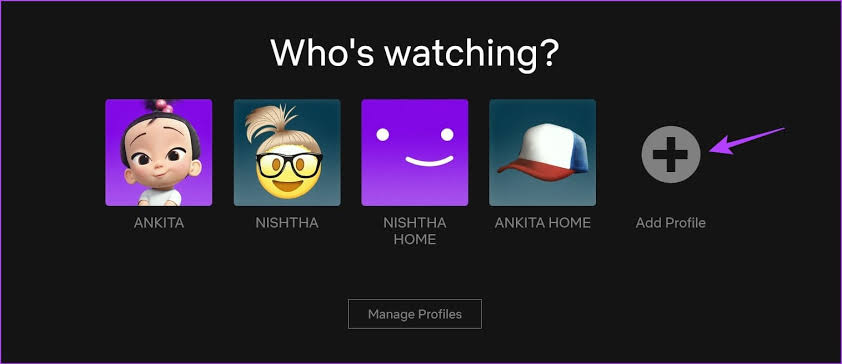
A streaming product can be described with several similar words: account, profile, screen, and device. They do not tell a buyer the same thing. A profile describes part of the viewing experience inside an account. A device is the equipment used to watch. Neither word, on its own, establishes who controls the account or which conditions apply to access.
For someone comparing a shared Netflix offer, separating those questions is more useful than starting with the price. It helps identify what the listing actually provides, what remains under another person’s control, and which details need clarification before payment.
Read the product name as a starting point
Begin with the full description rather than the headline alone. If the headline says shared access, look for an explanation of what is shared. Is it the account, the profile, or both? Do not silently translate a familiar marketing phrase into a more generous arrangement.
The Avndi shared Netflix access listing describes one month using a shared profile inside a shared account, for viewing on one device. Netflix games are excluded. This is not an independently controlled account. Read the current conditions attached to the listing before deciding whether the arrangement fits your needs.
Keep the description associated with the exact product you selected. Two listings on the same shop can use similar images while offering different durations or profile arrangements. A saved product name and order reference make a later support question much easier to explain than a recollection of the shop’s general advertising.
Duration and renewal need separate checks. A stated access period does not explain what happens afterwards or whether recurring payments apply. Read the checkout wording, retain the receipt, and clarify when the period begins if the timing affects your viewing plans.
Distinguish preferences from account control
Netflix profiles can hold viewing-related information such as recommendations, a viewing list, and activity records. Sharing a profile therefore requires different expectations from having a profile used only by you. An unfamiliar entry is not, by itself, evidence about the service’s recommendation system or a particular technical fault.
Consider which parts of the experience matter most to you. Someone who mainly searches for a specific film may use the service differently from a viewer who relies heavily on the continue-watching row. The product description should let you understand the arrangement before those habits become a source of confusion.
A separate-looking profile should not be treated as proof of separate account ownership. If changing credentials or controlling account-level settings is important, ask about those requirements directly. A profile name or icon does not answer them.
Clarify the meaning of device access
The phrase one device can leave a buyer with practical questions. Does the seller mean one simultaneous viewing session, one registered device, or a device chosen at activation? Those are questions to resolve from the actual listing and support instructions, rather than assumptions to make from the phrase alone.
Describe your intended use precisely when seeking clarification. Saying that you plan to watch on a television is more useful than asking whether the subscription works everywhere. If switching between equipment matters, ask about that specific activity before purchasing.
Keep access conditions separate from picture quality. A compatible screen does not automatically establish that every available programme will play at the same resolution. Avoid buying an arrangement solely because one prominent quality label seems to promise a complete viewing experience.
Keep a small personal record outside the profile
If a profile is shared, a short personal viewing record can reduce reliance on information that other viewers may also affect. Record the title, the last episode you completed, and perhaps one sentence about where you stopped. There is no need to copy the service’s whole catalogue.
Choose a format that is easy to maintain. A note on your own device may be sufficient. Separate completed episodes from programmes you merely intend to start, so a quick glance does not create uncertainty about your progress.
Do not put account passwords, payment details, or support verification codes into a public watchlist or a document shared with friends. A viewing note needs to describe your place in the story, not provide another route into an account. Keep screenshots for support limited to the information necessary to explain the problem.
Check service rules as well as seller terms
Netflix’s account sharing guidance says an account may not be shared outside its household. Buying a seller-labelled profile does not remove that requirement or establish official authorisation. Check the applicable service rules alongside the seller’s description.
It is also worth understanding what the seller says will happen if access does not work as described. Look for a clear support route and the information needed to identify the purchase. Do not assume that a duration in the product name also explains every support or replacement condition.
After purchase, follow the provided instructions without changing account details you are not entitled to control. If the result differs from the description, explain the specific difference to support with the order reference and a concise account of what happened. That creates a clearer basis for resolving the issue than repeatedly trying unrelated changes.
The useful outcome of this reading process is a decision based on defined access, not on an attractive label. If an important condition remains unclear, resolve that question before paying rather than hoping the interface will answer it later.
