

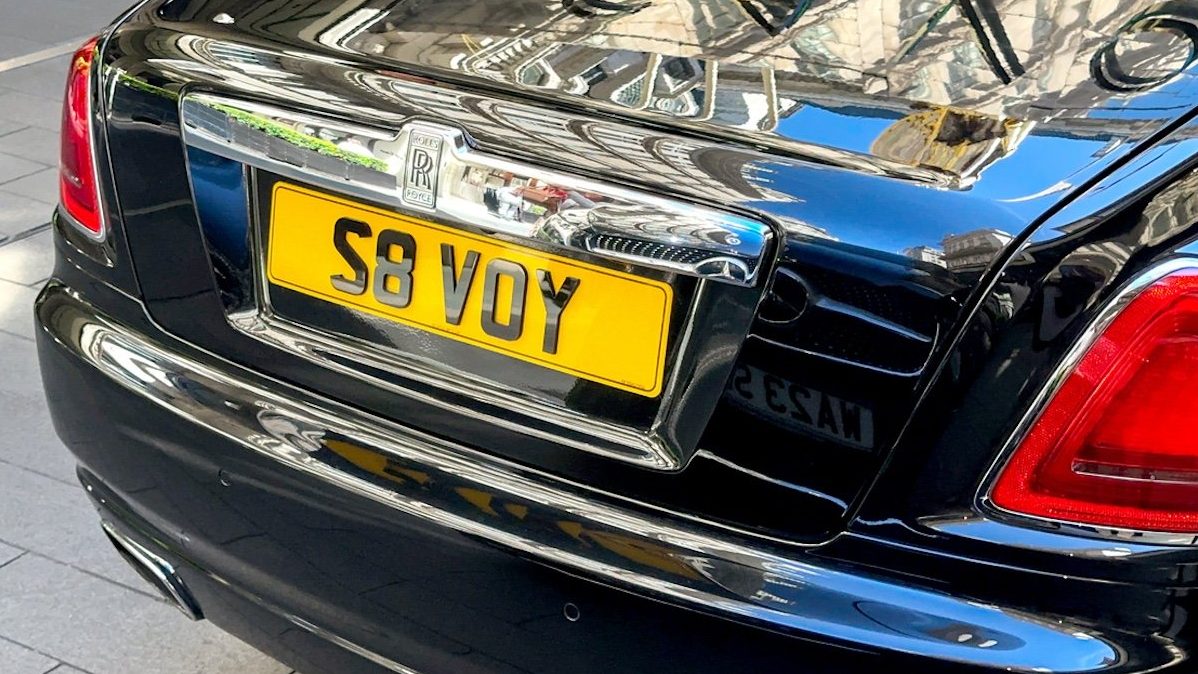
Private number plates are a popular way to personalise a vehicle or secure a registration that reflects a name, brand, or meaningful combination. One of the most common ways to purchase them is through DVLA auctions, where thousands of new registrations are released each year. Understanding how these auctions work can help buyers bid with confidence and avoid unnecessary costs.
Whether you’re buying for personal use or as a long-term investment, knowing the process makes all the difference.
What Are DVLA Auctions?
DVLA auctions are official sales events run by the Driver and Vehicle Licensing Agency. These auctions offer unissued registrations directly to the public, meaning the plates have never previously been assigned to a vehicle. This originality often adds to their appeal and potential value.
The registrations available range from short letter-and-number combinations to plates that can be creatively interpreted as names or words. Demand varies widely, which is why prices can start modestly but rise significantly for highly desirable plates.
How the Auction Process Works
Most DVLA auctions are now held online, making participation easy and accessible. Buyers register in advance, browse the available plates catalogue, and place bids during the auction window.
Each plate has a starting price, and bids increase in set increments. When the auction closes, the highest bidder wins the registration. Winning bidders must then complete payment within a specified timeframe to secure ownership.
What You Receive After Winning
After payment, the plate is issued to you on a certificate rather than being automatically assigned to a vehicle. This gives you flexibility—you can either assign it to a car straight away or place it on retention for future use.
At this stage, many buyers begin exploring how to manage and transfer their DVLA Number Plates, especially if they plan to move the registration between vehicles or hold it as an asset.
Understanding the Costs Involved
The final auction price is not the only cost to consider. In addition to the winning bid, buyers must pay an assignment or retention fee to cover the administrative costs of holding or applying the plate.
There may also be additional expenses later, such as purchasing physical number plates or paying transfer fees if the registration is moved between vehicles. Factoring these into your budget ensures there are no surprises.
Tips for Successful Bidding
Preparation is key. Research similar registrations beforehand to understand market value, and set a firm budget before bidding begins. It’s easy to get caught up in competition, but disciplined bidding helps prevent overpaying.
Flexibility can also work in your favour. If a specific plate attracts heavy interest, alternative variations may offer better value while still achieving the desired look or meaning.
Final Thoughts
DVLA auctions provide a transparent and reliable way to purchase private number plates directly from the source. By understanding how the process works, what costs to expect, and how to approach bidding strategically, buyers can make informed decisions.
Whether for personal expression or investment purposes, DVLA Number Plates acquired through auction offer authenticity, exclusivity, and long-term appeal when chosen with care.
