

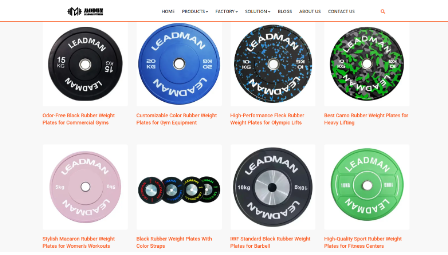
Key Factors
When choosing rubber weight plates for strength training, understanding the factors that influence their cost is essential to making a well-informed decision. Rubber weight plates can vary significantly in price, depending on several key elements such as material quality, plate type, design, brand reputation, and special features. Each of these factors plays a role in the overall cost and should be carefully considered based on your lifting needs and budget.
Material Quality
The quality of the rubber used in weight plates plays a key role in determining their price and longevity. Virgin rubber, made from new, non-recycled materials, is considered the highest quality. Plates made from virgin rubber are more durable, resistant to wear, and better at absorbing shock, making them ideal for heavy lifting or commercial environments where plates are used frequently. Leadman Fitness offers a range of virgin rubber weight plates, ensuring long-lasting durability and superior performance.
In contrast, recycled rubber is made from repurposed materials, making it more affordable. While still durable, recycled rubber weight plates may not have the same resistance to cracking or wear over time as virgin rubber plates. For those on a tighter budget, recycled rubber plates offer a cost-effective solution.
Olympic weight plates are typically made from high-quality virgin rubber or other durable materials to withstand the rigorous demands of Olympic lifting. These plates are specifically designed to be dropped from height without compromising their integrity, making them perfect for competitive athletes and commercial gym settings.
Plate Type and Design
The type of plate and its design are key factors that influence the cost of rubber weight plates. Bumper plates are specifically designed to withstand the impact of being dropped, which is common in Olympic lifting. These plates are made with dense rubber and help absorb shock, reducing noise and protecting the floor from damage.
Hi-impact bumper plates are made from superior materials that can handle repeated heavy drops without cracking or becoming damaged. These plates are a great choice for strength training environments where dropping weights is frequent.
Additionally, competition bumper plates are designed for accuracy in weight measurements, often featuring a steel insert for added strength and a color-coded system for easy identification. These plates also tend to have a thinner profile, allowing more weight to be loaded onto the barbell.
Weight Range and Increments
The weight range and increments available in rubber weight plates will also affect their price. Plates that come in a wide variety of weights, from 2.5 lbs to 45 lbs or even higher, provide more flexibility for training. Change plates, which allow lifters to make small, precise adjustments to the barbell, are an important addition for those looking for exact weight increments. These smaller plates are essential for fine-tuning workouts and achieving more precise progress in training.
Some plates also come with dual-lb/kg systems, which provide more versatility for athletes using both imperial and metric systems. Plates with such dual functionality tend to cost more due to their additional design and manufacturing considerations.
Brand and Reputation
The reputation of the manufacturer or brand plays an important role in the overall cost of rubber weight plates. Established brands with a reputation for high-quality products, rigorous testing, and durability typically charge a premium for their plates. These brands often offer longer warranties, providing better long-term value for those who use the plates frequently.
On the other hand, lesser-known manufacturers may offer more affordable options that still meet the basic requirements for strength training. These plates may not have the same level of quality control, but they can still be a good option for those who are less concerned with top-tier durability.
Special Features
Certain specialty features can add to the cost of rubber weight plates. Thin-profile bumper plates, for instance, are designed to take up less space while allowing for more weight to be loaded onto the barbell. This design is ideal for athletes who need to load heavy amounts of weight but want to minimize the size of their plates.
Some plates come with steel inserts, which improve their durability and ensure a longer lifespan. These plates are typically more expensive because the manufacturing process is more precise and requires additional materials.
Additionally, some rubber plates are coated with polyurethane or other protective layers, which help them resist wear and tear over time. These additional layers of protection increase the cost, but they provide extra durability, particularly in high-traffic gym environments.
Shipping and Additional Costs
The weight and size of rubber weight plates also affect the shipping cost. Since weight plates are heavy, the cost of shipping can be substantial, especially for bulk orders. Some sellers offer free shipping or discounted rates for large orders, but it’s important to factor this into the total cost when making a purchasing decision.
If you require customized plates, such as those with specific color coding or logos, additional costs may apply. While these customizations can make the plates more visually appealing or functional, they can also raise the price of the product.
