

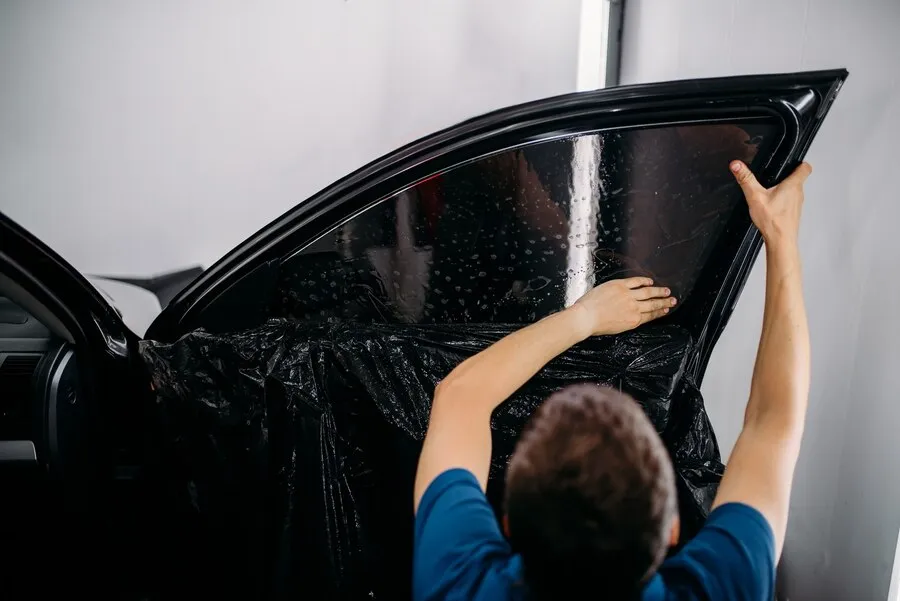
Yes, window tinting can help improve fuel efficiency by reducing heat buildup in your vehicle. By blocking infrared heat and UV rays, tinted windows lower cabin temperature, decreasing reliance on air conditioning. Less air conditioning usage means reduced fuel consumption, making window tinting a practical way to improve miles per gallon (MPG) and cut fuel costs.
Introduction: More Than Just a Stylish Upgrade
When people think about window tinting, they often consider privacy, aesthetics, or UV protection. But did you know it can also boost fuel efficiency?
Extreme heat inside your car forces the air conditioning system to work harder, leading to higher fuel consumption. Window tinting helps regulate temperature by reducing solar heat absorption, lowering air conditioning usage, and ultimately saving fuel.
But how much of a difference does it really make? And is it enough to justify the investment? Let’s break down the connection between window tinting and fuel efficiency to see if it’s worth considering.
The Hidden Link Between Window Tinting and Fuel Economy
Window tinting isn’t just about looks—it actively influences your vehicle’s energy efficiency.
How? It all comes down to heat transfer. When your car is exposed to direct sunlight, the glass windows allow heat to enter, trapping infrared heat inside. This raises cabin temperature, making the air conditioning unit work overtime.
Tinted windows act as a barrier against heat buildup, reflecting infrared light and reducing heat absorption. The result? A cooler cabin that requires less air conditioning, leading to lower fuel consumption.
According to the U.S. Department of Energy, air conditioning can reduce fuel economy by up to 25% in extreme heat. If tinting helps minimize air conditioning usage, you could see noticeable fuel savings over time.
How Direct Sunlight Wrecks Your Fuel Efficiency
Leaving your car in direct sunlight on a hot summer day turns it into an oven. South-facing windows absorb more solar heat, causing extreme temperature buildup.
This excessive heat penetration forces your air conditioning system to work harder, which directly impacts fuel consumption performance.
Real-World Example:
Imagine two identical cars parked in the sun—one with window tint and one without. The tinted car will have a cabin temperature up to 60% cooler than the non-tinted car. This means the driver of the tinted car can run the A/C less aggressively, conserving fuel.
The impact is even more noticeable in warmer climates like Florida, Texas, or Arizona, where air conditioning efficiency plays a major role in fuel costs.
Cooler Cabin, Lower Fuel Costs: The Air Conditioning Factor
Your air conditioning usage directly affects your fuel economy.
Studies show that running A/C at full blast can lower miles per gallon (MPG) by 20-25%, especially in city driving, where stopping and starting increases fuel demand.
How Window Tint Helps:
- Blocks up to 99% of harmful ultraviolet rays
- Reduces infrared heat absorption, lowering cabin temperature
- Minimizes intense air conditioning reliance, leading to fuel savings
Did you know? A quality window tint can reduce cabin temperature by up to 45°F, significantly decreasing your need for excessive air conditioning.
Debunking the Myth: Does Tint Really Affect MPG?
Many drivers assume window tinting has no impact on fuel efficiency, but science proves otherwise.
Common Myth:
“Window tinting is just for privacy and aesthetics—it doesn’t affect fuel consumption.”
Reality:
Studies confirm that heat reduction from window tinting leads to lower A/C usage, which directly improves fuel efficiency.
In city driving, where stop-and-go traffic increases fuel burn, reducing A/C load by even 10% can improve MPG by 2-3%.
On highways, the difference is smaller but still noticeable over time, especially in hot climates.
How Window Tinting Pays for Itself in Fuel Savings
Many drivers hesitate to invest in tinted windows because of the upfront cost. But consider the long-term savings on fuel costs.
Breakdown of Cost vs. Savings:
- Average tinting cost: $200–$500 (depending on vehicle and tint type)
- Annual fuel savings: $100–$300 (based on reduced A/C usage)
- Break-even point: 1–3 years, after which tinting starts paying for itself
Example: If your car typically gets 25 MPG, and window tinting improves efficiency by just 3%, that’s an extra 0.75 miles per gallon saved. Over 50,000 miles, that’s an additional 1,500 miles driven on the same amount of fuel.
Advanced Technology: The Science Behind Modern Window Films
Not all window tints are the same. The latest modern window tinting materials use nanotechnology-based heat rejection to maximize fuel efficiency.
Types of Tinting for Maximum Fuel Efficiency:
- Dyed Films: Basic heat absorption, lower cost
- Metallic Films: Reflect heat but may interfere with signals
- Ceramic Coatings: Best for heat rejection, UV protection, and long-term fuel savings
A ceramic tint can block up to 80% of infrared heat, making it the best option for improving fuel efficiency.
The Eco-Friendly Driver’s Secret Weapon for Sustainability
Every gallon of fuel saved means fewer fossil fuel emissions.
By reducing your air conditioning reliance, window tinting helps lower your vehicle’s carbon footprint.
For eco-conscious drivers, this is an easy step toward a sustainable future, minimizing your impact on fuel consumption while enhancing driving comfort.
More Than Just Fuel Savings: Other Benefits of Window Tinting
Aside from fuel economy, window tinting offers additional practical benefits:
- Enhanced automotive privacy
- Long-lasting protection against UV damage and paint correction needs
- Reduced glare for a clearer visibility and safer night driving
- Aesthetic appeal that enhances vehicle resale value
What About Window Tint Laws? Know Before You Tint
Before booking a window tinting appointment, check window tint laws in your state.
Key Considerations:
- Legal darkness levels vary by location
- Some states allow darker-tinted windows only on rear glass
- Ensure you use expert window tinting services for compliance
A professional automotive window tint can help you choose the best tint without legal issues.
Conclusion: A Small Change That Leads to Big Savings
So, does window tinting help fuel efficiency? Absolutely.
By reducing heat absorption, lowering A/C reliance, and improving MPG, tinted windows offer a practical and cost-effective way to save fuel.
Want to cut fuel costs and drive more comfortably? Book your window tinting appointment today and start saving.
