

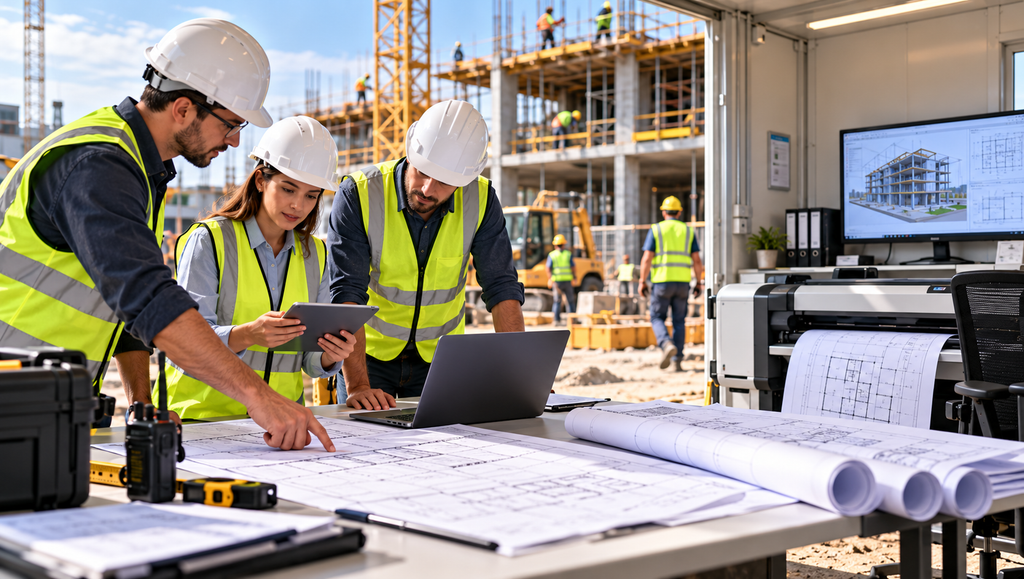
Construction projects depend on accurate information reaching the right people at the right time. Whether coordinating subcontractors, reviewing architectural drawings or managing deliveries, effective communication is essential for keeping work on schedule.
Unlike many office-based industries, construction businesses operate across constantly changing environments. Teams move between building sites, temporary offices and headquarters, often working with multiple contractors and suppliers.
This creates particular challenges for technology management. Managed IT & print services for construction can help businesses maintain access to project information, manage technical documentation and support communication between locations.
Connecting Construction Sites and Office Teams
A construction project may involve dozens of people working across different locations. Architects might update drawings from their offices while site managers need immediate access to the latest specifications.
Without reliable systems, important updates can be missed, potentially leading to mistakes or delays.
Improving Communication Across Multiple Sites
Modern technology solutions for construction businesses include cloud-based project platforms, mobile applications and secure remote access systems.
These technologies allow site teams to upload progress photographs, report issues and review documents without travelling back to the office.
For example, a site supervisor identifying a discrepancy in a structural drawing can share photographs and comments with the design team, allowing the issue to be reviewed before further work takes place.
Managing Drawings and Technical Documentation
Construction businesses produce and receive substantial amounts of documentation throughout a project’s lifecycle.
Architectural plans, engineering calculations, risk assessments, method statements and building specifications must remain organised and accessible.
Why Document Version Control Matters

Drawings frequently change as projects progress. An updated electrical layout or revised structural specification may affect several contractors working on the same site.
If outdated information remains in circulation, teams risk completing work using incorrect instructions.
Digital document management systems can maintain revision histories, record approvals and identify the latest authorised versions.
Clear document control procedures are particularly important when information moves between digital platforms and printed copies.
The Importance of Managed Printing in Construction
Although digital technology has changed how construction information is shared, physical documents remain important on building sites.
Large-format drawings, site layouts, inspection checklists and health and safety information often need to be printed for practical use.
Controlling Printing Costs and Equipment Reliability
Implementing managed print for construction can help businesses understand printing requirements across offices and project locations.
Construction companies may use standard multifunction printers for administrative documents alongside specialist equipment for architectural drawings and technical plans.
Monitoring print volumes, equipment performance and consumable usage can help identify unnecessary expenditure.
Reliable printing equipment is especially important when revised drawings or essential documentation are required at short notice.
Protecting Construction Businesses Against Cyber Threats
Construction companies handle commercially sensitive information, including tender submissions, supplier pricing, contractual agreements and financial records.
Cybersecurity incidents can interrupt operations and expose confidential information.
Securing Information Shared With Contractors
External contractors often require access to selected project files, creating additional considerations for data security.
Role-based permissions, multi-factor authentication and secure file-sharing platforms help control who can access particular documents.
Regular backups and software updates provide further protection against data loss and system vulnerabilities.
Access should also be reviewed when contractors complete their involvement in a project.
Using Digital Technology to Improve Site Efficiency

Digital construction technology extends beyond computers and document management.
Building Information Modelling (BIM), digital surveying equipment and mobile inspection applications are changing how projects are planned and monitored.
Reducing Errors Through Better Information Sharing
BIM enables project teams to work with coordinated digital building models containing structural, architectural and building services information.
These models can help identify potential conflicts, such as pipework intersecting with structural elements, before installation begins.
Mobile inspection tools also allow teams to record defects, assign corrective actions and maintain digital evidence of completed work.
Supporting Temporary Construction Site Offices
Temporary site offices present different IT challenges from permanent workplaces.
Connectivity may be limited, equipment must withstand frequent relocation, and the number of users can change throughout a project.
Planning Technology Around Project Requirements
Wireless networks, portable devices and secure cloud systems can provide flexibility as construction activities progress.
Businesses must also consider how equipment will be installed, maintained and transferred between projects.
Planning these requirements early can reduce disruption when new sites become operational.
Preparing for the Future of Digital Construction
As construction technology develops, businesses will increasingly need systems capable of supporting connected equipment, digital reporting and automated processes.
A structured approach to IT maintenance, cybersecurity and document management can help organisations adapt without compromising existing operations.
Ultimately, effective technology management is about more than maintaining computers and printers. It supports the accurate exchange of information, helping construction teams coordinate activities, reduce avoidable errors and maintain continuity from initial planning through to project completion.
