

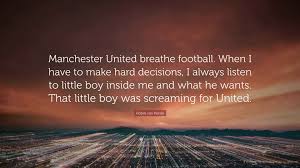
In the world of football, managers are judged not only by their tactics and trophies but also by their words. A single quote from a coach can inspire a team to victory, unite supporters, or spark controversy that overshadows results on the pitch. For Manchester United, one of the most iconic clubs in football history, the words of their coaches have often carried enormous weight.
From Sir Alex Ferguson’s sharp one-liners to modern managers’ media soundbites, harsh quotes from Manchester United coaches have shaped the narrative around the club. Sometimes, these words served as motivation; other times, they created rifts between players, fans, and the press.
This article explores the power, impact, and legacy of those quotes, spanning generations of United managers.
The Power of Words in Football Management
In football, strategy and tactics may win matches, but words often decide how those moments are remembered. Coaches use speeches in dressing rooms, press conferences, and post-match interviews as tools to communicate values and expectations.
A well-timed harsh remark can:
- Motivate players to raise their performance.
- Deflect pressure from the squad by shifting attention to the coach.
- Establish authority within the club hierarchy.
However, when words cross certain lines, they risk creating divisions. Manchester United’s history provides countless examples where quotes became defining moments—proof that language is as much a weapon as formation or strategy.
Legendary Quotes from Sir Alex Ferguson
Sir Alex Ferguson’s reign from 1986 to 2013 produced some of the most unforgettable quotes in football. Known for his fiery temper and razor-sharp wit, Ferguson used words as psychological tools both inside and outside Old Trafford.
Some famous examples include:
- “Lads, it’s Tottenham.” Ferguson allegedly said this before facing Spurs, implying that the opponent lacked mental toughness. It became symbolic of his confidence and ability to downplay rivals.
- On referees: “Sometimes you look in a referee’s eyes and you see he’s afraid.” His sharp criticism often placed pressure on officials in future matches.
- On Manchester City: Ferguson once referred to them as “the noisy neighbours,” a phrase that stuck for years.
These quotes reinforced his dominance. They made players and fans believe in United’s superiority while simultaneously unsettling rivals.
The question remains: can modern managers replicate Ferguson’s mastery of words without alienating today’s more sensitive football environment?
Quotes That Motivated Players to Perform
Not all harsh quotes are destructive. Ferguson and other managers often used tough language to push players toward greatness.
For instance:
- The “hairdryer treatment”: Ferguson’s infamous dressing-room rants became legendary. While harsh, they instilled discipline and fear that often translated into improved performances.
- Criticism of David Beckham (2003): After a decline in form, Ferguson bluntly questioned Beckham’s commitment, suggesting fame distracted him. Beckham soon left for Real Madrid, but the episode highlighted how harsh quotes could alter careers.
- José Mourinho’s comments on Luke Shaw (2017): Mourinho criticized Shaw’s fitness and commitment, sparking debates. Though divisive, Shaw eventually rebuilt his form and became a key player again.
These examples show the duality: sometimes harshness inspires resilience, but other times it risks damaging confidence.
When Harsh Words Cross the Line
While sharp quotes can motivate, they can also alienate. Managers who push too far risk breaking trust with players or fans.
Examples include:
- Mourinho on Paul Pogba: Publicly stripping Pogba of vice-captaincy and criticizing him created open conflict, destabilizing the squad.
- Louis van Gaal on his critics: His harsh dismissal of questions often came across as arrogance, leaving fans frustrated.
- David Moyes’ comments (2014): Suggesting Manchester United should “aspire to play like Manchester City” angered supporters who saw it as undermining United’s identity.
When coaches cross that line, their words linger longer than their results, shaping their legacy more through controversy than achievement.
Media Headlines and Fan Reactions
The media amplifies every remark from United coaches, often turning comments into viral headlines. A phrase uttered in frustration becomes tomorrow’s front-page story.
Fans, too, play a key role. Some see harsh words as signs of passion and honesty, while others interpret them as disrespect toward players or the club’s heritage.
For example, Mourinho’s blunt assessments divided opinion—some fans admired his straightforwardness, others thought it harmed team morale. In Ferguson’s case, his fiery quotes were often celebrated because results backed them up.
Digital platforms and fan communities further magnify reactions. Spaces like ufabet168เข้าสู่ระบบ allow global supporters to engage in discussions, debating whether harsh quotes reflect strong leadership or destructive negativity.
Comparing Different Coaching Styles at Manchester United
The contrast between United’s managers highlights how styles of communication affect their legacies:
- Ferguson: Authoritative, witty, and psychological. His harshness often came with proven success, softening the blow.
- Moyes: His caution and humility sometimes came across as weakness, with his rare harsh quotes sparking criticism.
- Van Gaal: Philosophical yet confrontational, often dismissing journalists with sharpness that polarized fans.
- Mourinho: The “Special One” thrived on controversy. His harsh quotes generated drama, but results didn’t always match.
- Ole Gunnar Solskjær: More diplomatic, avoiding harsh remarks, but criticized for lacking authority compared to predecessors.
This comparison shows that harsh quotes are neither inherently good nor bad—they depend on timing, results, and perception.
The Psychological Impact on Players and Team Dynamics
Words are psychological tools. In United’s dressing room, harsh quotes have had both constructive and destructive consequences:
- Positive effects: Players under Ferguson often used his fiery words as fuel to prove themselves. This created unity through fear and respect.
- Negative effects: Under Mourinho, public criticism sometimes fractured relationships. Pogba and Shaw are prime examples of players affected by constant scrutiny.
The balance is delicate. Too much harshness risks creating divides, while too little authority leaves players complacent. For Manchester United, finding this balance remains a crucial part of coaching philosophy.
The Future of Communication in Football Coaching
Football today is global, media-saturated, and increasingly sensitive to mental health issues. Coaches must adapt their communication styles to a new era. Harsh quotes will still exist, but they will be weighed against modern values of empathy, respect, and inclusivity.
We can expect future Manchester United coaches to:
- Use private conversations instead of public criticism.
- Balance directness with encouragement, maintaining authority without humiliation.
- Adapt to digital scrutiny, knowing every word becomes global instantly.
The legacy of Ferguson and Mourinho shows that words can define eras. Yet the future will demand coaches who inspire without alienating, and critique without breaking spirits.
For fans wanting to dive deeper into football narratives, platforms like แทงบอลออนไลน์ provide engaging spaces to connect passion with the evolving stories of the sport.
Conclusion
Harsh quotes from Manchester United coaches are part of the club’s identity. From Ferguson’s iconic one-liners to Mourinho’s polarizing critiques, these words have influenced matches, players, fans, and the club’s global image.
They remind us that in football, leadership is not just about formations or results—it’s about communication. The right words at the right time can make players legends. The wrong ones can shatter unity.
As the game evolves, so too must the art of communication. For Manchester United, the challenge lies in finding coaches who can harness the power of words—firm but fair, passionate but respectful—to continue building the legacy of one of football’s greatest institutions.
