

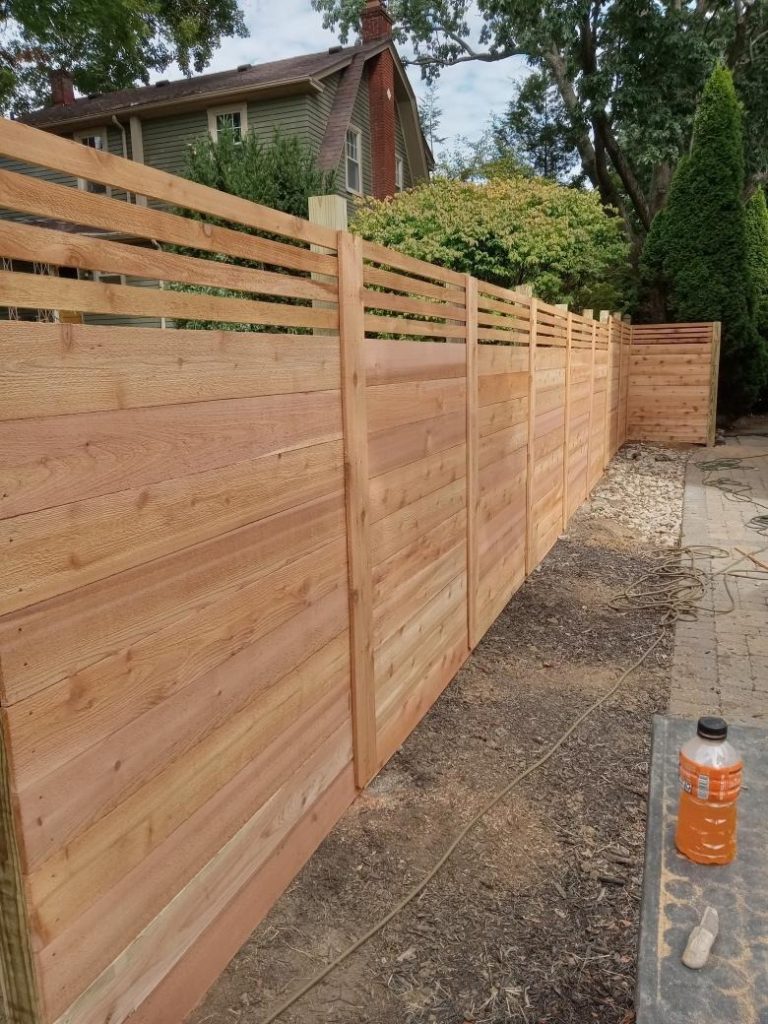
There is a certain magic to the American backyard. It’s where the dog learns to play fetch, where the kids run through the sprinkler on a hot July afternoon, and where neighbors gather for barbecues that last well past sunset. But to truly enjoy that slice of outdoor paradise, you need the right perimeter. A fence is more than just a boundary; it is the frame for the picture of your life at home.
At Ashlee Fence Company, we have spent years helping homeowners transform their properties. We have dug the post holes, poured the concrete, and hung the gates. We know that installing a fence is a significant investment and a big decision. It isn’t something you do every year, which means you probably have a lot of questions. Over the years, we have seen the trends come and go, but the fundamentals of a great fence remain the same. To help you navigate the process, we have compiled the top 10 things you really need to consider before breaking ground. Whether you are looking for privacy, security, or just a little curb appeal, this guide is for you.
1. Define Your Purpose: What Job is the Fence Doing?
Before you even look at a catalog or browse Pinterest, you need to answer one simple question: Why do you want a fence? It sounds obvious, but different goals require very different solutions. Are you trying to keep a 100-pound German Shepherd contained? Are you trying to block the view of a busy street? Or are you just trying to define your property line so the neighborhood kids don’t use your lawn as a shortcut?
If security is the main goal, you need height and strength—something an aluminum or tall vinyl fence provides perfectly. If privacy is the mission, a solid board wood fence or a tongue-and-groove vinyl option is the way to go. If you just want to keep the dog in without losing the view of the woods behind your house, a black chain link or an ornamental aluminum fence might be the perfect “invisible” barrier. Knowing the primary job of the fence will narrow down your options immediately and save you from falling in love with a style that doesn’t meet your practical needs.
2. Material Matters: Choosing Your Look and Maintenance Level
Once you know the function, it is time to talk about form. The material you choose dictates the look of your yard and, perhaps more importantly, how much work you will be doing on weekends for the next decade. At Ashlee Fence, we work with a variety of materials, and they all have their superpowers.
Wood is the classic choice. It offers that natural, warm aesthetic that smells like cedar and feels like home. However, wood is organic. It requires staining or sealing every few years to keep it looking fresh and to prevent rot. Vinyl, on the other hand, is the low-maintenance champion. It doesn’t rot, it doesn’t need painting, and it cleans up with a garden hose. It has come a long way from the shiny plastic look of the 90s; modern vinyl is textured and durable. Then there is aluminum—elegant, rust-resistant, and perfect for that stately “wrought iron” look without the maintenance. Choosing the right material is a balance between the aesthetic you love and the amount of maintenance you are willing to commit to.
3. The Rules of the Game: HOAs and Zoning
Nothing stops a project faster than a letter from the Homeowners Association or a visit from the city inspector. Before we put a single shovel in the ground, you need to know the rules of your specific location. Every municipality has zoning laws regarding fence height, setbacks (how far the fence must be from the road or property line), and visibility.
If you live in an HOA, the rules can be even stricter. They might dictate the color, the material, or even the style of the post caps. We have seen HOAs that only allow white vinyl, and others that strictly enforce black aluminum. We always recommend getting your plans approved in writing before scheduling the installation. We can help provide the specs and drawings you need, but doing your homework on the front end prevents the nightmare scenario of having to take down a brand-new fence because it violated a bylaw.
4. Understanding the Cost Factors
Let’s talk about the elephant in the room: cost. We know that budget is a huge factor in any home improvement project. The price of a fence is determined by three main things: the amount of material (linear footage), the type of material, and the difficulty of the terrain. A flat, square backyard is easier to fence than a rocky, steep hill with five mature oak trees in the way.
When you are planning your budget, it is helpful to have a realistic baseline. We believe in transparency because nobody likes surprise bills. You can explore our current Fence Prices to get a better idea of what different materials and styles cost per foot. Remember, the cheapest option upfront isn’t always the cheapest option over time. A wood fence might cost less to install today than vinyl, but when you factor in the cost of stain and maintenance over 15 years, the gap narrows significantly.
5. Respecting the Property Line
We have a saying in the industry: “Good fences make good neighbors, but bad placement makes for bad lawsuits.” One of the most critical steps in the process is knowing exactly where your property ends and your neighbor’s begins. It is tempting to assume that the row of bushes or the old rusty wire is the line, but those markers can be deceiving.
We highly recommend having a survey done if you can’t find your property pins. Installing a fence six inches onto your neighbor’s land gives them the legal right to tear it down. We also discuss “fence etiquette.” In most places, the “good side” (the finished side without the rails) should face outward toward the neighbor or the street. It’s a small detail, but it goes a long way in maintaining harmony in the neighborhood. We want your fence to be a source of pride, not a source of contention.
6. Terrain and Grading: The “Racking” vs. “Stepping” Debate
Very few yards are perfectly flat like a pool table. Most have slopes, bumps, and dips. When installing a fence on uneven ground, you have two main choices: racking or stepping. “Racking” means the fence rails follow the slope of the ground. This keeps the gap at the bottom of the fence consistent, which is crucial if you are trying to keep a small dog inside.
“Stepping” means the fence sections remain level, like stairs. This looks very architectural and stately, but it creates triangular gaps at the bottom of each section where the ground slopes away. If you have a Chihuahua, those gaps are escape hatches. Understanding your terrain helps us guide you toward the right style. Aluminum racks very well, while solid panel vinyl often has to be stepped. We look at the topography of your yard to recommend the method that looks best and functions safely.
7. Think About the Gates
Gates are the moving parts of the fence, the hardware that gets used every single day. A poorly placed gate can be a daily annoyance. When we design a layout, we think about flow. You need a gate wide enough for your lawnmower (and maybe a future riding mower). If you have a pool, you need self-closing, self-latching hardware to meet safety codes.
We also encourage you to think about future access. Will you ever need to get a pickup truck or a bobcat into the backyard for a renovation project or tree removal? Installing a double drive gate now is much cheaper than tearing out a fence section later. We build our gates with structural integrity in mind, using bracing to prevent sagging, because there is nothing worse than a gate that drags across the patio.
8. Making the Investment Manageable
We understand that a high-quality fence is a major purchase. It adds value to your home, security to your family, and beauty to your landscape, but it also has a price tag. We don’t want you to have to compromise on quality or choose a material you don’t love just to fit a short-term cash flow constraint.
That is why we offer options to help spread the cost out. Financing a fence allows you to get the security and privacy you need right now while paying for it over time. This flexibility often means you can upgrade to that premium vinyl or decorative aluminum you really want, rather than settling for a temporary solution. We want this fence to last you for decades, so it makes sense to invest in the right product from day one.
9. The Importance of Professional Installation
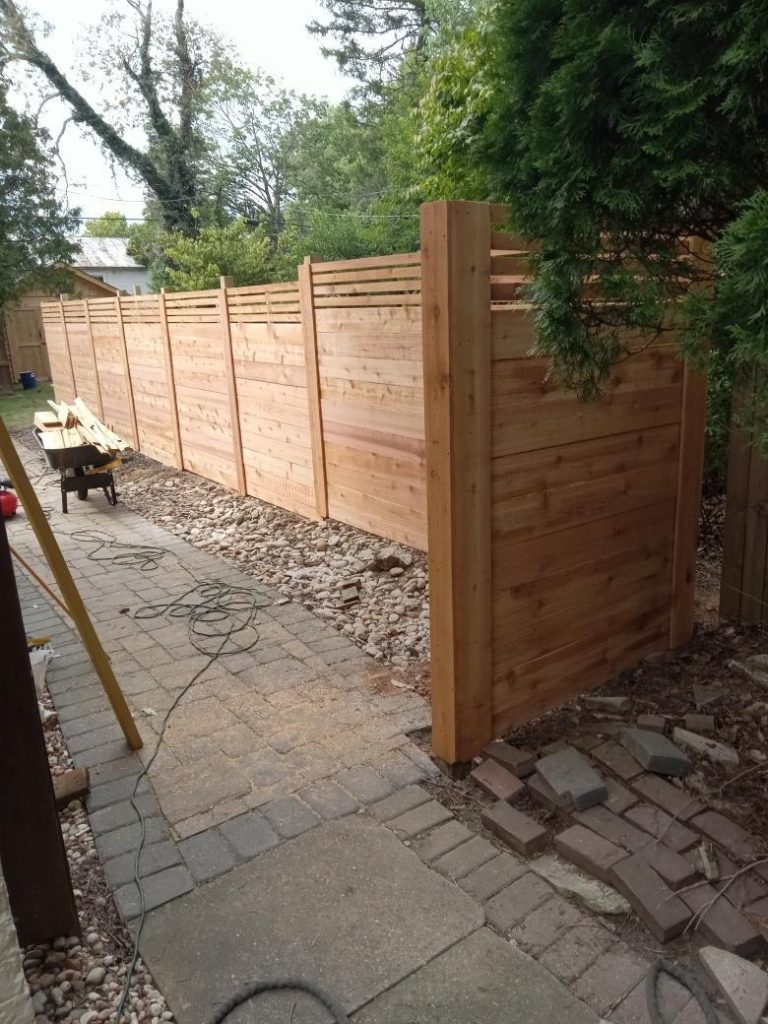
In the age of YouTube tutorials, many homeowners consider the DIY route. We respect the hustle, but fencing is harder than it looks. It’s not just digging holes; it’s digging holes to the correct depth (below the frost line) so the posts don’t heave up in the winter. It’s about mixing concrete to the right consistency. It’s about using a string line and a level to ensure the fence is perfectly straight and plumb.
A DIY fence might look okay on day one, but by year two, posts often start to lean, and gates start to stick. Professional installation ensures that the structural engineering of the fence is sound. We have the heavy equipment to deal with roots and rocks that would break a manual post-hole digger. We have the laser levels to ensure the grade is perfect. When you hire Ashlee Fence, you are paying for the peace of mind that comes with knowing the job is done right and will stand up to the wind and weather.
10. Check the Warranty
Finally, always look at the warranty. A fence sits outside in the rain, snow, sun, and wind 24/7, 365 days a year. You want to know that the manufacturer stands behind their product and that the installer stands behind their workmanship.
At Ashlee Fence, we partner with manufacturers who offer robust warranties on their materials—often lifetime warranties on vinyl and aluminum products. But we also stand by our labor. If a gate needs adjusting or a post settles, we want to know about it. Your fence is our reputation. We build them to last because we live and work in this community, and we want to drive past your house ten years from now and still see that fence standing tall and looking great.
Conclusion
Installing a fence is a journey, but it doesn’t have to be a stressful one. By considering these ten factors—from purpose and material to budget and installation—you are setting yourself up for success. We love what we do because we get to see the immediate impact it has on a family’s life. Suddenly, the backyard becomes a private sanctuary. The dog can run free. The kids are safe.
If you are ready to take the next step, we are here to help. We can walk the property with you, discuss your vision, and give you a quote that makes sense. Let’s build something beautiful together.
