

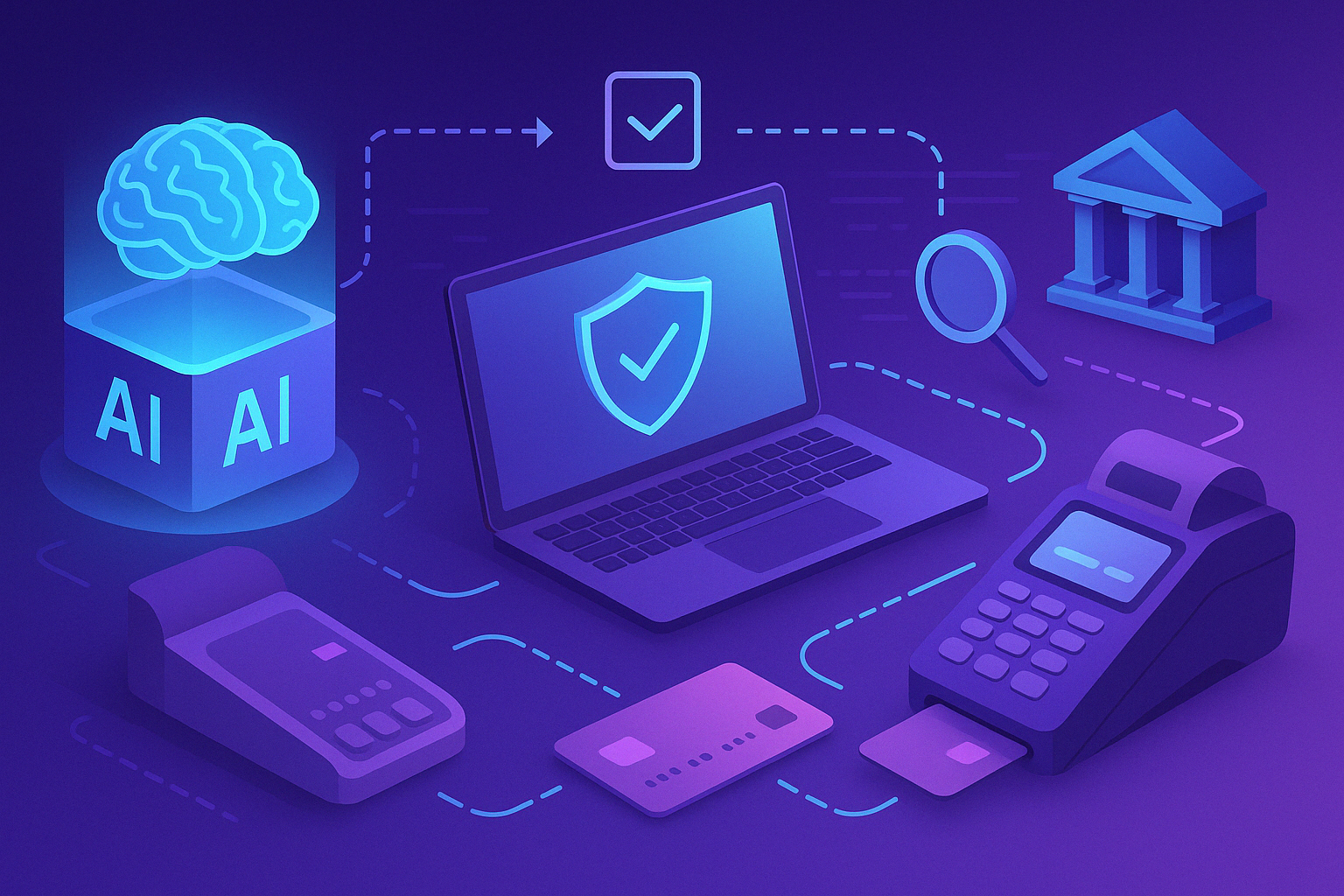
Payment proofs like receipts and screenshots of transactions, as well as invoices, are crucial in today’s digital economy. They confirm financial activity. They are used by businesses to verify transactions, approve refunds and process disputes. Fraudsters exploit artificial intelligence to create payment proofs that are alarmingly accurate as it becomes increasingly powerful and available. AI-generated receipts and AI-edited ones are a threat to all businesses.
It is essential to protect revenue, customer trust, and efficiency by understanding how fraud works.
The Rise of AI-Manipulated Payment Proofs
Fake payment proofs have been relatively easy to spot in the past. Fraudsters were often spotted by poor formatting, inconsistencies with fonts or editing errors. This is not the case anymore. AI-based tools are able to generate and modify receipts that look very authentic. They can mimic real payment platforms as well as bank statements, digital wallets, or even actual payments.
With just a few prompts, AI can:
- Alter transaction amounts
- Change dates and reference numbers
- Replace recipient names
- Recreate branding, logos, and layouts of legitimate platforms
These fake proofs can be used by fraudsters to get false refunds or vendor payments. They also bypass the manual verification process. The line between fake and real continues to become blurrier as AI advances.
Why Businesses Are Especially Vulnerable
Most organizations still use manual checks and visual inspections to confirm payment proofs. It is time-consuming and relies heavily on the judgment of humans. This makes this approach vulnerable to errors–especially if AI-generated documents look perfect.
Industries that are particularly at risk include:
- E-commerce and online marketplaces
- Fintech and digital payment providers
- Freelance and gig platforms
- Accounting and finance teams
- Customer support and refund departments
A small number of fraudulent claims that are successful can result in financial loss, issues with compliance, or damage to the brand’s credibility.
Key Signs of AI-Manipulated Receipts
AI-generated proofs of payment can look convincing, but they are often accompanied by subtle digital fingerprints. Some warning signs include:
- Metadata inconsistencies that don’t match the claimed transaction
- Pixel-level anomalies from AI image generation
- Unusual alignment or spacing inconsistencies
- Identical patterns reused across different receipts
- Mismatches between transaction IDs and real payment systems
It is getting increasingly hard to identify these problems manually. Automated fraud detection software is essential in this situation.
The Role of Fake Receipt Detector in Fraud Prevention
Businesses are using intelligent tools such as Fake Receipt Detector to combat the growing problem. This solution is designed specifically to identify AI-manipulated and digitally altered payment proofs with high accuracy.
Fake Receipt Detector works by analyzing multiple layers of a receipt or payment proof, including:
- Image forensics and pixel behavior
- Structural layout validation
- Metadata and file integrity
- AI-generation patterns commonly used by fraud tools
Fake Receipt Detector uses machine-learning models that have been trained using thousands of samples, both real and false. This allows it to flag receipts as suspicious quickly, even if they would pass a simple visual inspection. Businesses can reduce fraud without slowing legitimate transactions.
Benefits of Using Automated Detection Tools
Integration of a Fake Receipt Detector solution provides many benefits:
- Faster verification: Automated analysis reduces manual workload
- Higher accuracy: AI can detect manipulation patterns invisible to humans
- Scalability: Handles large volumes of receipts effortlessly
- Cost savings: Prevents financial losses from fraudulent claims
- Improved trust: Ensures fair treatment of genuine customers
Businesses can use technology to implement proactive defenses instead of just relying on manual audits or staff training.
Best Practices to Strengthen Payment Proof Verification
Although powerful tools such as Fake Receipt Detector can be used to detect fraud, it is best to use them in conjunction with a broader strategy. Businesses should also:
- Cross-verify receipts with transaction databases when possible
- Limit acceptance of screenshots and require original files
- Monitor repeat offenders and suspicious patterns
- Educate teams about emerging AI-based fraud tactics
- Continuously update verification processes as technology evolves
The combination of intelligent automation and human supervision creates an effective defense layer that’s far superior to either method alone.
Conclusion
AI-manipulated payment proofs have become a real-time risk. Businesses must use advanced methods of detection to keep up with fraudsters’ advanced technology. This can expose organizations to reputation damage and financial losses.
Businesses can protect themselves, their operations and the trust of customers in an AI-driven, digital world by adopting tools like Fake Receipts Detector.
To prevent fraud, you must first recognize the danger and take decisive action to eliminate it.
