

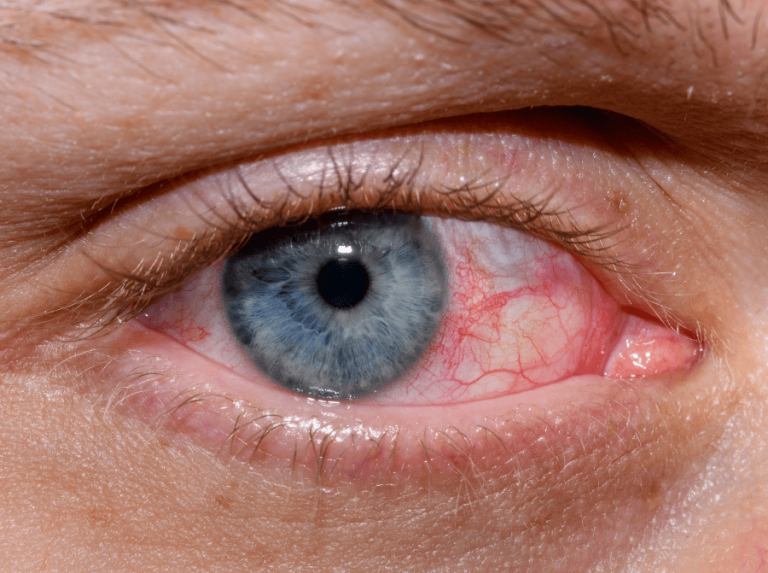
Dry eye syndrome is a common condition that affects millions of people worldwide. It occurs when the eyes do not produce enough tears or when tears evaporate too quickly. While many people experience occasional dryness, chronic dry eye can lead to irritation, blurred vision, and long-term discomfort.
A common question patients ask is whether dry eye can be cured permanently. The answer depends on the underlying cause. While some cases can be significantly improved or even resolved, others require long-term management.
This article explains what causes dry eye syndrome, effective treatments that work, and how to achieve long-lasting relief.
What Is Dry Eye Syndrome?
Dry eye syndrome occurs when the tear film that protects and lubricates the eye becomes unstable. Tears are made up of three layers:
- Oil (lipid layer)
- Water (aqueous layer)
- Mucus
If any of these components are deficient or imbalanced, dryness and irritation occur.
Common Symptoms of Dry Eye
Dry eye symptoms may include:
- Burning or stinging sensation
- Redness
- Gritty feeling (like sand in the eye)
- Blurred or fluctuating vision
- Light sensitivity
- Excessive tearing (a reflex response to dryness)
Symptoms often worsen during prolonged screen use, exposure to air conditioning, wind, or dry environments.
What Causes Dry Eye Syndrome?
Understanding the root cause is essential for long-term treatment.
1. Age-Related Changes
Tear production naturally decreases with age, especially after 40 years of age.
2. Hormonal Changes
Hormonal fluctuations, particularly in women during menopause, can reduce tear production.
3. Meibomian Gland Dysfunction (MGD)
This common condition affects the oil-producing glands in the eyelids, leading to rapid tear evaporation.
4. Prolonged Screen Time
Reduced blinking during digital device use contributes to tear film instability.
5. Medical Conditions
Dry eye may be linked to:
- Autoimmune disorders
- Diabetes
- Thyroid disease
6. Medications
Certain medications, such as antihistamines, antidepressants, and blood pressure drugs, can reduce tear production.
Can Dry Eye Be Cured Permanently?
The idea of a permanent cure depends on the cause. In some cases, treating the underlying condition significantly reduces or eliminates symptoms. In others, dry eye becomes a chronic condition that requires ongoing management.
Patients in cities such as Mumbai frequently search for how to cure dry eyes permanently when symptoms persist despite over-the-counter treatments, highlighting the importance of personalized diagnosis and targeted therapy.
Treatments That Actually Work
Effective treatment depends on identifying the specific cause.
1. Artificial Tears and Lubricating Drops
Over-the-counter artificial tears are usually the first step. Preservative-free formulations are recommended for frequent use. These help restore moisture and protect the tear film.
However, while helpful, artificial tears do not address underlying gland dysfunction.
2. Prescription Anti-Inflammatory Eye Drops
Chronic dry eye commonly involves inflammation. Prescription drops may:
- Reduce surface inflammation
- Improve natural tear production
- Support long-term relief
These medications are used under ophthalmologist supervision.
3. Warm Compresses and Lid Hygiene
For patients with meibomian gland dysfunction:
- Warm compresses help melt blocked oils
- Gentle eyelid massage improves oil flow
- Lid cleaning reduces debris and bacteria
Consistent practice improves tear stability over time.
4. Punctal Plugs
Tiny devices inserted into tear ducts reduce tear drainage, helping retain natural tears longer. This procedure is quick and usually performed in-office.
5. Omega-3 Fatty Acid Supplements
Dietary omega-3 supplements may improve tear quality and reduce inflammation in some individuals.
6. Lifestyle Modifications
Simple adjustments can significantly reduce symptoms:
- Increase blinking during screen use
- Follow the 20-20-20 rule (every 20 minutes, look 20 feet away for 20 seconds)
- Use humidifiers in dry environments
- Stay hydrated
- Limit exposure to smoke and wind
7. Advanced Therapies
For moderate to severe dry eye, doctors may recommend:
- Intense Pulsed Light (IPL) therapy for gland dysfunction
- Thermal pulsation treatments
- Autologous serum eye drops (in severe cases)
These advanced options target root causes rather than only symptoms.
Long-Term Management Strategies
While some individuals achieve lasting relief, others require maintenance therapy.
1. Consistency Is Key
Dry eye management usually involves combining treatments for optimal results.
2. Regular Eye Checkups
Monitoring tear function and gland health helps prevent complications.
3. Address Underlying Conditions
Managing autoimmune disease, diabetes, or thyroid issues improves overall eye health.
When to See an Eye Specialist
Consult a specialist if you experience:
- Persistent redness or pain
- Blurred vision that does not improve
- Symptoms lasting more than a few weeks
- Difficulty performing daily tasks due to dryness
Early intervention prevents surface damage and chronic discomfort.
Potential Complications of Untreated Dry Eye
If left untreated, chronic dry eye may lead to:
- Corneal inflammation
- Increased risk of eye infections
- Surface damage
- Reduced quality of life
Timely treatment protects long-term vision health.
FAQs
Can dry eye go away completely?
Mild dry eye cases may resolve with lifestyle changes or short-term treatment. Chronic cases usually require ongoing care.
Are artificial tears safe for daily use?
Yes, especially preservative-free versions. Frequent use of artificial tears should, however, be discussed with a doctor.
Does screen time permanently damage tear production?
Excessive screen use contributes to dryness, but symptoms usually improve with proper eye care and blinking habits.
Is surgery required for dry eye?
Surgery is rarely needed. Most cases respond to medical or supportive therapies.
Do home remedies work?
Warm compresses, hydration, and blinking exercises can support professional treatment but may not replace medical therapy.
Conclusion
Dry eye syndrome is a common yet manageable condition. While a guaranteed permanent cure depends on the underlying cause, modern treatments and lifestyle adjustments can provide significant, long-lasting relief. From artificial tears and anti-inflammatory medications to gland-targeted therapies and environmental changes, effective solutions are available.
Understanding your specific cause, following a structured treatment plan, and maintaining regular eye care are essential steps toward long-term comfort and visual clarity. With consistent management, most people can achieve substantial improvement and regain daily eye comfort.
