

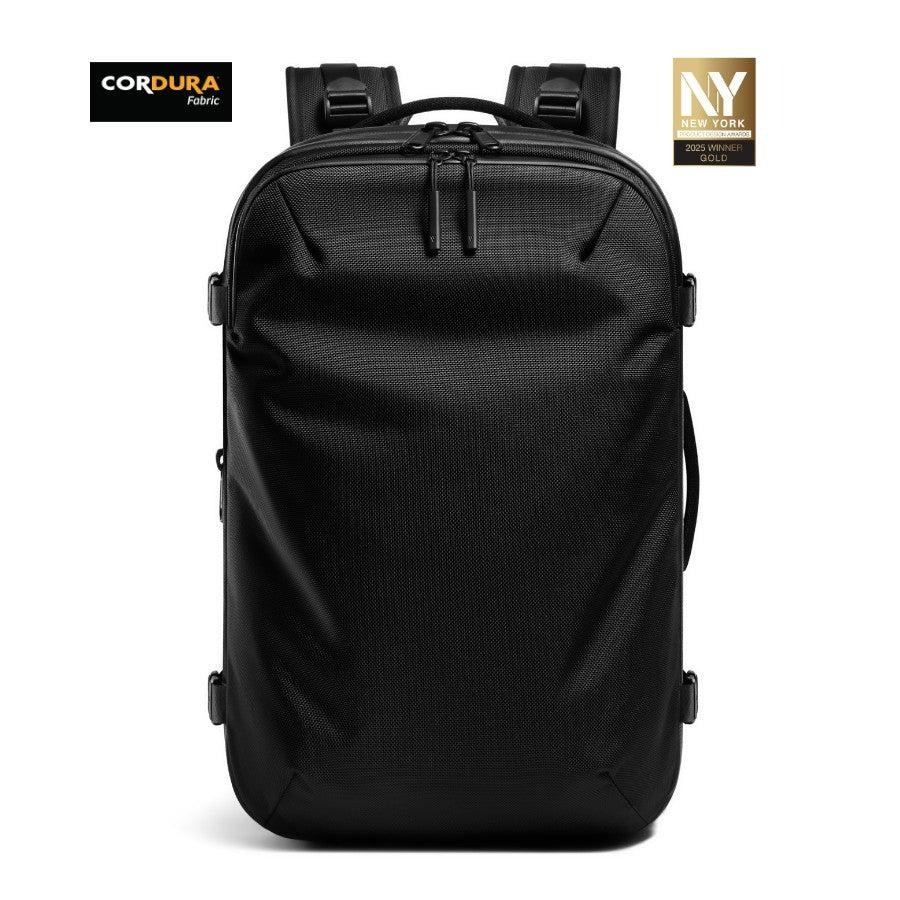
In the fast-paced world of technology, innovation doesn’t stop at smartphones or laptops—it also influences how we carry our belongings. For digital nomads, developers, photographers and other on-the-go professionals, the backpack is a command center: it holds our devices, charging cables, notebooks and sometimes even a change of clothes. The vacuum travel backpack is a prime example of how engineering can improve a familiar item. By integrating air-removal technology into the fabric of the bag, manufacturers have created a clever way to maximize space without sacrificing comfort or design.
Inside the technology
At first glance, a vacuum travel backpack looks like any premium bag, but hidden inside is a sealed sleeve lined with an air-tight membrane. After placing your folded clothes or soft gear into the sleeve, you seal it with a zipper or clasp. A one-way valve then allows you to expel air by rolling the bag or using a manual pump. Some high-end models incorporate battery-powered pumps that automatically suck out the air with the press of a button; others rely on simple mechanics that reduce weight and potential points of failure. Materials also matter: many manufacturers use ripstop nylon or polyester coated with thermoplastic polyurethane (TPU), ensuring that the inner compartment is both durable and impermeable.
Who benefits from this gear?
Digital nomads and freelancers: If your office is wherever your laptop is, you know the importance of packing efficiently. Compressing clothing or a spare sweater frees up space for extra tech like portable monitors or external hard drives.
Frequent flyers: Business travelers often face back-to-back flights. Having a single carry-on that fits everything you need means less time at luggage carousels and fewer lost-bag headaches.
Outdoor enthusiasts: Hikers and campers can use vacuum travel backpacks to keep down jackets or sleeping clothes compact and dry. The sealed compartment protects contents from moisture and dirt.
Photographers and content creators: With cameras, lenses and drones already filling your bag, room is limited. Compressing clothing or props leaves more space for the gear that brings your creative vision to life.
Choosing the right model
Given the variety of products on the market, how do you pick the perfect vacuum travel backpack? Here’s a quick guide:
- Pump type: Do you prefer manual simplicity or the convenience of an electric pump? Manual systems are lightweight and less prone to malfunction; electric pumps speed up the process but require charging.
- Size and capacity: Look at your travel habits. Day-trippers may be fine with a 20-litre pack, while long-term travelers might need 40 liters or more. Check airline carry-on size guidelines as well.
- Tech features: Some bags feature built-in USB ports, RFID-blocking pockets and hidden compartments for valuables. Assess which features you’ll actually use versus ones that simply add weight and cost.
- Comfort and fit: Tech gear can be heavy. Look for ergonomic designs with padded shoulder straps, breathable back panels and adjustable sternum straps. Try on the backpack, if possible, to see how it balances when fully loaded.
- Brand ethics: Consider companies that prioritize sustainability, fair labor practices and quality craftsmanship. Spending a bit more on a well-made bag from a reputable brand often pays off in durability and peace of mind.
Maximizing your vacuum travel backpack
To get the most out of your investment, adopt some best practices:
- Pack strategically: Place frequently used items—like your laptop or snacks—in exterior pockets. Reserve the vacuum compartment for clothing that you won’t need mid-flight.
- Mind the weight: Vacuum compression doesn’t reduce weight. Keep airline carry-on limits in mind and avoid over-packing heavy items.
- Air out your clothes upon arrival: Once you reach your destination, open the compartment to allow your clothing to breathe and regain its shape. This reduces wrinkles and prolongs fabric life.
- Clean and dry the compartment: Moisture can build up inside sealed areas. After each trip, wipe the interior with a cloth and let it air dry before storing.
- Invest in accessories: Packing cubes and cable organizers complement vacuum backpacks. They help keep non-compressed items tidy and easy to access.
Where innovation meets style
Brands like Black Voyage exemplify the fusion of technology and design. Their travel collections blend sleek aesthetics with practical features, making them favorites among tech enthusiasts who refuse to compromise on style or functionality. Whether you’re attending a tech conference, shooting a documentary or taking a weekend workcation, having gear that reflects your lifestyle is invaluable.
A vacuum travel backpack is more than a gimmick—it’s a thoughtful response to the needs of modern travelers. By leveraging simple physics and quality materials, these backpacks help you pack smarter, travel lighter and adapt to a lifestyle where mobility is key. For jet-setters and grounded explorers alike, embracing this technology could be the difference between frantic scrambling and a smooth, enjoyable journey.
