

A slight drop in temperature. A delay that no one expected. Maybe one section of the tank heats more slowly than the rest. Easy to ignore in the beginning. But give it a few days or weeks, and suddenly output drops, energy bills creep up, and people are trying to trace the issue back to the source while production is already taking a hit.
Water treatment and boiler systems don’t really forgive that kind of inconsistency. If the temperature shifts even a bit, processes don’t behave the same way. Reactions slow down. Water quality can slip. Boilers start working harder than they should.
That’s usually when industrial immersion heaters start getting attention. Not because they’re new, just because they work where it actually matters.
What are Industrial Immersion Heaters and How Do They Work?
Industrial immersion heaters sit inside the liquid they’re heating. No external heating surface. No waiting for heat to travel through layers.
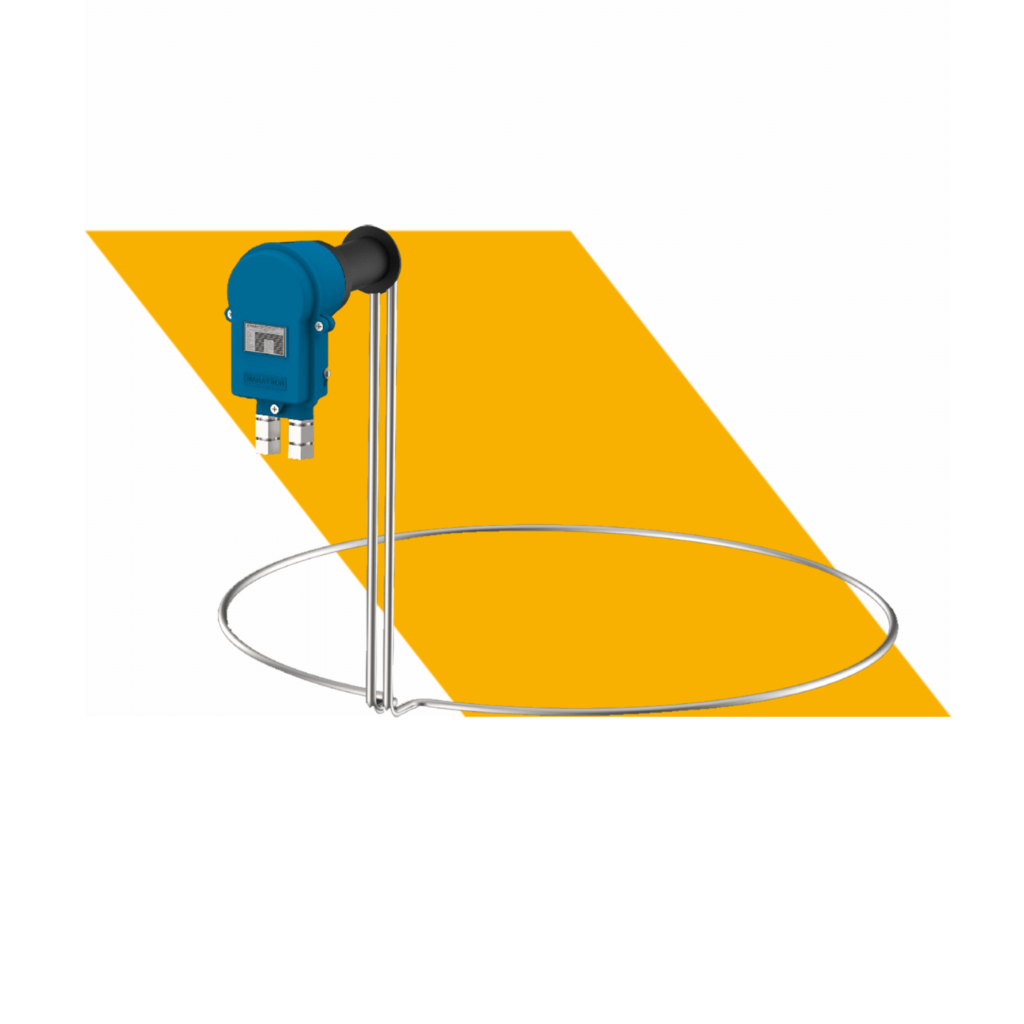
They’re built with a heating element, a sheath that protects it from corrosion and wear, and a control setup to manage temperature. Pretty standard construction, but how they function on-site is what makes the difference.
Electric current flows through the element. Heat gets generated. That heat moves straight into the surrounding liquid. No extra step in between, which is why response times feel quicker when you’re actually running the system.
And they’re not limited to just water. Oils, certain chemicals, and different process fluids. It really comes down to choosing the right material for the sheath so it holds up over time.
Role of Industrial Immersion Heaters in Water Treatment Systems
Water treatment isn’t just filters and pumps. Temperature quietly plays a big role, even if it’s not always the first thing teams check.
- In colder setups, tanks lose heat faster than expected. Sometimes freezing becomes a concern, especially in exposed systems. Even when it’s not that extreme, small temperature changes can affect how reactions happen inside the tank.
- That’s where industrial immersion heaters come in again. They help keep the process stable.
- In wastewater plants, they support treatment stages that depend on controlled conditions. In RO setups, they help maintain steady performance. Chemical dosing tanks also rely on consistent temperatures; reactions slow down or behave differently.
- The benefit here isn’t just heating. It’s control. Heat goes exactly where it’s needed, and operators don’t have to keep adjusting settings all day to compensate.
Applications in Boiler Systems
Boilers need heat, obviously. But managing that heat properly is where most of the day-to-day challenges occur.
- Industrial immersion heaters are often used before the main heating comes in. They preheat the water, so the boiler doesn’t have to start from a cold state every time. That saves time during startup, and it makes shift transitions smoother too.
- They’re also useful during standby. Instead of letting everything cool down and then pushing the system hard to bring it back up, these heaters keep things within a workable range.
- And yes, they can act as backup. Not the primary source, but enough to avoid a complete drop if something else fails.
Safety Standards and Best Practices
No one wants to deal with safety issues after installation. It’s better to get it right from the beginning, even if it takes a bit more planning.
- Industrial immersion heaters are usually designed to meet IEC guidelines and ISO standards. That’s a good starting point, but proper installation still matters just as much.
- Grounding is basic, but skipping it isn’t an option. Temperature control systems should always be active.
- Inspections don’t have to be frequent, but ignoring them completely isn’t a great idea either. A quick check once in a while can prevent bigger problems later.
- And working with a manufacturer you trust helps a lot.
Conclusion
Heating systems don’t get much attention until something goes wrong. That’s just how it is in most plants.
But in water treatment and boiler operations, temperature isn’t something you can afford to ignore. Even small inconsistencies can create bigger issues across the system, and fixing those mid-operation isn’t always easy.
Industrial immersion heaters offer a direct way to handle this. Direct heating, faster response, and less dependency on constant manual adjustments.
For teams already dealing with tight timelines and pressure to avoid downtime, that kind of reliability makes a difference. Companies like Tempsens are working with solutions that fit into actual plant conditions, not just ideal setups, which makes day-to-day operations a bit more manageable.
