

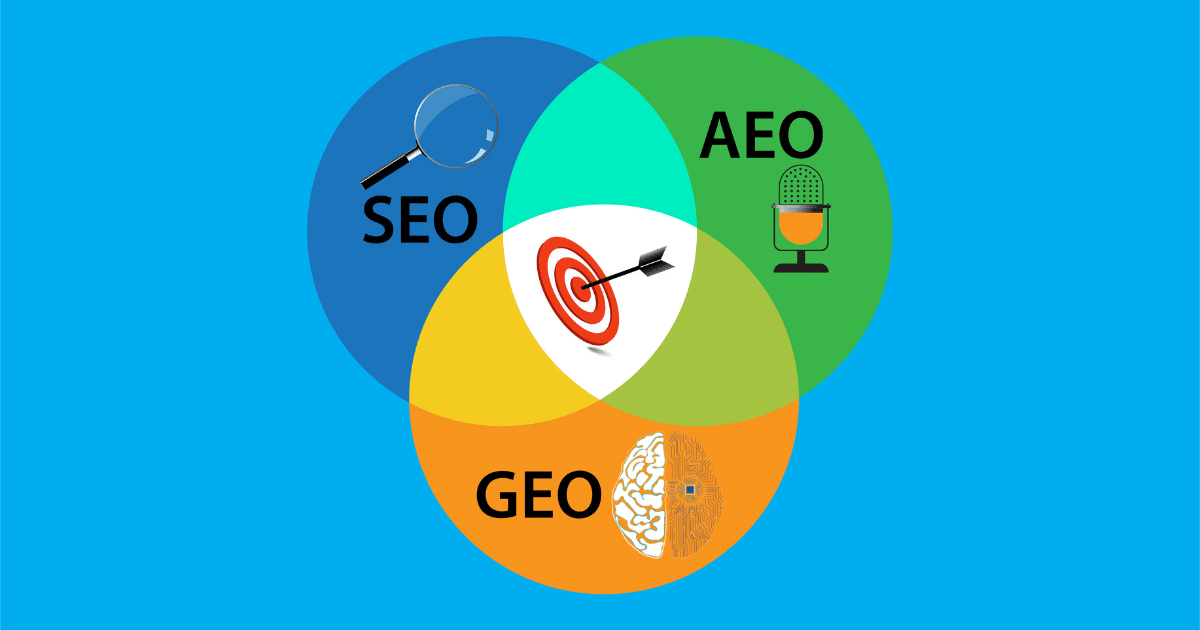
Introduction to LLMO SEO in Web3
LLMO SEO (Large Language Model Optimisation) means tuning your content so that AI-driven search engines (like ChatGPT, Google Gemini, Claude, etc.) understand and trust it. In practice, LLMO SEO is about making your project the “smartest answer” when AI assistants summarise information. Instead of just ranking for keywords, you craft content that AI can parse, trust, and cite.
In 2026, roughly 43% of consumers use AI-powered tools daily for research – so Web3 brands ignoring this trend risk losing visibility.
What is LLMO SEO?
LLMO SEO for crypto, focuses on how large language models interpret and surface information. In other words, you optimise for conversational AI responses rather than just Google’s SERPs. As a Cryptocurrency SEO Agency, we focus on not only improving your LLM visibility, but also organic visibility and discovery overall.
This means using consistent terminology, clear entity names (like token symbols or project names), and original insights that LLMs can incorporate into long-form answers. For example, an LLMO strategy might ensure that your description of a “smart contract” is precise, so an AI model answers “what is a smart contract” with your phrasing. As explained by others, “LLMO (large language model optimisation) … emphasises entity clarity, consistent terminology, [and] strong brand signals”. In short, LLMO SEO makes your content easy for AI to “get” and reuse in AI-driven answers.
Why Traditional SEO is Not Enough
Traditional SEO relies on keywords and backlinks, but AI-driven search uses deeper signals. AI assistants prioritise context, meaning, and trust over exact keyword matches. Instead of focusing on ranking pages for individual terms, you must ensure AI answers questions using your content. For example, simply stuffing “decentralised finance” into pages is less effective than writing a clear explanation of DeFi concepts that AI can quote.
As we note, LLMO “shifts the goal from visibility in search engines to being cited within AI models,” meaning your message appears inside the AI’s answer, not just on a webpage. In other words, SEO’s future is conversational: you optimise content to become the answer, not just a search result.
Understanding GEO and AEO
What is Generative Engine Optimisation (GEO)?
Generative Engine Optimisation (GEO) is about getting your content included in AI-generated answers. A GEO strategy treats your website as a source that generative AI systems might cite or summarise. In practice, this means writing authoritative, in-depth content with clear structure and credible sources. ColdChain Agency defines GEO as “focusing on how projects appear within AI-generated responses,” i.e. ensuring the AI will include your content when it crafts an answer.
Others similarly explains that GEO “positions your content as a reliable source that AI systems and generative systems want to summarise and cite”. To optimise for GEO, you should strengthen your topical authority, use citations or data, and cover subjects in depth so that AI models have “something credible to cite.”.
What is Answer Engine Optimisation (AEO)?
Answer Engine Optimization (AEO) focuses on crafting content that directly answers specific user questions. It targets featured snippets, voice answers, and other quick-answer formats. For Web3 projects, this means putting concise definitions or step-by-step instructions high on the page. ColdChain Agency describes AEO as “centered on delivering clear, direct answers” – content that an AI can pull into its response without ambiguity.
In short, AEO involves using structured sections (FAQ blocks, bullet lists, short paragraphs) to ensure that AI or voice assistants can extract exact answers from your page. For example, providing a 40–60 word answer to “What is staking?” right under a heading is an AEO tactic that helps you win featured snippets.
Importance of LLMO SEO for Blockchain and Crypto
AI Search Trends in Web3
AI-driven search is booming, and Web3 users are asking more questions to assistants. For instance, queries like “What is the best DeFi platform?” or “Top NFT marketplaces in 2026” are increasingly common in AI chat interfaces. In fact, as ChatGPT and Bing Chat become mainstream sources of information, a large share of searches never even reach a website.
ChainPeak notes that over 70% of searches can be answered by AI tools without clicking through to a site. This means crypto projects must appear in AI answers or risk invisibility. At the same time, AI overviews (AI-powered summary boxes) are expanding beyond simple informational queries. By 2026, AI overviews – which now appear in only ~26% of queries, are expected to cover commercial, transactional, and even local searches.
In summary, Web3 brands must adapt to an environment where users phrase full questions and get direct answers from AI. Optimising for intent and coverage (addressing the why and how behind queries) is now as important as ranking for keywords.
Role of Trust and Authority
Trust is paramount in crypto, and AI search reflects this. AI models prioritize content from authoritative, trustworthy sources. SEO experts emphasise that consistent brand mentions and expert signals across reputable sites boost AI visibility. For example, SEO.com notes that AI search “consults multiple trusted sources and looks for consistent brand mentions” much like a consumer researching a product.
In practice, this means Web3 projects must build verifiable authority: clear team credentials, transparent whitepapers, audit results, and media coverage. High E-E-A-T (Experience, Expertise, Authoritativeness, Trustworthiness) is critical. In short, building a reputable presence both on- and off-site (through backlinks, media mentions, and clear credentials) is essential to rank in AI answers.
Core Pillars of LLMO SEO Strategy
Content Depth and Context
AI models reward depth and clarity. Your content should fully cover topics rather than skim them. ColdChain Agency advises treating each page as a potential “source material” for generative answers, so it needs to explain concepts clearly and thoroughly. For example, a guide on “blockchain scalability” should include not just a definition but detailed analysis, real-world examples, and up-to-date data. Studies show that AI search favors content with meaningful context and reasoning. As one agency notes, LLM-driven engines “prefer content that communicates meaning, relevance, and reasoning with precision”.
In practice, use headings and paragraphs to cover subtopics deeply, and include examples or data. The benefit is twofold: humans get value from the rich content, and LLMs get plenty of material to reference or quote in AI Overviews or summaries.
Semantic Relevance and Entity Mapping
Another key pillar is semantic connectivity. Use topic-relevant terms and entities so AI models understand the relationships in your content. For crypto, this means consistently using specialised terms (and explaining them): e.g. “blockchain nodes,” “smart contracts,” “DeFi protocols,” “tokenomics,” “nonce,” etc. Clear entities make it easier for models to recognise and reuse your content. Likewise, InfluxJuice advises to “mention your brand, products, tokens, or unique concepts clearly and consistently. LLMs connect these dots to build your authority”. In practical terms, include synonyms and related concepts to strengthen semantic signals.
For instance, an article on NFT marketplaces might naturally incorporate terms like “digital art marketplace,” “Ethereum blockchain,” and names of relevant projects. The goal is to give AI systems a rich semantic web: if AI sees the same names and concepts across multiple credible sources, it’s more likely to cite your content about them.
Keyword Strategy for Web3 LLMO SEO
LSI Keywords for Crypto Niches
In the Web3 space, expand beyond your main keywords to include related and supporting terms. Latent Semantic Indexing (LSI) keywords help signal context. For example, a page on crypto wallets should also use terms like “private key,” “hardware wallet,” “mobile wallet app,” “self-custody,” and “crypto security”. These related phrases help AI models understand context and cover more query variations.
While specific LSI tools exist (e.g. LSIGraph), the principle is simply to use synonyms and related jargon naturally. Our AI SEO guide suggests shifting “from keywords to concepts” – write to explain rather than force keyword density. Practically, weave in related terms such as “decentralized finance” on a DeFi page, or “blockchain security” on a crypto security page. This semantic richness improves the chances that AI will match your content to diverse questions about the niche.
Intent-Based Keyword Mapping
Instead of one-size-fits-all keywords, map your content to user intent. Identify whether queries are informational (e.g. “What is staking?”), transactional (“Best hardware wallets 2026”), or navigational (“Site of [CryptoProject]”). InfluxJuice warns: “Intent beats keywords every time. Think about what questions your audience might ask… and answer them fully”. For a crypto site, that means planning sections or pages around real questions: “How do I stake ETH safely?”, “How to read a crypto whitepaper?”, “What are gas fees?”.
Use question-based headings and long-tail keyphrases that match these intents. Then supply thorough answers. This user-focused approach aligns with AI search, which prioritises satisfying the user’s goal over matching a short keyword. In summary, prioritise the why and how behind searches – AI will reward pages that clearly meet user intent.
Content Optimisation for GEO
Structuring Content for AI Models
AI engines parse content segment by segment, so your structure matters. Use clear, logical headings and list formats to break information into bite-sized chunks. We recommends writing in modular sections (with semantic HTML) so AI can easily extract key ideas. Similarly, others suggests “structure like a pro” – use headings, bullet points, and numbered lists. Noting that “AI bots like structured info – they want to extract answers fast, like grabbing snacks from a well-organised pantry.”.
For example, if you have a page explaining DeFi concepts, include an FAQ section with short questions and answers, or bulleted comparisons of protocols. This makes it easy for an AI to pull exactly what it needs for an answer box or generative summary. Well-structured content also benefits human readers, but more importantly it signals to LLMs how your information is organized.
Data-Driven Content Creation
Using data, case studies, and examples strengthens your content’s authority. AI systems are drawn to factual, evidence-backed material. Whenever possible, include relevant statistics and real-world context. For instance, citing research on blockchain usage or displaying current market data can boost AI trust. A ColdChain analysis found that many top crypto brands already reap millions of organic searches by being data-rich: for example, CoinGecko earns 56M users monthly from organic SEO (30% of its traffic). This implies readers find and trust their detailed content.
Another tactic is to build “concept pages” defining crypto terms or new protocols; ColdChain notes these enhance topical authority and give AIs something concrete to cite. In practice, gather data (charts, tables) and expert quotes to embed in your pages. Such evidence not only adds depth for users, but also provides AI models solid content to reference in answers.
Content Optimisation for AEO
Featured Snippets and Direct Answers
To rank in answer boxes, give AI the precise answer it wants. Embed short, clear answers to anticipated questions in the top of your content. For example, start a section with “What is X? — Answer: [40–60 words].” Google and other AI tools often pull from the first paragraph. Also implement FAQ and Q&A schema: adding FAQ/Q&A structured data “is essential for boosting visibility in AI-powered search results,” because it directly presents answers LLMs prefer. In practical terms: use <h2> or <h3> headings that are questions, follow immediately with concise bullet or paragraph answers. Ensure the answer is self-contained and avoids fluff. By doing so, you increase chances of capturing featured snippets and voice results.
Conversational Content Design
Write as if you’re having a conversation with a user. AI assistants are built on dialogue, so content that reads naturally performs better. Use first- or second-person as appropriate, and avoid overly formal or keyword-stuffed language. For example, instead of “The security of smart contracts is ensured by,” write “Smart contracts stay secure because …” This style helps AI understand and confidently use your text. It also invites the LLM to follow up logically. Example: content that answers “How do I stake ETH safely?” in a straightforward, step-by-step manner helps LLMs generate helpful advice.
In sum, craft your answers as if speaking; this makes them more AI-accessible and likely to be pulled into an AI’s response.
Technical SEO for LLM Optimisation
Structured Data and Schema Markup
Structured data (schema) tells machines what your content is, which is invaluable for AI. Implementing relevant schema (Article, FAQ, HowTo, Product, etc.) lets search and AI engines parse your content reliably.
In fact, sites with comprehensive schema are more likely to be featured and cited in AI answers. For Web3 projects, use schema to mark up team members (Person schema), news (Article schema), FAQs, and product/pricing details. For example, if you offer a crypto wallet app, schema can clarify features and download links for AI. Doing so makes it easier for models to resolve your entities and attribute information back to your brand. In essence, schema boosts credibility in the eyes of AI and increases your chances of winning generative citations.
Page Speed and Crawlability
Traditional SEO fundamentals still apply: a fast, crawlable site is crucial for LLMO SEO too. AI assistants may first crawl your page or rely on cached data.
Slow pages or broken links can prevent AI crawlers from accessing your content at all. Moreover, InfluxJuice warns that “slow sites, poor navigation, or hard-to-read fonts turn AI away (and users too)”. Optimise images, enable compression, and use a sitemap to ensure all important pages are indexed. Also consider mobile and voice-friendliness: many AI queries come from phones or voice assistants, so structured yet concise answers (short paragraphs and bullet lists) will serve both AI algorithms and on-the-go users. In short, maintain strong technical SEO – speedy, well-structured sites give LLMs a better chance to find and trust your content.
Building Authority in Web3
Backlinks in the Blockchain Ecosystem
Backlinks remain a trust signal, even for AI SEO. In crypto, links from respected industry sites (cryptocurrency news outlets, research blogs, or major exchanges) signal authority. As one crypto SEO guide notes, “strong SEO helps projects build credibility… through authoritative content, backlinks from trusted crypto publications, and a clear site structure”. Getting cited or linked by established names (CoinDesk, CoinTelegraph, Binance Academy, etc.) sends positive signals to AI systems. Beyond that, brand mentions and guest posts on blockchain forums can bolster your entity’s authority. The concept is echoed by experts: ColdChain points out that LLMs interpret authority by “presence and reliability across the entire web.” They advise building entity-level authority via “detailed, trustworthy content and authoritative citations in trusted datasets (like major media or academic sources)”. In practice, an active backlink strategy (quality over quantity) in the crypto space helps AI recognise your project as reputable.
Thought Leadership and Community
Active community engagement and thought leadership amplify authority signals for AI. Create author bylines and profiles: having named crypto experts or founders as authors (with schema markup) reinforces expertise. Social proof matters too – encourage users to discuss and share your content on platforms like X (Twitter), Discord, or Telegram. Engagement indicators (comments, upvotes, shares) also hint at value. InfluxJuice notes that “user engagement signals (like comments or shares) still count for AI visibility,” so writing share-worthy, discussion-friendly content can pay off.
In the Web3 ecosystem, being active on community channels (AMA sessions, Reddit forums, GitHub discussions) not only builds trust among people but also leaves a footprint AI can associate with your brand. Overall, consistent thought leadership (blogs, reports, podcasts) and strong community ties (Discord, Telegram, Twitter/X) help convince AI that your project is a genuine, authoritative presence in crypto.
Leveraging AI Tools for SEO
AI Content Generators
AI writing tools can jumpstart ideas, but should be used thoughtfully. ChatGPT, Gemini, Claude, etc., can brainstorm topic outlines or suggest related questions that people might ask about blockchain or your project. More importantly, use these tools analytically: ask AI directly about your topic to see what answers it generates. ColdChain recommends asking queries in ChatGPT, Gemini or Perplexity and checking if your brand appears in the response.
For example, put “What are the top NFT marketplaces?” into an AI assistant and see if your project is mentioned. If not, it’s a sign to refine your content. In short, use AI assistants both to craft content and to audit your AI visibility – they can reveal gaps in coverage or keyword focus.
Analytics and Optimisation Tools
Traditional analytics still matter, but there are new metrics for AI visibility. Track “AI-derived traffic”: how many visitors come from AI tools or virtual assistants. Monitor rankings in voice search results or the number of times your pages appear in AI answer cards. We suggests using specialised tools like RankLens or Perplexity to see how often ChatGPT or other LLMs cite your content. For example, some services can query ChatGPT with your key terms and report back if your site was a source.
Additionally, tools like Google Search Console and third-party SEO platforms have started adding insights on AI-overview impressions and voice queries. The KPIs include AI citations, engagement (time on page, bounce rate), featured snippet share, and click-through rate improvements. By combining these analytics, you can gauge how well your LLMO efforts are working and adjust – for example, if AI mentions stay low, focus on adding more clear answers or authoritative data.
Content Distribution Strategies
Social Media in Crypto
Social media remains a key distribution channel. In crypto, X (formerly Twitter) and Telegram are hubs for real-time updates and community discussion. According to recent Web3 marketing analysis, X is still “the main battlefield for real-time crypto news,” while Telegram’s active communities make it ideal for announcements.
However, projects are also expanding beyond classic crypto channels: short-form videos on TikTok and YouTube Shorts are reaching younger audiences, and LinkedIn is surprisingly effective for founder thought leadership in blockchain. For SEO impact, share blog posts and explainers on these platforms to create backlinks and brand mentions. Engaging with Web3 influencers (the long-tail “KOCs”) and encouraging UGC (user-generated content) can further spread your content. Remember, AI models also scan social signals – consistent posting and mentions on these platforms help reinforce your authority.
Web3 Native Platforms
Don’t overlook Web3-native distribution channels. Platforms like Mirror.xyz and Lens Protocol let Web3 projects publish and share content on-chain. Mirror is a blockchain-based blogging platform where content becomes NFTs, giving creators rewards and immutability. Lens is a decentralised social graph for sharing posts across Lens-powered apps. Publishing on Mirror, or posting updates via Lens, can tap into crypto-community networks and earn organic attention from early-adopter audiences. While mainstream AI models may not index these perfectly yet, on-chain content adds to your project’s footprint and can still be cited by AI that scrapes public blogs. In summary, use a mix of traditional social media and emerging Web3 content hubs to broaden your reach – the more places your content appears, the more likely AI will discover and trust it.
Measuring LLMO SEO Success
KPIs for GEO
For GEO, measure how often AI systems reference your content as source material. Key indicators include AI citations and brand mentions within AI-generated answers. Track your share of AI-overview features or generative summaries. Also watch organic traffic growth from search engines (which reflects improved overall visibility). ColdChain lists tactics like adding TLDRs and concept pages to enhance citation potential, so an uptick in those usage metrics is a good sign. Specific KPIs: number of times ChatGPT/Gemini answers include your text (monitor with tools), total AI-driven visits, and rankings in conversational answers. As one guide puts it, “Track citations from ChatGPT, Perplexity, and RankLens [to] measure actual presence inside AI-generated content.”. These metrics show if your content is truly influencing AI answers (the essence of GEO success).
KPIs for AEO
For AEO, focus on featured snippet share, voice-search rankings, and click-through improvements on Q&A queries. Track how often your pages appear as Google’s “Position 0” or in voice assistant answers for crypto-related questions. Use Google Search Console to see if your content is being pulled into People-Also-Ask boxes or FAQ snippets. Other KPIs include average position for long-tail question keywords and bounce rate (short answers should still lead to engagement). Additionally, monitor user engagement: higher time-on-page or more scroll depth on answer sections suggests your concise answers are satisfying queries. A useful proxy: use analytics to track how many visitors click on your content from featured snippet cards. In short, winning AEO means observing more featured placements and higher click-throughs on those queries – this shows your direct-answer content is hitting the mark.
Common Mistakes to Avoid
Over-Optimisation
Even in AI SEO, less is more. Stuffing keywords unnaturally is counterproductive. As one crypto SEO guide warns, “Keyword Overload: AI hates keyword stuffing as much as humans hate spam emails.”. Over-optimising with irrelevant terms or repetitive phrases will undermine readability and may even confuse AI models. Instead, focus on natural usage of terms. Also avoid excessive links or schema that seem manipulative. The best approach is to write for real users first: if it feels forced to you, an AI likely won’t endorse it either.
Ignoring User Intent
A second pitfall is treating AI SEO as purely technical and forgetting the user. AI algorithms are trained on human behavior, so neglecting actual user needs will hurt your performance. For example, creating content around a trendy keyword without answering the real question frustrates both users and AI.
Always align content with what users actually seek. In Web3, this means not just talking about tokens (keywords) but explaining why they matter and how to use them (intent). If you ignore intent, you’ll miss featured snippets and AI placements because your content isn’t viewed as relevant to the query.
Future of SEO in Web3
AI Search Evolution
AI-driven search isn’t a flash in the pan – it’s the new norm. Search will increasingly be conversational. As ColdChain puts it, “Search is no longer just about visibility in search engines… LLMO ensures your message appears inside the answer itself,” and that “the future of discoverability is conversational and it is already here.”. In practice, expect more integration of voice assistants, chatbots, and AI overviews into everyday search. Brands that master LLMO SEO now will have a head start when AI answers become the default.
Decentralized Search Engines
Looking further ahead, Web3 may even bring decentralized search engines. These blockchain-based search projects (like Presearch or YaCy) aim to reduce single-company control over indexing and ranking. They emphasise privacy, minimal tracking, and censorship-resistance. For example, some use token incentives to reward users who host search nodes, or distribute ranking control via peer-to-peer networks. While these are still emerging, they could reshape how SEO works in Web3. The key takeaway is that as search infrastructure decentralizes, building a direct brand presence (through on-chain content, open web mentions, and community trust) becomes even more important. Web3 projects should keep an eye on these developments and aim to be early contributors and participants, since decentralized engines will likely value authentic, community-verified content.
FAQs
What is LLMO SEO in simple terms?
LLMO SEO means optimising your content so AI tools (like ChatGPT or Google’s AI Overviews) can easily understand and trust it. It’s about clear, relevant answers and strong brand signals that help AI assistants recommend your content.
How is GEO different from AEO?
GEO (Generative Engine Optimisation) focuses on broad AI-generated summaries. It positions your site as a source that AI systems want to cite. AEO (Answer Engine Optimisation) focuses on direct answers – formatting your content to be pulled as a concise snippet or voice response. In short, GEO aims to get AI to include your content in its answers, while AEO aims to make your content the answer.
Why is LLMO SEO important for crypto projects?
AI search is rapidly overtaking traditional search. If crypto projects aren’t optimised for AI, they become invisible to a growing audience. LLMO SEO boosts visibility in AI-driven queries and helps projects be cited in AI answers. In other words, it puts your brand’s information inside the answer when users ask about blockchain or crypto topics.
How can blockchain brands improve AI visibility?
By creating high-quality, authoritative content structured for AI. Use clear, direct answers to key questions and implement structured data (FAQ schema, HowTo, etc.) so AI tools can extract facts easily. Establish strong trust signals: show expertise and citations in reputable sources to demonstrate E-E-A-T. In practice, this means adding Q&A sections, schema markup, and industry citations so AI models recognise your content as reliable and citeable.
What tools help with LLMO SEO?
Leverage AI tools themselves: use ChatGPT, Google Gemini, or Perplexity to brainstorm content ideas and test queries. For example, ask an AI assistant a crypto question and see if your content is mentioned. Analytics tools are also evolving: use SEO platforms or dedicated tools (like RankLens) to track how often AI mentions your pages. Traditional SEO tools (Keyword planners, backlink checkers) still apply, but now with an eye on AI-driven metrics and voice-search data.
Is traditional SEO still relevant?
Yes – but it’s evolving. Classic SEO basics (fast site, good linking, clean structure) remain important. However, “SEO” now includes optimising for AI understanding, not just keywords. As one guide puts it, traditional SEO isn’t disappearing but must be combined with LLMO strategies to succeed in an AI-first world.
