

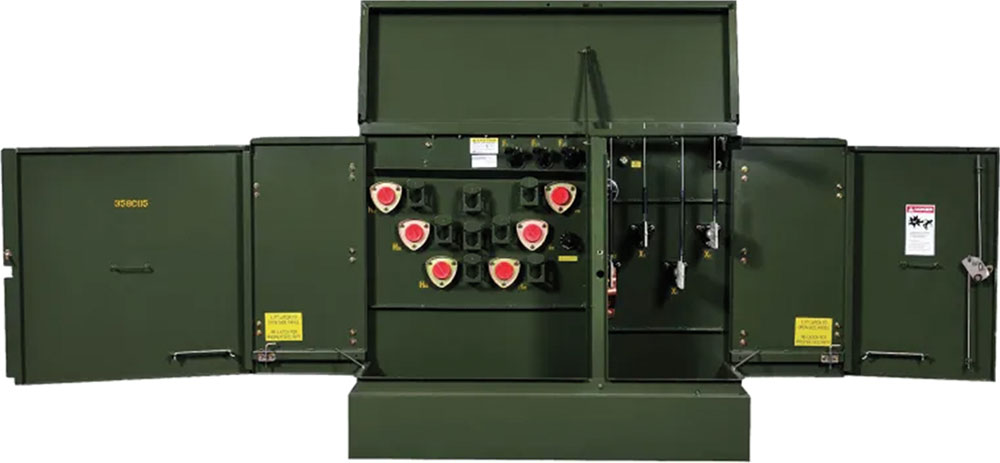
In the rapidly evolving world of cryptocurrency mining, efficiency and reliability are more important than ever. As mining difficulty increases and energy costs continue to be a major factor in profitability, many miners are transitioning from traditional data center facilities to containerized mining setups — modular, transportable solutions that integrate mining hardware, power infrastructure, and advanced cooling systems into a compact, high‑efficiency package.
This article explores what makes a successful bitcoin container setup, including how to plan your equipment rack layout, integrate power — including bitcoin generator options — and optimize climate control for long‑term performance. Whether you’re building your first containerized mining facility or expanding into a large‑scale operation, this guide will help you make informed, ROI‑focused decisions.
Why Choose a Bitcoin Container Setup?
Before diving into design details, it’s worth understanding why miners increasingly choose containerized infrastructure over traditional mining facilities.
Modularity and scalability: Containers allow miners to deploy standardized units, then scale incrementally as needed.
Reduced construction time: Unlike brick‑and‑mortar facilities, containers can be delivered and deployed quickly.
Mobility: Units can be relocated to follow cheap power opportunities.
Integrated systems: Containers combine mining equipment, power distribution, and cooling systems into a synergized design.
These advantages position container setups as a futuristic model for both small and large crypto mining operations.
1. Planning the Equipment Rack Layout
A successful bitcoin container installation begins with a well‑organized equipment rack layout. The goal is to maximize hash power while ensuring efficient airflow, ease of maintenance, and balanced power distribution.
Choose the Right Racks and Shelving
- Heavy‑duty racks: Bitcoin mining equipment is heavier and denser than typical IT gear. Use sturdy, industrial‑grade racks that support the weight and vibration of ASIC miners.
- Open frames or perforated shelving: These improve airflow, preventing hot spots that can reduce mining efficiency.
Optimize Airflow Pathways
Airflow is one of the most critical design elements in a container setup:
- Front‑to‑back airflow: Arrange rigs so that cool air enters one side of the rack and hot air exits the other. This efficient airflow pattern prevents heat buildup and reduces cooling load.
- Clear space between units: Allow adequate gaps to ensure unobstructed airflow.
- Cable management: Tidy cable runs reduce airflow obstruction, improve maintenance access, and reduce electrical hazards.
Balance the Rack Loads
Distribute power draw evenly across circuits to avoid overloading breakers or uneven heat generation. Balanced loads also reduce stress on power infrastructure and improve uptime.
2. Integrating Power: Bitcoin Generator Options and Distribution
Power integration is arguably the most complex — and most important — part of containerized mining setup design. Bitcoin mining consumes significant electricity, and how power is delivered affects both performance and profitability.
Power Sources: Grid, Generators, and Renewable Options
A container setup can draw power from several sources:
Grid Power
- Pros: Consistent supply, easy utility integration.
- Cons: Potentially high cost depending on region.
Grid power is often the backbone of mining facilities, but cost‑savvy operations explore alternatives.
Bitcoin Generators
Mining containers can include bitcoin generator options — on‑site generators that provide supplemental or backup power. These can be especially valuable where grid reliability is variable or utility rates spike during peak hours.
Common generator types:
- Diesel generators: Reliable and easy to deploy but can be costly long term due to fuel.
- Natural gas generators: More cost‑effective and cleaner than diesel in many regions.
- Hybrid solutions: Combine generators with grid power or renewables to optimize fuel usage and reduce emissions.
Using bitcoin generators can reduce downtime and help miners take advantage of off‑peak pricing or avoid load shedding events.
Renewable Energy Integration
Incorporating solar, wind, or hydroelectric power reduces long‑term operating expenses and improves sustainability — an increasingly important factor in investor and public perception.
Power Distribution and Safety
Once power sources are determined, design a distribution system that ensures safety and efficiency:
- Main distribution panels: Should handle peak loads with room for expansion.
- UPS systems: Provide clean power and bridge outages until backup generators take over.
- Surge protection: Protect equipment from electrical spikes.
- Grounding: A proper grounding system safeguards miners and reduces fire risk.
A well‑designed electrical infrastructure minimizes risk and maximizes uptime — essential for profitable mining operations.
3. Climate Management: Cooling and Environmental Control
Mining equipment generates significant heat, and without effective cooling, performance and hardware lifespan suffer. In a container setup — where space is confined and power density is high — climate management must be engineered thoughtfully.
Cooling System Options
Air Cooling
The most common cooling solution due to simplicity and lower initial cost.
- Industrial fans and forced‑air systems: Move large volumes of air across the mining rigs.
- Hot‑aisle containment: Separates hot exhaust air from cool intake air, improving cooling efficiency.
Air cooling works well in cooler climates but may struggle in hot environments without supplemental systems.
Liquid Cooling
Liquid cooling offers superior thermal control, especially for high‑density setups.
- Liquid loops or immersion tanks: Remove heat more effectively than air.
- Heat exchangers and chillers: Further cool the fluid and maintain stable temperatures.
Liquid cooling systems have higher upfront costs, but they can significantly reduce long‑term cooling expenses and extend hardware life.
Sensors and Environmental Monitoring
A responsive climate system requires real‑time feedback:
- Temperature and humidity sensors: Track conditions throughout the container.
- Automated controls: Adjust fans, fluid pumps, or venting based on sensor data.
- Remote monitoring: Enables operators to troubleshoot and optimize from afar.
Proactive environmental control prevents heat‑related failures and enhances system efficiency.
4. Integrating Mining Equipment with Power and Climate Systems
With rack layout, power, and cooling designed, integration becomes the focus. This step ensures that all systems work together seamlessly.
Electrical and Environmental Syncing
Ensure the cooling systems are synchronized with power availability:
- Peak load management: Avoid powering full cooling and mining loads during grid peak pricing times.
- Generator coordination: Configure controls to start and stop bitcoin generators based on load thresholds automatically.
- Redundancy: Design backup power for critical cooling components to avoid overheating during outages.
Network and Data Infrastructure
Mining equipment needs reliable networking:
- Wired connections are preferred over wireless for stability.
- Multiple ISP connections or failover routing can reduce downtime.
- Local controllers and dashboards help operators track overall performance.
Connectivity ensures hash shares are submitted promptly, impacts earnings, and enables remote operational control.
5. Best Practices for Maintenance and Upkeep
A container setup needs regular maintenance to stay profitable:
Routine Hardware Checks
- Clean dust and debris regularly to maintain airflow.
- Inspect fans and cooling components for wear.
- Check power connections and safety systems.
Performance Logging
- Track hash rates, temperatures, and uptime.
- Set alerts for anomalies (e.g., sudden temperature spikes or power dips).
Scalability Planning
Design with future expansion in mind:
- Leave space for additional racks.
- Include extra power circuits.
- Size cooling systems with headroom.
6. Security and Compliance
Mining facilities often contain valuable hardware and significant power draws — making security essential.
Physical Security
- Locked container doors
- Surveillance cameras
- Access control systems
Compliance with Local Codes
- Electrical installations must meet codes and permit requirements.
- Fuel storage (for generators) must follow safety standards.
- Noise and emissions regulations should be considered, especially in populated areas.
A secure, compliant setup protects your investment and avoids regulatory issues.
Conclusion: Unlocking Efficient Bitcoin Mining with Container Solutions
Deploying a bitcoin container setup that integrates your mining equipment with optimized power and climate systems is more than a trend — it’s a strategic advantage in today’s competitive crypto mining environment. By designing thoughtful rack layouts, incorporating reliable power sources (including bitcoin generator options), and investing in advanced cooling and climate management, you can build a mining infrastructure that is efficient, scalable, and capable of delivering strong ROI.
Whether you’re launching your first containerized facility or optimizing an existing one, the choices you make in power and cooling integration will determine performance, hardware lifespan, and profitability for years to come. With the right planning, tools, and technologies, you can unlock the full potential of your mining operation — and stay ahead in the rapidly evolving world of Bitcoin mining.
