

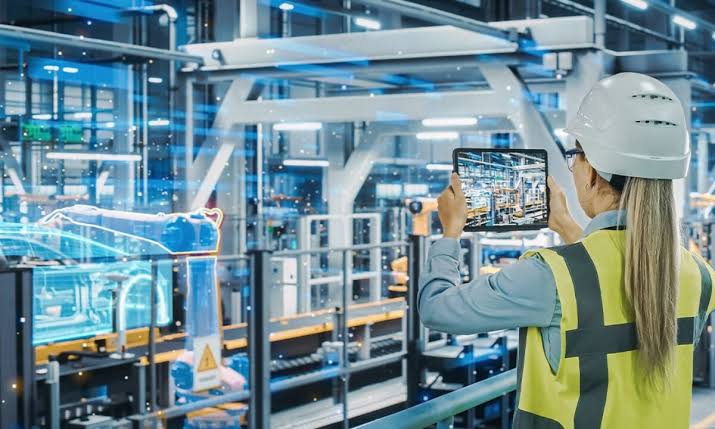
Technology continues to transform the manufacturing industry. From computer-controlled production systems to advanced robotics, modern equipment is changing how businesses manufacture products, manage operations, and improve efficiency.
However, technological advancement also raises an important question: What happens to the value of machinery when newer technology becomes available?
Industrial machinery value is influenced by more than equipment age and physical condition. Software compatibility, automation capabilities, technological obsolescence, and market demand can all affect what a machine is worth.
Understanding these factors helps manufacturers make informed decisions about equipment upgrades, financing, and long-term asset management.
How Technology Influences Industrial Machinery Value
Industrial machinery is designed to perform specific production functions. As technology evolves, newer equipment may offer improved precision, automation, energy efficiency, and production capacity.
For example, a conventional milling machine may continue producing reliable components. However, a newer CNC milling machine might complete similar tasks with less manual intervention and greater repeatability.
These differences can influence buyer preferences and equipment marketability.
Nevertheless, newer technology does not automatically make older equipment worthless.
Some manufacturers continue using older machines because they meet existing production requirements. Others purchase used machinery because it offers sufficient capabilities without the investment required for newer systems.
As a result, industrial machinery value depends on both technological capabilities and the needs of potential buyers.
Understanding Technological Obsolescence
Technological obsolescence occurs when advances in technology reduce the usefulness, efficiency, or market appeal of existing equipment.
In machinery appraisal, this may be considered a form of functional obsolescence.
For instance, an older production machine may require more labor, consume additional energy, or operate at a slower production rate than a modern alternative.
Although the machine remains functional, its operating disadvantages may affect its economic desirability.
Software can also contribute to technological obsolescence.
Certain manufacturing systems depend on proprietary software, operating systems, or electronic controls. When manufacturers discontinue technical support, equipment owners may face challenges maintaining or updating those systems.
However, technological obsolescence must be evaluated in the context of the particular machine and its market.
An older machine that remains productive and has available replacement parts may continue attracting buyers despite newer alternatives.
What Technological Factors Affect Machinery Value?
Several technology-related characteristics can influence the market value of industrial equipment.
Important considerations include:
- Automation capabilities: Machines that reduce manual labor or support automated production may offer operational advantages.
- Software compatibility: Equipment that integrates with current manufacturing systems may be more desirable.
- Precision and performance: Improved accuracy, production speed, and consistency can influence buyer demand.
- Manufacturer support: Access to software updates, replacement parts, and technical assistance affects long-term usability.
- Energy efficiency: Equipment with lower operating costs may offer economic advantages.
- Upgrade potential: Machinery that supports retrofits or control-system upgrades may remain useful for longer periods.
These factors should be considered alongside physical condition, maintenance history, equipment age, and market demand.
For example, two CNC machines manufactured in the same year may have different values if one has updated controls and the other uses an unsupported operating system.
Consequently, a machine’s technological condition can be just as important as its mechanical condition.
Why Older Machinery Still Has a Place in Modern Manufacturing
Despite advances in automation, older industrial machinery continues to serve manufacturers across numerous industries.
Not every production operation requires the latest technology.
A small fabrication shop may use conventional equipment for specialized work, repairs, or limited production runs. In these circumstances, investing in advanced automation may not provide sufficient financial benefits.
Additionally, some older machines are built for demanding industrial applications and can remain productive with appropriate maintenance.
Used machinery can also help businesses expand capacity without purchasing entirely new production systems.
However, equipment buyers must consider potential limitations, including maintenance requirements, replacement-part availability, and compatibility with existing operations.
These considerations demonstrate why older machinery should be evaluated based on its actual capabilities and market conditions rather than its manufacturing date alone.
How Appraisers Evaluate Technology-Related Depreciation
Professional machinery appraisers consider several forms of depreciation and obsolescence when determining equipment value.
Physical deterioration reflects wear, damage, and changes in condition resulting from use, age, or environmental exposure.
Functional obsolescence may result from outdated designs, reduced efficiency, technological limitations, or other disadvantages compared with modern equipment.
Economic obsolescence involves external influences that affect an asset’s value, such as changes in industry demand or market conditions.
Appraisers may use the sales comparison approach to examine transactions involving similar machinery. Differences in technical specifications, software capabilities, and equipment condition may require adjustments.
The cost approach may also be appropriate when evaluating the current cost of replacing a machine’s utility, followed by adjustments for applicable depreciation and obsolescence.
As manufacturing technology continues to evolve, understanding the value of evolving industrial technology becomes increasingly important for businesses evaluating equipment upgrades and existing assets.
A Practical Example of Technology and Equipment Value
Consider a hypothetical manufacturing company operating several CNC machines purchased over the past 15 years.
Some machines have received software updates and control-system improvements. Others continue operating with their original technology.
The company plans to upgrade its production facility and sell several existing machines.
Management initially assumes that the oldest equipment will have the lowest market value.
However, further evaluation reveals that certain older machines remain desirable because of their capabilities, maintenance history, and demand in the secondary market.
Meanwhile, some newer equipment has limited resale appeal because its software is no longer supported.
A professional appraisal considers these differences when developing an opinion of value.
Companies such as Truman Mox provide independent valuations for modern manufacturing assets, helping businesses and financial institutions better understand equipment value as technology changes.
This example illustrates why technological capabilities and market demand should be considered alongside equipment age.
Why Equipment Valuations Matter During Technology Upgrades
Manufacturers frequently invest in new technology to improve productivity, expand capabilities, or reduce operating expenses.
However, replacing equipment often involves important financial decisions.
A company may need to determine the value of machinery being sold, traded, or offered as collateral for financing.
Similarly, businesses considering mergers, acquisitions, or ownership transitions may need documented equipment valuations.
Understanding current machinery values can help management evaluate existing assets before making substantial capital investments.
It also helps distinguish accounting depreciation from market value.
A machine may be fully depreciated on financial statements while continuing to attract buyers in the used equipment market.
Therefore, professional equipment valuation can provide useful information during technology-driven business changes.
The Future of Industrial Machinery Value
Automation, digital manufacturing, and evolving production technology will continue influencing industrial equipment markets.
However, technological advancement does not mean that every older machine immediately loses its usefulness or market value.
Equipment condition, operational capabilities, maintenance history, and buyer demand remain important considerations.
For manufacturers, understanding industrial machinery value requires examining both the technology inside a machine and the economic conditions surrounding it.
As manufacturing continues to evolve, informed equipment valuations can support better decisions about upgrades, financing, and long-term asset management.
