

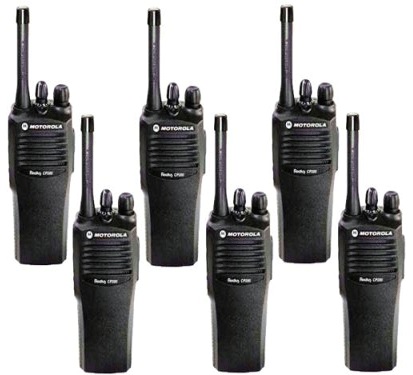
Walkie talkie hire is the process of renting two-way radios for temporary communication needs. These devices allow users to speak instantly across short or long distances without relying on mobile phone networks. Hiring walkie talkies is commonly used for events, construction projects, festivals, security operations, film production, and outdoor activities.
Unlike mobile phones, walkie talkies provide direct communication with the push of a button. This makes them useful in busy environments where quick coordination is needed. Rental services often include the radios, chargers, batteries, headsets, and technical support for the duration of the hire period.
Why Businesses Use Walkie Talkies
Many industries depend on clear communication between staff members. Walkie talkies can improve coordination in environments where teams are spread across large areas or where mobile signals are unreliable.
Events and Festivals
Large public events often involve multiple teams working at the same time. Security staff, organisers, ticketing teams, medical crews, and catering staff may all require instant communication. Walkie talkie hire allows organisers to manage operations efficiently without relying on personal mobile phones.
Construction Sites
Construction sites can be noisy and spread over several floors or outdoor areas. Two-way radios help site managers communicate quickly with workers, delivery drivers, and safety teams. Some radios are designed with durable casings to withstand dust, rain, and impact.
Hospitality and Hotels
Hotels, conference centres, and restaurants use walkie talkies to connect reception staff, cleaners, maintenance teams, and management. This helps improve response times and internal communication during busy periods.
Security Operations
Security companies frequently use radios during crowd control, patrols, and venue protection. Instant communication is essential when responding to incidents or coordinating teams across large properties.
Types of Walkie Talkies Available for Hire
Different environments require different radio systems. Walkie talkie hire providers usually offer a range of devices depending on the intended use.
Licence-Free Radios
Licence-free radios are suitable for small events, shops, warehouses, and local communication. They are simple to use and generally work well over shorter distances. These radios do not require an Ofcom licence in the UK.
Licensed Radios
Licensed radios offer stronger signal coverage and reduced interference. They are often used for larger events, security operations, and industrial settings. Users may need a radio licence depending on the frequency and equipment being used.
Digital Radios
Digital radios provide clearer sound quality and improved battery life compared to analogue systems. They can also include features such as private channels, text messaging, GPS tracking, and emergency alerts.
Waterproof and Heavy-Duty Radios
Outdoor projects and harsh working environments may require rugged radios that are resistant to weather, dust, or accidental drops. These are commonly used on construction sites and outdoor festivals.
Factors to Consider Before Hiring
There are several points to think about before arranging walkie talkie hire.
Coverage Area
The size of the area will influence the type of radios required. Open outdoor spaces may allow greater range, while buildings with thick walls or underground areas can reduce signal strength.
Number of Users
The number of staff members needing radios will determine how many devices and channels are required. Large teams may benefit from organised channel structures to separate departments.
Battery Life
Battery performance is important for long shifts or multi-day events. Some hire companies provide spare batteries or charging stations to ensure continuous use.
Accessories
Many users require accessories such as earpieces, speaker microphones, carry cases, or headset systems. These can improve communication in loud environments or situations where discreet communication is necessary.
Duration of Hire
Walkie talkie hire can be arranged for a single day, a weekend, a week, or longer-term contracts. Costs often vary depending on the hire length and equipment type.
Benefits of Walkie Talkie Hire
Hiring walkie talkies instead of purchasing them can offer several practical advantages.
Lower Initial Costs
For temporary projects or occasional events, hiring radios can be more cost-effective than buying equipment outright. Businesses avoid large upfront spending on devices they may not use regularly.Access to Updated Equipment
Rental companies often maintain modern equipment with updated technology. This allows businesses to use current radio systems without needing to manage upgrades themselves.
Technical Support
Many walkie talkie hire providers offer setup assistance, programming, and technical support. This can be useful for large-scale events or operations where communication systems are critical.
Flexible Quantities
Hiring allows businesses to increase or reduce the number of radios depending on project size or staffing levels. This flexibility is useful for seasonal work and one-off events.
Common Challenges With Two-Way Radios
Although walkie talkies are useful communication tools, there are some limitations to consider.
Signal interference can occur in crowded urban areas or locations with heavy radio traffic. Buildings, tunnels, and remote terrain may also reduce communication range. Inexperienced users may require basic training to understand channels, radio etiquette, and battery management.
For large operations, poor organisation of radio channels can lead to confusion between teams. Proper planning is important to ensure communication remains clear and effective.
Conclusion
Walkie talkie hire provides a practical communication solution for events, businesses, construction projects, hospitality venues, and security operations. Hiring radios allows organisations to access suitable equipment without the long-term commitment of ownership. By selecting the correct radio type, coverage range, and accessories, businesses can improve communication and coordination across a wide range of working environments.
