

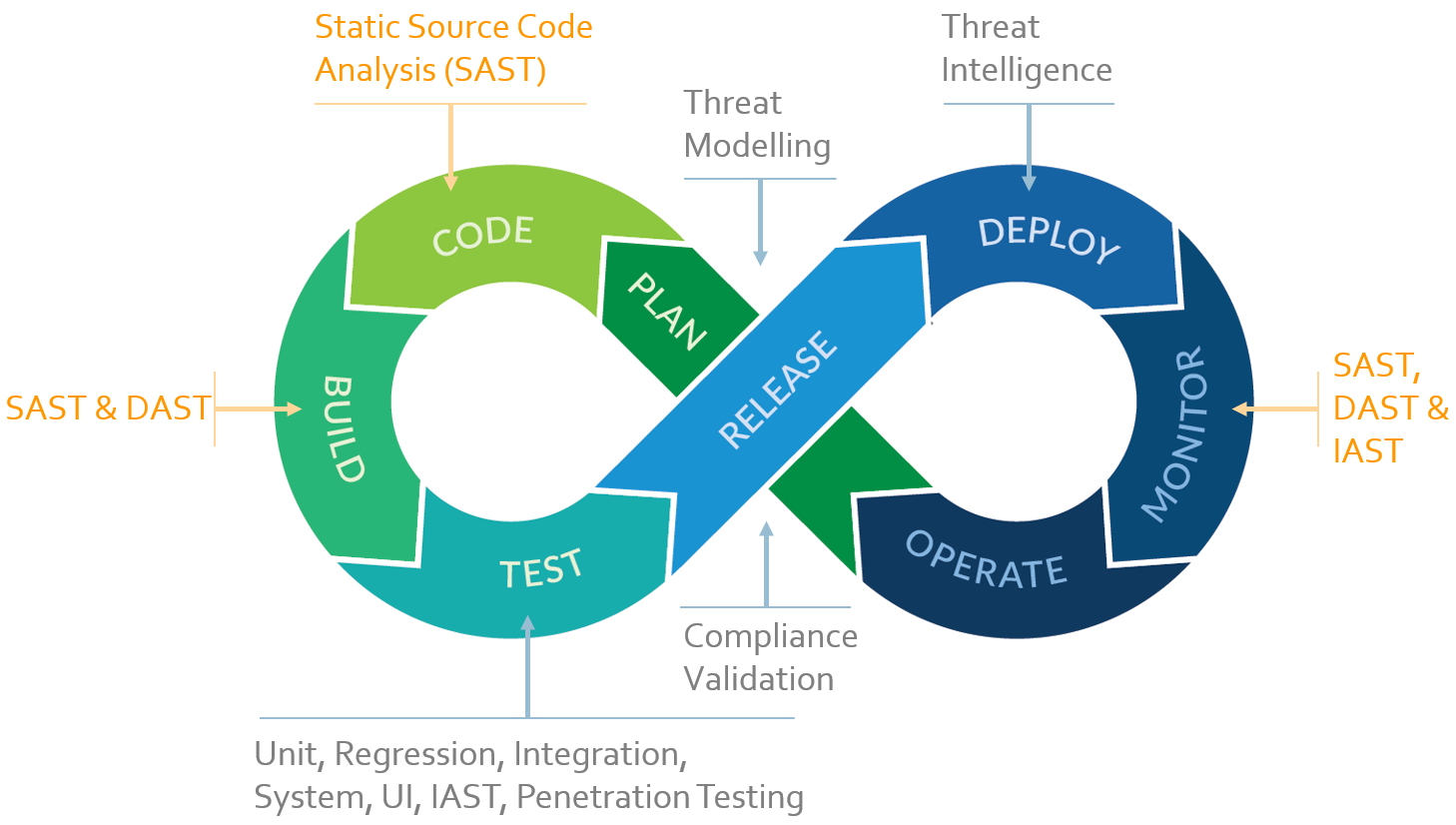
Modern digital systems are rapidly shifting toward distributed intelligence, where computing is no longer limited to centralized servers. Instead, processing is moving closer to devices, sensors, and real-world environments. This transition has made containerization at the edge a key enabler for scalable and flexible computing architectures. In this context, embedded system technologies play a central role in enabling lightweight, efficient, and reliable deployments.
As industries adopt smarter products, the demand for robust embedded computing system design and modular software architectures continues to grow. Microservices and containerization are increasingly adapted for constrained environments, reshaping embedded computing system design across automotive, industrial, IoT, and edge AI applications.
Understanding Edge Containerization in Embedded Environments
Containerization refers to packaging applications and their dependencies into lightweight, portable units that can run consistently across environments. At the edge, this approach is adapted for resource-constrained devices where traditional virtualization is too heavy and inefficient. Unlike cloud environments, an embedded computing system must function with limited memory, computing power, and energy availability, making optimization essential.
In an embedded computing system, containerization isolates workloads such as data processing, communication, and control logic, improving reliability and simplifying updates without system disruption. Combined with modern embedded computing system design principles, it enables independent microservices on edge devices.
Advances in VLSI chip design further enhance this shift through highly integrated chips that support multiple workloads efficiently, enabling faster and closer-to-hardware execution.
Why Microservices Matter at the Edge
Traditional embedded computing system design relied on monolithic software structures, where all functionalities were tightly coupled. However, modern applications require flexibility and scalability. Microservices architecture addresses this challenge by breaking applications into smaller, independent services.
In an embedded computing system, microservices can handle specific tasks such as sensor data acquisition, edge analytics, communication protocols, or device management. This modularity allows developers to update or replace individual components without affecting the entire system.
When combined with containerization, microservices become even more powerful. Each service can be deployed within a lightweight container, ensuring consistency across development, testing, and production environments. This approach significantly improves embedded computing system design efficiency and reduces deployment complexity.
Key Techniques for Containerizing Embedded Microservices
1. Lightweight Container Runtime Selection
Not all container engines are suitable for embedded computing system environments. Lightweight runtimes are preferred because they consume fewer resources while maintaining isolation. Optimized container engines enable efficient execution of microservices on constrained hardware.
In embedded computing system design, selecting the right runtime is critical to ensure performance stability. Engineers must balance resource usage with functionality, especially in systems with strict power and thermal constraints.
2. Hardware-Aware Container Optimization
Effective deployment requires awareness of the underlying hardware architecture. VLSI chip design advancements allow better integration of CPUs, GPUs, and specialized accelerators. Containerized workloads can be mapped to these hardware resources for optimal performance.
In embedded computing system deployments, hardware-aware scheduling ensures that compute-intensive microservices run on appropriate processing units, improving efficiency and reducing latency.
3. Real-Time Orchestration at the Edge
Unlike cloud environments, edge systems often require real-time responsiveness. Container orchestration frameworks adapted for embedded computing system environments help manage service deployment, scaling, and recovery.
Embedded computing system design must account for deterministic behavior, ensuring that critical microservices meet timing requirements. Lightweight orchestration tools are increasingly being used to manage distributed edge workloads effectively.
4. Secure Container Deployment
Security is a major concern in distributed embedded computing system environments. Containerization introduces isolation, but additional measures are needed to secure communication between microservices.
Embedded system design must incorporate secure boot, encrypted communication, and runtime integrity checks. With increasing connectivity, especially in IoT ecosystems, security at the container level becomes essential to protect against vulnerabilities.
5. Resource-Constrained Optimization
Edge devices often operate with limited memory and processing power. Efficient resource allocation is essential for maintaining system stability.
In embedded computing system design, developers must optimize container size, reduce unnecessary dependencies, and streamline microservices. This ensures smooth execution even under constrained conditions.
Role of VLSI Design in Edge Containerization
The evolution of VLSI design has been instrumental in enabling advanced edge computing capabilities. Modern chips integrate multiple processing units, memory hierarchies, and specialized accelerators that support parallel execution of containerized workloads.
In embedded computing system environments, VLSI chip design improvements allow microservices to run closer to hardware, reducing communication overhead and improving system responsiveness. This integration bridges the gap between software containerization and hardware efficiency.
As embedded computing system design continues to evolve, co-designing software architecture with VLSI chip design principles becomes increasingly important for achieving high performance at the edge.
Challenges in Deploying Embedded Microservices
While containerization offers many benefits, implementing it in embedded computing system environments presents challenges.
Resource limitations remain a primary concern. Unlike cloud platforms, embedded computing system devices cannot scale resources dynamically. This requires careful planning in embedded computing system design to ensure stability.
Another challenge is orchestration complexity. Managing multiple microservices on distributed edge devices requires lightweight yet reliable control mechanisms.
Compatibility with legacy systems is also a concern. Many existing embedded computing system design architectures were not built for containerization, making integration difficult.
Finally, real-time constraints in critical applications such as automotive and industrial control demand deterministic performance, which can be difficult to guarantee in containerized environments.
Conclusion
Containerization at the edge is reshaping modern computing by enabling modular, scalable, and efficient embedded system deployments. With evolving embedded computing system design practices and advancements in VLSI chip design, edge devices can now support intelligent microservices with improved performance and flexibility. This approach reduces complexity, enhances reliability, and accelerates innovation across connected systems in automotive, industrial, and IoT applications.
Leading global semiconductor engineering partner, Tessolve, delivers advanced engineering capabilities across semiconductor and product development domains. Their expertise includes embedded computing system development, silicon validation, and end-to-end embedded computing system design services. With strong capabilities in VLSI chip design, testing, and hardware-software integration, Tessolve enables high-performance electronic products. Their global engineering labs and specialists accelerate innovation from concept to production while ensuring quality, scalability, and efficient execution across industries.
