

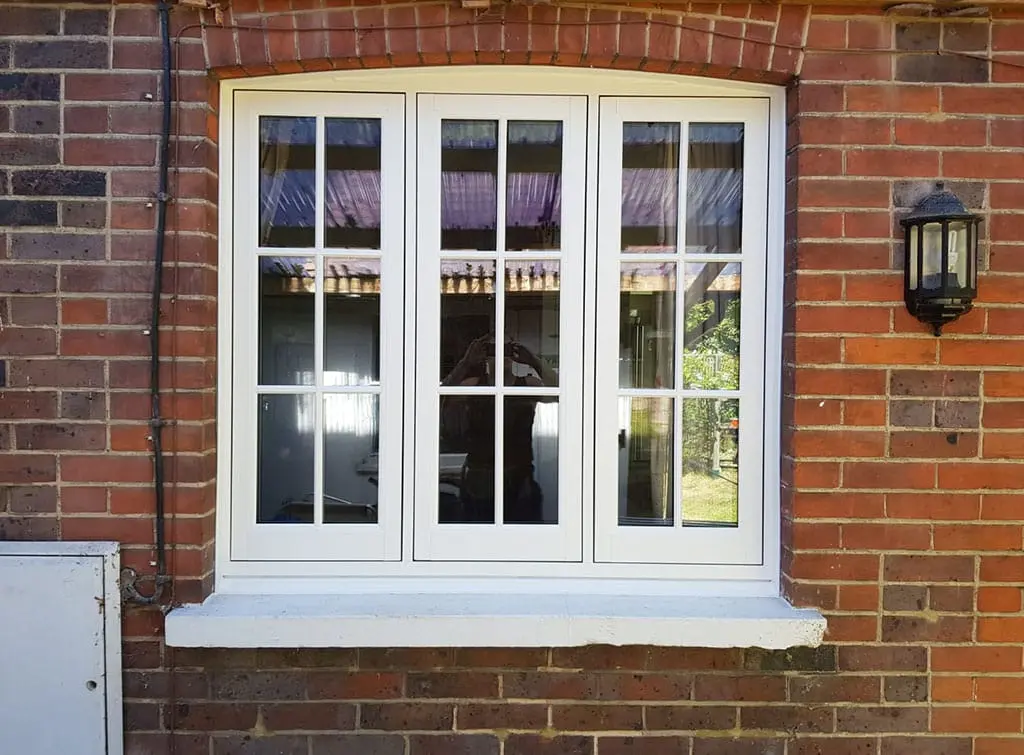
For many homeowners across the United Kingdom, sash windows represent more than just a practical part of a property. They are a defining architectural feature, particularly in Victorian, Georgian, and Edwardian homes. Elegant, traditional, and often associated with period character, sash windows continue to be a popular choice for both restoration projects and new installations.
Yet despite their popularity, one question dominates conversations around sash windows: how much do they actually cost?
The answer is rarely simple. The cost of sash windows varies considerably depending on materials, glazing specifications, installation requirements, location, and property type. A homeowner replacing two timber sash windows in a listed London townhouse will receive a dramatically different quote from someone installing modern uPVC sash windows in a suburban semi-detached property.
This complexity has led to growing demand for digital tools that help homeowners estimate costs before requesting formal quotations. The rise of the sash window cost calculator reflects a wider trend within the home improvement sector: consumers want transparency, speed, and reliable budgeting information before engaging with contractors.
Understanding how sash window pricing works is essential for anyone considering a replacement project. By examining the key factors that influence costs, homeowners can make informed decisions and avoid unexpected expenses later in the process.
Why Sash Windows Remain Popular
Sash windows have been a feature of British architecture for centuries. Their distinctive sliding design offers a combination of practicality and visual appeal that has helped them remain relevant even as newer window styles have emerged.
Unlike outward-opening casement windows, traditional sash windows slide vertically, allowing controlled ventilation without projecting into external space. This makes them particularly suitable for urban properties where space is limited.
Many homeowners choose sash windows because they preserve the character of period properties. Estate agents frequently note that original or high-quality replacement sash windows can enhance kerb appeal and contribute positively to property value.
Modern sash windows also incorporate advanced technologies that improve energy efficiency, security, and durability, addressing many of the shortcomings associated with older designs.
Understanding the Main Types of Sash Windows
Before examining costs, it is important to understand the different types of sash windows available on the UK market.
Traditional Timber Sash Windows
Timber sash windows remain the preferred choice for many heritage properties. They provide an authentic appearance and are often required in conservation areas or listed buildings.
Although visually appealing, timber windows generally command the highest prices due to material costs and specialist manufacturing requirements.
uPVC Sash Windows
uPVC sash windows have grown significantly in popularity over the last two decades. They offer the appearance of traditional sash windows while requiring less maintenance.
For budget-conscious homeowners, uPVC often represents the most cost-effective option.
Aluminium Sash Windows
Aluminium sash windows are less common but increasingly popular in contemporary developments. They combine slim sightlines with excellent durability.
While more expensive than uPVC, aluminium often provides a modern aesthetic that appeals to design-focused homeowners.
Average Sash Window Costs in the UK
The following ranges provide a useful guide for typical installation costs:
- uPVC sash windows: £700–£1,500 per window
- Timber sash windows: £1,200–£3,000 per window
- Aluminium sash windows: £1,000–£2,500 per window
These figures include supply and installation but should only be treated as broad estimates.
The final cost depends on numerous project-specific variables.
What Influences the Cost of Sash Windows?
Material Selection
Material remains the single biggest pricing factor.
Timber windows require skilled craftsmanship and higher material costs, making them substantially more expensive than uPVC alternatives.
Window Size
Larger windows require more material and often involve more complex installation processes.
Custom dimensions can significantly increase manufacturing costs.
Glazing Specification
Most modern sash windows are fitted with double glazing, but homeowners increasingly consider triple glazing for improved thermal performance.
Enhanced glazing options increase both manufacturing and installation costs.
Property Condition
Older properties frequently present hidden challenges.
Rotting timber, structural movement, damaged brickwork, and outdated frames can all increase labour requirements.
Access Requirements
Installing windows on upper floors often requires scaffolding or specialist access equipment.
This can add hundreds or even thousands of pounds to the total project cost.
The Hidden Costs Many Homeowners Overlook
One of the most common mistakes made by homeowners is focusing exclusively on window prices while overlooking associated costs.
Potential additional expenses include:
- Removal and disposal of existing windows
- Structural repairs
- Internal plastering
- Exterior finishing
- Decorating
- Scaffolding
- Planning approvals
These costs can add 15–30% to the overall project budget.
Why Quotes Often Differ So Much
Many homeowners are surprised when they receive dramatically different quotations from multiple installers.
Several factors contribute to these discrepancies:
- Different product specifications
- Variations in labour rates
- Different warranty offerings
- Geographic pricing differences
- Company overheads
Comparing quotations requires careful examination of what is actually included.
The cheapest quote is not always the best value.
The Role of Sash Window Cost Calculators
As pricing becomes more complex, homeowners increasingly use digital estimation tools during the research phase.
A sash window cost calculator allows users to input project details and receive an approximate cost range based on current market conditions.
The advantages include:
- Faster budgeting
- Improved transparency
- Better planning
- Easier comparison of materials
- Greater confidence when discussing projects with installers
Rather than replacing professional surveys, calculators provide a useful starting point.
Budgeting for a Full Property Replacement
A common question involves total project costs rather than individual window prices.
For example:
Small Terrace House
6 windows:
- uPVC: £4,500–£8,000
- Timber: £8,000–£18,000
Semi-Detached House
8 windows:
- uPVC: £6,000–£12,000
- Timber: £10,000–£24,000
Detached House
12 windows:
- uPVC: £9,000–£18,000
- Timber: £15,000–£36,000
Again, these are estimates rather than guarantees.
Energy Efficiency and Long-Term Savings
Modern sash windows can significantly improve energy performance.
Benefits include:
- Reduced heat loss
- Lower energy bills
- Improved comfort
- Reduced condensation
- Better acoustic insulation
Although high-performance glazing increases upfront costs, many homeowners consider the long-term benefits worthwhile.
Choosing the Right Installer
The quality of installation is often more important than the product itself.
Homeowners should:
- Request multiple quotations
- Check certifications
- Review previous work
- Verify guarantees
- Read customer reviews
Poor installation can undermine even the highest-quality windows.
Common Mistakes to Avoid
Several mistakes repeatedly occur during sash window replacement projects:
- Choosing based solely on price
- Ignoring hidden costs
- Failing to compare specifications
- Underestimating installation complexity
- Overlooking planning restrictions
Avoiding these pitfalls can save significant money and frustration.
The Future of Sash Window Pricing
The sash window market continues to evolve.
Advances in manufacturing, glazing technology, and digital quoting tools are making pricing more transparent than ever before.
At the same time, demand for energy-efficient home improvements is likely to keep pressure on pricing.
Homeowners who invest time in understanding costs before requesting quotations are consistently better positioned to make informed decisions.
Final Thoughts
Sash windows remain one of the most attractive and valuable window styles available to UK homeowners. However, their pricing can be difficult to navigate without a clear understanding of the factors involved.
From material selection and glazing choices to installation complexity and hidden expenses, numerous variables influence the final cost of a project.
A sash window cost calculator provides an effective starting point, helping homeowners build realistic budgets before approaching installers.
While no calculator can replace a professional survey, informed planning remains the best way to avoid surprises and achieve successful results.
