

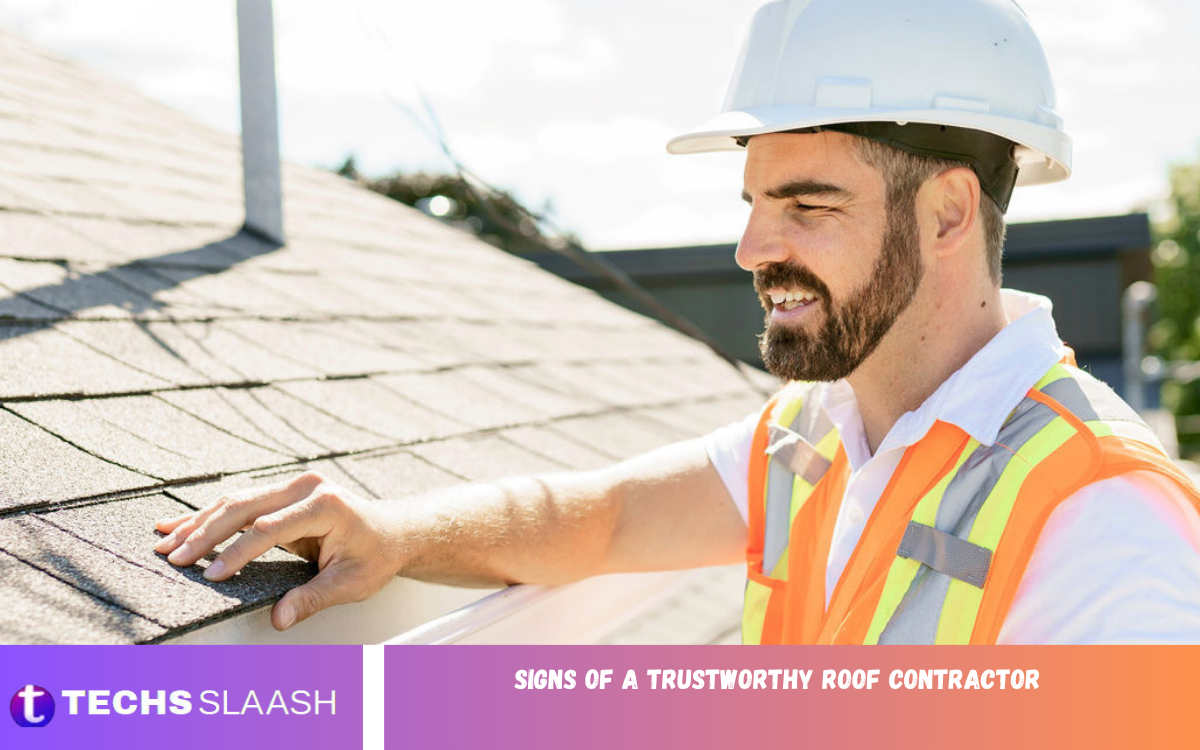
Your roof is one of the most important parts of your home, protecting your family, belongings, and property from harsh weather and structural damage. Whether you need a minor repair, a complete roof replacement, or routine maintenance, choosing the right roofing contractor is essential.
Knowing the signs of a trustworthy roof contractor can help you avoid costly mistakes and protect your investment. Reputable roofing professionals are properly licensed and insured, have positive customer reviews, offer written estimates, and stand behind their work with solid warranties.
Why Choosing the Right Roof Contractor Matters?
A roof represents one of the largest investments in any property. Poor installation can lead to water leaks, mold growth, insulation problems, structural damage, and premature roof failure.
Hiring a trustworthy contractor provides several advantages:
- High-quality workmanship
- Long-lasting roofing materials
- Manufacturer warranty protection
- Safe construction practices
- Accurate project timelines
- Honest pricing
- Better property value
- Peace of mind
Choosing based only on the lowest quote often leads to higher repair costs later.
Proper Licensing and Insurance
One of the first Signs of a Trustworthy Roof Contractor is valid licensing and insurance.
Professional contractors operate legally and comply with local building regulations. Licensing demonstrates that the contractor meets industry standards and understands roofing codes.
Insurance is equally important.
A reputable roofing contractor carries:
- General liability insurance
- Workers’ compensation insurance
Without insurance, homeowners could become financially responsible for accidents or property damage during construction.
Always request proof before work begins.
Strong Local Reputation
Reliable roofing companies establish strong reputations within their communities.
Local contractors depend on customer satisfaction and referrals rather than quick profits.
Look for companies with:
- Years of local experience
- Positive community recognition
- Local office location
- Established business history
A contractor with deep roots in the community is far less likely to disappear after completing the project.
Positive Customer Reviews
Customer feedback provides valuable insight into a contractor’s professionalism.
Review multiple platforms rather than relying on a single website.
Pay attention to comments regarding:
- Quality of work
- Communication
- Project completion
- Cleanup
- Warranty service
- Professional behavior
Consistent positive reviews usually indicate reliable service.
A few negative reviews are normal, but repeated complaints should raise concerns.
Detailed Written Estimates
Professional roof contractors provide written estimates rather than verbal promises.
A complete estimate includes:
- Material costs
- Labor costs
- Roof size
- Project timeline
- Warranty information
- Cleanup services
- Payment schedule
Detailed estimates eliminate confusion and reduce unexpected expenses.
Never accept vague pricing.
Clear Communication
Excellent communication remains one of the strongest Signs of a Trustworthy Roof Contractor.
Professional contractors explain every stage of the roofing project.
They answer questions regarding:
- Roofing materials
- Installation process
- Inspection findings
- Project schedule
- Additional costs
- Warranty coverage
Transparent communication builds confidence throughout the project.
Read Also: Reliable Cross-Country Moving Tips
Experience in Roofing
Experience significantly improves installation quality.
Experienced roofing contractors understand:
- Roof ventilation
- Leak prevention
- Flashing installation
- Structural issues
- Weather protection
- Material compatibility
Years of practical experience reduce installation mistakes and improve roof performance.
Ask how long the contractor has specialized in roofing rather than general construction.
Manufacturer Certifications
Many roofing manufacturers certify contractors who complete specialized training.
Certified contractors understand proper installation techniques required to maintain manufacturer warranties.
Certification often demonstrates:
- Professional training
- Product knowledge
- Installation expertise
- Continued education
Manufacturer certification reflects a commitment to quality workmanship.
High-Quality Roofing Materials
Reliable contractors never compromise on material quality.
Professional roofing companies explain the differences between available products, including:
- Asphalt shingles
- Metal roofing
- Clay tiles
- Slate roofing
- Synthetic roofing
- Flat roofing systems
They recommend products based on climate, budget, durability, and home design rather than profit margins.
Written Warranty
Every roofing project should include written warranty documentation.
A trustworthy contractor provides:
Workmanship Warranty
Covers installation errors.
Manufacturer Warranty
Covers material defects.
Understand:
- Warranty duration
- Covered repairs
- Exclusions
- Claim procedures
Reliable contractors confidently stand behind their work.
No High-Pressure Sales Tactics
Dishonest contractors often pressure homeowners into making immediate decisions.
Warning signs include:
- “Today only” discounts
- Large upfront deposits
- Fear-based sales tactics
- Refusal to provide written estimates
Professional contractors encourage customers to compare quotes before making a decision.
Professional Contract
Never begin roofing work without a signed contract.
A complete roofing contract includes:
- Scope of work
- Roofing materials
- Total project cost
- Payment schedule
- Completion timeline
- Warranty details
- Cleanup responsibilities
- Permit information
Everything discussed verbally should appear in writing.
Fair and Transparent Pricing
The cheapest contractor rarely provides the best value.
Trustworthy roofing companies explain pricing in detail.
Transparent pricing includes:
- Material costs
- Labor charges
- Permit fees
- Waste disposal
- Additional repairs
Avoid contractors who refuse to explain estimates.
Safety Standards
Roof installation involves significant safety risks.
Professional contractors follow strict safety procedures, including:
- Protective equipment
- Fall protection systems
- Ladder safety
- OSHA compliance
- Proper equipment maintenance
Safe work practices protect both workers and homeowners.
Permits and Building Code Compliance
Reliable contractors obtain required permits before beginning work.
They also ensure installations comply with local building regulations.
Proper permits protect homeowners during:
- Property sales
- Insurance claims
- Home inspections
- Future renovations
Skipping permits often creates legal and financial complications.
Portfolio of Completed Projects
Experienced contractors proudly showcase previous work.
Request examples of:
- Residential roofing
- Commercial roofing
- Roof replacements
- Storm damage repairs
- Metal roofing installations
- Asphalt shingle projects
A strong portfolio demonstrates skill, consistency, and craftsmanship.
Clean Job Site
Professional roofers maintain organized work areas.
Good cleanup includes:
- Removing old shingles
- Collecting nails
- Disposing of debris
- Protecting landscaping
- Cleaning gutters
Leaving a property clean reflects professionalism and attention to detail.
Reliable References
Ask for recent customer references.
Previous clients can discuss:
- Overall satisfaction
- Communication
- Project quality
- Timeliness
- Warranty support
Speaking directly with former customers provides confidence before hiring.
Financial Stability
Established roofing companies maintain stable business operations.
Financial stability often means:
- Better supplier relationships
- Reliable warranties
- Skilled employees
- Long-term customer support
Avoid contractors who frequently change company names or contact information.
Honest Recommendations
Trustworthy contractors recommend only necessary repairs.
Instead of selling expensive replacements immediately, experienced professionals explain:
- Remaining roof lifespan
- Repair options
- Replacement benefits
- Cost comparisons
Honest advice builds long-term customer relationships.
Strong Customer Service
Excellent customer service continues after project completion.
Professional contractors remain available for:
- Warranty questions
- Maintenance advice
- Emergency repairs
- Follow-up inspections
Responsive service demonstrates commitment to customer satisfaction.
Red Flags to Avoid
Knowing warning signs is equally important.
Avoid contractors who:
- Request full payment before work begins
- Lack insurance
- Cannot provide references
- Avoid written contracts
- Offer extremely low prices
- Have numerous unresolved complaints
- Refuse permits
- Use poor-quality materials
- Pressure immediate decisions
- Have no physical business location
Recognizing these warning signs protects homeowners from roofing scams.
Questions to Ask Before Hiring
Before signing a contract, ask:
- Are you licensed and insured?
- How many years have you been in business?
- Can you provide references?
- What warranties do you offer?
- Will permits be obtained?
- Which roofing materials do you recommend?
- How long will the project take?
- How will weather delays be handled?
- Who supervises the installation?
- What cleanup services are included?
These questions help identify professional contractors.
Frequently Asked Questions
Should I get multiple roofing estimates?
Yes. Comparing at least three written estimates helps you evaluate pricing, materials, warranties, and services before making a final decision.
What should be included in a roofing contract?
A roofing contract should include the project scope, materials, labor costs, payment schedule, timeline, warranty information, permits, and cleanup responsibilities.
How much should I pay upfront for a roofing project?
Most reputable roofing contractors request a reasonable deposit rather than full payment before work begins. Avoid contractors who demand the entire payment up front.
Do trustworthy roofing contractors provide warranties?
Yes. Reliable roofing contractors typically offer a workmanship warranty in addition to the manufacturer’s warranty for roofing materials.
How long does a typical roof replacement take?
Most residential roof replacements take one to three days, depending on the roof size, weather conditions, material type, and project complexity.
What are the warning signs of a roofing scam?
Common warning signs include no license or insurance, unusually low prices, pressure to sign immediately, lack of a written contract, and requests for full payment before work starts.
How often should I have my roof inspected?
Roofing experts recommend scheduling a professional roof inspection at least once a year and after severe storms to identify damage before it becomes a costly problem.
Conclusion
Finding the right roofing professional requires careful research rather than rushing into a decision. The Signs of a Trustworthy Roof Contractor include proper licensing and insurance, transparent pricing, strong customer reviews, written warranties, excellent communication, high-quality materials, and extensive industry experience.
Investing time in selecting the right contractor protects your home, extends your roof’s lifespan, and prevents costly repairs from poor workmanship.
