

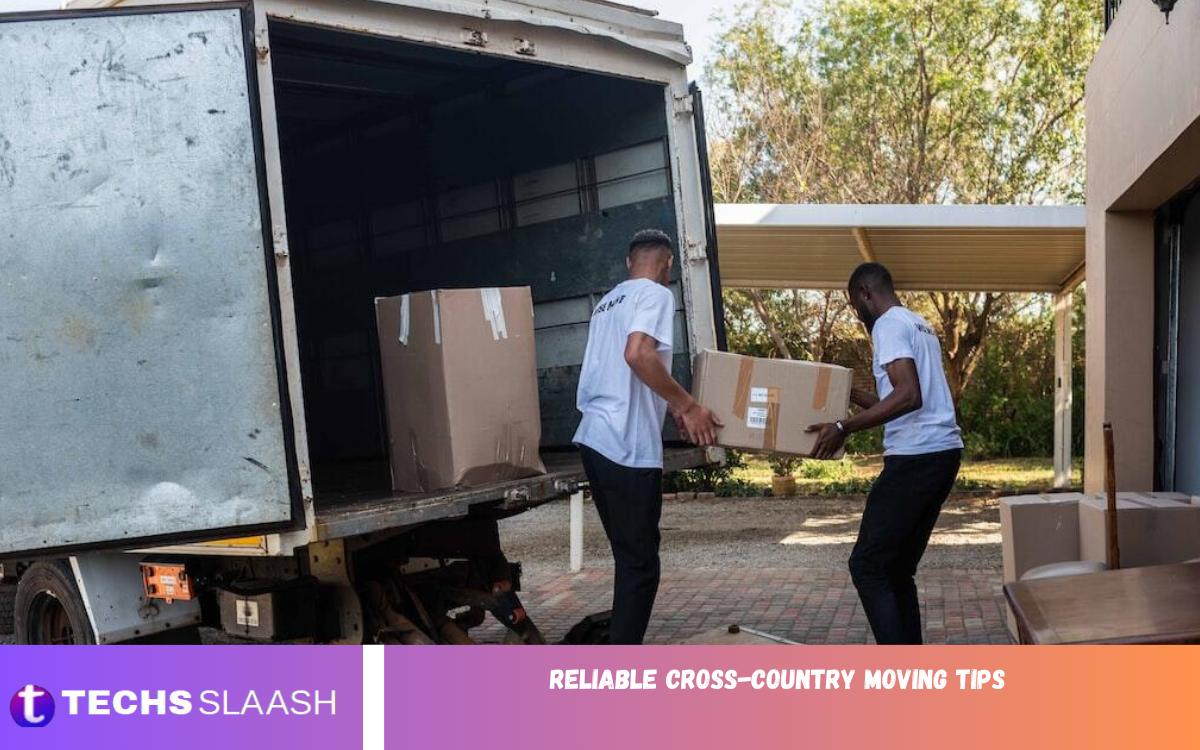
Moving to a new state or across the country is an exciting milestone, but it also requires careful planning to avoid unnecessary stress, delays, and unexpected expenses. Whether you are relocating for work, family, education, or a fresh start, following reliable cross-country moving tips can make the entire process smoother and more efficient.
A well-planned cross-country relocation starts weeks or even months before moving day. Decluttering your home, packing strategically, labeling boxes clearly, and protecting valuable items can save both time and money. It is equally important to compare moving quotes, verify company credentials, and understand insurance options to safeguard your possessions during transit.
Why Planning Matters for Cross-Country Moves?
Long-distance moves involve significantly more logistics than local relocations. Hundreds or even thousands of miles separate your current home from your destination. Weather conditions, transportation routes, moving schedules, and storage requirements all affect the moving process.
A well-organized moving plan helps you:
- Stay within budget
- Avoid last-minute stress
- Protect valuable belongings
- Prevent forgotten tasks
- Reduce moving time
- Coordinate with movers efficiently
Planning several weeks before moving day provides enough time to solve unexpected problems without panic.
Create a Cross-Country Moving Checklist
One of the most reliable cross-country moving tips is to create a complete moving checklist.
Your checklist should include:
- Set a moving date
- Create a moving budget
- Compare moving companies
- Collect moving estimates
- Declutter every room
- Purchase packing supplies
- Notify utility companies
- Change mailing address
- Organize important documents
- Pack room by room
- Prepare an essentials bag
- Confirm moving schedule
Breaking the move into smaller tasks makes the process much easier.
Set a Realistic Moving Budget
Cross-country moving expenses can quickly increase without proper financial planning.
Common moving costs include:
- Professional movers
- Packing materials
- Transportation
- Fuel
- Hotel stays
- Meals
- Temporary storage
- Insurance
- Cleaning services
- Utility deposits
Track every expected expense before moving day. Include an emergency fund for unexpected situations.
Comparing multiple estimates helps identify fair pricing without sacrificing service quality.
Declutter Before Packing
Packing unnecessary belongings increases moving costs because most moving companies charge based on shipment weight or volume.
Go through every room carefully.
Separate belongings into categories:
- Keep
- Donate
- Sell
- Recycle
- Dispose
Decluttering provides several benefits:
- Lower moving costs
- Faster packing
- Less unpacking
- More organized new home
- Reduced stress
Consider holding a garage sale or selling unused furniture online before moving.
Choose a Reliable Moving Company
Hiring trustworthy movers remains one of the most important reliable cross-country moving tips.
Research each company carefully before signing a contract.
Look for:
- Proper licensing
- Insurance coverage
- Positive customer reviews
- Transparent pricing
- Years of experience
- Written estimates
- Professional customer support
Avoid companies requesting large upfront deposits.
Always request a detailed written estimate explaining:
- Total cost
- Additional fees
- Delivery timeline
- Insurance options
- Cancellation policy
Reliable movers answer questions clearly without pressure.
Read Also: Benefits of Selling Your House for Cash
Compare Multiple Moving Quotes
Never hire the first moving company without comparing alternatives.
Request estimates from at least three companies.
Compare:
- Total pricing
- Included services
- Insurance coverage
- Pickup schedule
- Delivery window
- Customer reviews
- Hidden charges
The cheapest option does not always provide the best service.
Focus on overall value instead of price alone.
Purchase Quality Packing Supplies
Strong packing materials protect belongings throughout long-distance transportation.
Essential supplies include:
- Heavy-duty moving boxes
- Packing tape
- Bubble wrap
- Packing paper
- Stretch wrap
- Furniture blankets
- Plastic storage bins
- Permanent markers
- Labels
- Zip-lock bags
High-quality supplies reduce damage during loading, transportation, and unloading.
Pack Room by Room
Packing every room separately keeps belongings organized.
Label every box with:
- Room name
- Contents
- Fragile items
- Priority level
Example:
Kitchen – Plates – Fragile
Bedroom – Winter Clothes
Office – Computer Accessories
Color-coded labels further simplify unpacking after arrival.
Protect Fragile Items Carefully
Glassware, electronics, artwork, mirrors, and decorative pieces require extra protection.
Reliable packing techniques include:
- Wrap each item individually
- Fill empty box spaces
- Use double-wall boxes
- Mark boxes as fragile
- Avoid overpacking
Televisions, laptops, gaming consoles, and monitors should travel inside original packaging whenever possible.
Pack an Essentials Box
Your shipment may arrive several days after you reach your destination.
Prepare an essentials box containing:
- Medications
- Phone chargers
- Toiletries
- Clothing
- Snacks
- Bottled water
- Important documents
- Pet supplies
- Children’s necessities
- Basic kitchen items
Keep this box with you rather than loading it into the moving truck.
Organize Important Documents
Store critical paperwork separately.
Include:
- Identification
- Passports
- Birth certificates
- Medical records
- School records
- Insurance policies
- Lease agreements
- Financial documents
- Vehicle registration
Carry these documents personally throughout the move.
Notify Utility Providers
Avoid interruptions by scheduling utility transfers before moving.
Contact providers for:
- Electricity
- Water
- Gas
- Internet
- Cable
- Trash collection
Arrange activation before arrival whenever possible.
Update Your Address
Address changes help prevent lost mail.
Notify:
- Banks
- Credit card companies
- Insurance providers
- Government agencies
- Employer
- Schools
- Healthcare providers
- Online shopping accounts
Updating addresses early prevents delays.
Prepare Vehicles for Long-Distance Travel
Driving across the country requires vehicle preparation.
Complete:
- Oil change
- Tire inspection
- Brake inspection
- Battery testing
- Fluid replacement
- Emergency kit preparation
Carry:
- Flashlight
- Jumper cables
- First-aid kit
- Tire inflator
- Water
- Snacks
- Navigation device
Reliable transportation reduces travel delays.
Moving with Children
Children often struggle with major relocations.
Help them adjust by:
- Explaining the move early
- Visiting the new area virtually
- Allowing participation in packing
- Packing favorite toys separately
- Maintaining familiar routines
Positive communication reduces anxiety.
Moving with Pets
Pets require extra planning during cross-country moves.
Recommendations include:
- Schedule a veterinary checkup
- Update identification tags
- Carry vaccination records
- Pack food and medication
- Bring favorite toys
- Maintain hydration during travel
Never leave pets inside moving trucks.
Understand Moving Insurance
Even experienced movers cannot eliminate every risk.
Insurance options generally include:
Basic Coverage
Limited protection based on shipment weight.
Full Value Protection
Greater reimbursement for damaged or lost belongings.
Review coverage carefully before choosing.
Prepare Furniture Properly
Disassemble large furniture whenever possible.
Remove:
- Table legs
- Bed frames
- Shelves
- Mirrors
- Glass panels
Place screws inside labeled plastic bags.
Wrap furniture with moving blankets and stretch wrap.
Proper preparation prevents scratches and structural damage.
Keep Electronics Safe
Electronics require careful handling.
Before packing:
- Back up important files
- Disconnect cables
- Photograph cable arrangements
- Remove batteries
- Protect screens
Label cables to simplify setup in the new home.
Avoid Common Cross-Country Moving Mistakes
Many moving problems result from preventable errors.
Common mistakes include:
- Waiting until the last minute
- Hiring unverified movers
- Forgetting insurance
- Packing valuables inside moving trucks
- Underestimating expenses
- Poor labeling
- Ignoring inventory lists
- Not measuring furniture for the new home
Planning eliminates most of these issues.
Track Your Shipment
Many professional movers provide shipment tracking.
Tracking helps:
- Monitor progress
- Estimate delivery
- Coordinate arrival
- Reduce uncertainty
Maintain communication with your moving company throughout the transportation process.
Inspect Belongings Upon Delivery
Before signing delivery paperwork:
- Inspect boxes
- Check furniture
- Test electronics
- Compare inventory
- Photograph damage
- Report missing items immediately
Prompt reporting simplifies insurance claims.
Unpack Efficiently
Unpacking becomes easier with a structured approach.
Priority order:
- Essentials
- Kitchen
- Bathrooms
- Bedrooms
- Living room
- Office
- Decorations
Take one room at a time rather than unpacking everything simultaneously.
Settle into Your New Community
Successful relocation continues after unpacking.
Complete the following:
- Register your vehicle
- Find nearby healthcare providers
- Explore grocery stores
- Locate pharmacies
- Discover parks
- Meet neighbors
- Learn local transportation
- Update voter registration if applicable
Early exploration helps create familiarity.
Tips to Reduce Moving Costs
Saving money remains a priority during long-distance moves.
Consider these strategies:
- Move during the off-season.
- Declutter before packing.
- Compare several estimates.
- Pack your personal belongings yourself.
- Reuse sturdy boxes.
- Book movers early.
- Avoid unnecessary storage.
- Sell unwanted furniture.
- Use free packing materials from local stores.
- Bundle moving services when available.
Small savings across multiple categories significantly reduce total expenses.
Frequently Asked Questions
Should I purchase moving insurance?
Yes. Basic liability coverage is usually included, but full-value protection offers better financial security if your belongings are lost or damaged during the move.
What items should I keep with me instead of loading onto the moving truck?
Keep important documents, medications, valuables, electronics, chargers, essential clothing, toiletries, and any daily necessities with you throughout the move.
How do I pack fragile items safely for a long-distance move?
Wrap each fragile item individually with bubble wrap or packing paper, use sturdy boxes, fill empty spaces with cushioning materials, and clearly label boxes as “Fragile.”
How long does a cross-country move usually take?
Most cross-country moves take 5 to 14 days, depending on the distance, weather conditions, moving schedule, and transportation route.
What is an essentials box, and why is it important?
An essentials box contains items you’ll need immediately after arriving at your new home, such as toiletries, medications, phone chargers, snacks, important documents, and a few changes of clothes.
How can I stay organized during a cross-country move?
Create a detailed moving checklist, label every box by room and contents, keep an inventory of your belongings, and schedule important tasks well in advance.
What should I do after arriving at my new home?
Inspect your belongings for any damage, unpack essential items first, set up utilities, update your address if necessary, explore your neighborhood, and gradually organize each room to ease the transition.
Conclusion
Reliable cross-country moving tips focus on preparation, organization, and smart decision-making. Every successful long-distance relocation begins with a detailed plan, a realistic budget, a trustworthy moving company, and an efficient packing strategy.
With family commitments or a fresh beginning, careful planning transforms a challenging move into a manageable process. Following these professional cross-country moving strategies helps protect your belongings, control expenses, and ensure a smooth transition into your new home with confidence.
