

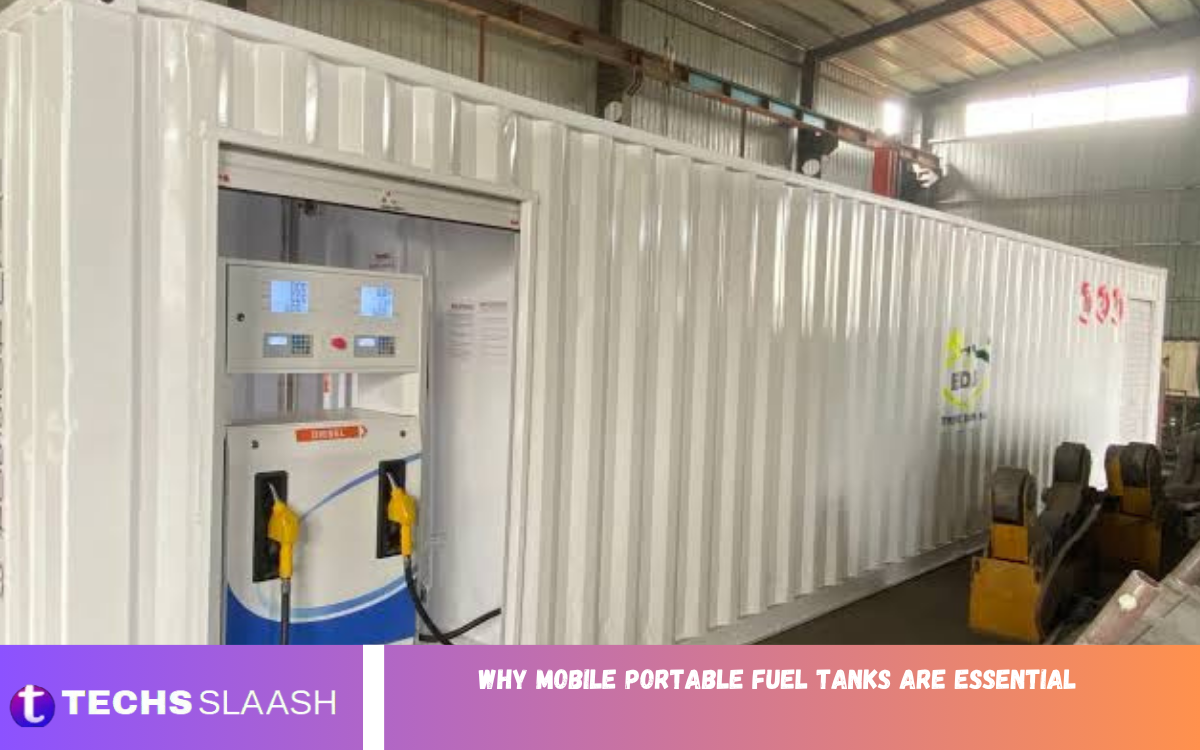
Mobile portable fuel tanks have become an essential solution for individuals and businesses that rely on fuel-powered equipment in remote locations or during daily operations. Whether you’re working on a construction site, managing a farm, operating heavy machinery, or enjoying outdoor adventures, having a reliable fuel supply improves efficiency and minimizes downtime.
Designed for convenience, durability, and safety, modern mobile portable fuel tanks are available in various sizes and materials to suit different applications. Many models feature built-in pumps, secure locking systems, and weather-resistant construction, making fuel transfer faster and more efficient.
What Are Mobile Portable Fuel Tanks?
Mobile, portable fuel tanks are specially designed containers for safely transporting and storing gasoline, diesel, or other approved fuels. Unlike permanent storage tanks, these units are movable, allowing users to transport fuel directly to equipment instead of moving machinery to fueling stations.
Portable fuel tanks are available in multiple capacities, including small residential units and large commercial models equipped with electric pumps, hoses, flow meters, locking lids, and heavy-duty wheels or trailer systems.
Why Mobile Portable Fuel Tanks Are Essential?
Reduce Equipment Downtime
Downtime is expensive. Construction machinery, tractors, generators, and commercial vehicles cannot operate without fuel. Every trip to a gas station wastes valuable working hours.
Portable fuel tanks ensure equipment remains operational throughout the day by providing immediate access to fuel as needed.
Benefits include:
- Fewer work interruptions
- Increased productivity
- Better project completion times
- Lower operational costs
Improve Workplace Efficiency
Workers no longer need to leave job sites for refueling. Fuel can be delivered directly to the equipment.
This streamlined process saves:
- Time
- Labor costs
- Vehicle mileage
- Fuel transportation expenses
Businesses operating multiple machines benefit significantly from centralized fueling using mobile fuel tanks.
Convenient Fuel Transportation
Many work locations are far from public fueling stations.
Examples include:
- Farms
- Mining sites
- Construction zones
- Remote cabins
- Offshore locations
- Camping areas
Portable fuel tanks make transporting fuel simple while maintaining safety standards.
Reliable Emergency Fuel Supply
Power outages, natural disasters, storms, and emergencies often disrupt fuel availability.
Portable fuel tanks provide emergency fuel reserves for:
- Backup generators
- Emergency vehicles
- Water pumps
- Medical facilities
- Communication equipment
Preparedness reduces risks during unexpected situations.
Ideal Industries That Use Portable Fuel Tanks
Numerous industries depend on portable fuel storage every day.
Construction
Construction equipment consumes large amounts of diesel daily.
Portable tanks support:
- Excavators
- Bulldozers
- Cranes
- Loaders
- Compressors
Continuous fueling prevents costly downtime.
Agriculture
Farmers rely on tractors, irrigation pumps, harvesters, and generators.
Portable fuel tanks simplify seasonal operations by delivering fuel directly to fields.
Transportation
Fleet operators use mobile fuel tanks to manage:
- Delivery trucks
- Utility vehicles
- Service vans
- Commercial fleets
Efficient fueling reduces operating expenses.
Marine
Boat owners frequently require fuel while away from marinas.
Portable marine fuel tanks provide safe onboard storage and convenient refueling.
Recreational Activities
Outdoor enthusiasts often carry portable fuel tanks for:
- RVs
- ATVs
- Snowmobiles
- Motorcycles
- Camping generators
- Boats
Reliable fuel access improves travel experiences.
Key Benefits of Mobile Portable Fuel Tanks
Increased Productivity
Less travel means more working hours.
Employees remain focused on essential tasks instead of searching for fuel stations.
Better Fuel Management
Many advanced tanks include:
- Digital flow meters
- Fuel gauges
- Pump systems
- Fuel tracking technology
Businesses gain better inventory control and more accurate fuel consumption monitoring.
Cost Savings
Fuel transportation costs decrease because:
- Fewer trips occur
- Vehicle wear reduces
- Labor hours decrease
- Equipment remains productive
Long-term savings often justify the initial investment.
Enhanced Safety
Certified portable fuel tanks include safety features such as:
- Leak-resistant construction
- Secure caps
- Ventilation systems
- Automatic shutoff pumps
- Lockable lids
These features reduce spills and environmental risks.
Flexibility
Portable tanks can move wherever fuel is needed.
Applications include:
- Farms
- Construction sites
- Outdoor events
- Emergency response
- Remote industrial facilities
This mobility makes operations significantly easier.
Read Also: Scaling Small Businesses Efficiently
Common Types of Portable Fuel Tanks
Plastic Fuel Tanks
Advantages include:
- Lightweight
- Rust resistant
- Affordable
- Easy handling
Suitable for residential and recreational use.
Steel Fuel Tanks
Steel tanks offer:
- Maximum durability
- Impact resistance
- Commercial-grade performance
- Long service life
Ideal for industrial applications.
Aluminum Fuel Tanks
Aluminum tanks provide:
- Corrosion resistance
- Lower weight
- High strength
- Excellent durability
Popular for marine and commercial use.
Transfer Tanks
Transfer tanks feature:
- Electric pumps
- Fuel hoses
- Nozzles
- Flow meters
Designed specifically for refueling machinery and commercial equipment.
Important Features to Consider
Selecting the right portable fuel tank requires evaluating several features.
Capacity
Choose a tank based on:
- Daily fuel consumption
- Equipment size
- Number of machines
- Transportation requirements
Capacities range from small 5-gallon containers to several hundred gallons.
Pump Type
Available options include:
- Manual pumps
- Hand pumps
- Electric pumps
- Battery-powered pumps
Electric pumps provide faster fueling.
Safety Certification
Always choose tanks meeting local safety standards.
Certified tanks provide greater protection against leaks and accidents.
Material Quality
Look for:
- UV-resistant materials
- Rust protection
- Heavy-duty construction
- Weather-resistant coatings
Durability increases long-term value.
Locking Mechanism
Security matters, especially on construction sites.
Lockable caps help prevent:
- Fuel theft
- Contamination
- Unauthorized access
Safety Tips for Portable Fuel Tanks
Proper fuel handling improves safety and extends equipment life.
Best practices include:
- Store fuel away from direct sunlight.
- Keep tanks upright during transportation.
- Inspect hoses regularly.
- Replace damaged seals immediately.
- Avoid overfilling tanks.
- Use approved fuel only.
- Clean spills immediately.
- Follow manufacturer guidelines.
Safe operation protects workers, equipment, and the environment.
Maintenance Tips
Routine maintenance keeps portable fuel tanks operating efficiently.
Recommended maintenance includes:
Clean the Tank
Remove dirt and debris periodically.
Check for Leaks
Inspect fittings, hoses, valves, and caps before each use.
Replace Worn Components
Replace cracked hoses, damaged seals, and faulty pumps immediately.
Protect Against Corrosion
Steel tanks benefit from rust-resistant coatings.
Drain Old Fuel
Fuel stored for extended periods may degrade.
Dispose of old fuel according to local regulations.
Environmental Benefits
Modern portable fuel tanks support environmentally responsible fuel management.
Benefits include:
- Reduced fuel spills
- Better fuel containment
- Lower evaporation losses
- Cleaner job sites
- Improved fuel efficiency
Many models include spill-prevention systems that reduce environmental impact.
Choosing the Right Portable Fuel Tank
Consider these questions before purchasing:
- Which fuel type will you store?
- How much fuel do you need?
- Will the tank remain stationary or travel frequently?
- Do you require an electric pump?
- What safety certifications are necessary?
- Does the tank comply with local regulations?
- Will it fit your vehicle or trailer?
Matching the tank to your specific application ensures maximum value.
Future Trends in Portable Fuel Storage
Technology continues to improve portable fuel storage solutions.
Emerging innovations include:
- Smart fuel monitoring
- GPS fleet integration
- Digital fuel tracking
- Automated dispensing systems
- Solar-powered fuel pumps
- Improved spill protection
- Lightweight composite materials
These advancements increase efficiency while supporting safer fuel management.
Frequently Asked Questions
Are portable fuel tanks safe to use?
Yes. High-quality portable fuel tanks are designed with safety features such as leak-resistant construction, secure caps, ventilation systems, and spill-prevention technology, provided they are used according to the manufacturer’s instructions.
What fuels can be stored in portable fuel tanks?
Depending on the model, portable fuel tanks can safely store diesel, gasoline, kerosene, and other approved fuels. Always check the manufacturer’s specifications before use.
How do I choose the right portable fuel tank?
Consider the fuel type, storage capacity, tank material, pump type, portability, safety certifications, and intended application before purchasing a portable fuel tank.
Can portable fuel tanks be used for generators?
Yes. Portable fuel tanks are widely used to supply fuel for backup and portable generators during power outages, construction projects, and outdoor events.
How should portable fuel tanks be maintained?
Regularly inspect the tank for leaks, clean it periodically, replace worn hoses or seals, store it in a cool and dry location, and use fresh fuel to maintain optimal performance.
What are the benefits of using a portable fuel tank?
Portable fuel tanks offer convenient fuel transportation, reduced downtime, improved efficiency, cost savings, enhanced safety, better fuel management, and reliable fuel access in remote locations.
Are portable fuel tanks environmentally friendly?
Modern portable fuel tanks are designed to reduce fuel spills, minimize evaporation, and support responsible fuel storage, helping protect the environment when used and maintained properly.
Conclusion
Understanding why mobile portable fuel tanks are essential helps businesses and individuals make informed decisions about fuel storage and transportation. These versatile tanks improve productivity, reduce downtime, enhance safety, simplify fuel management, and provide reliable access to fuel wherever operations take place.
From construction companies and farms to emergency services, transportation fleets, marine operators, and outdoor enthusiasts, portable fuel tanks have become indispensable tools for maintaining uninterrupted operations.
