

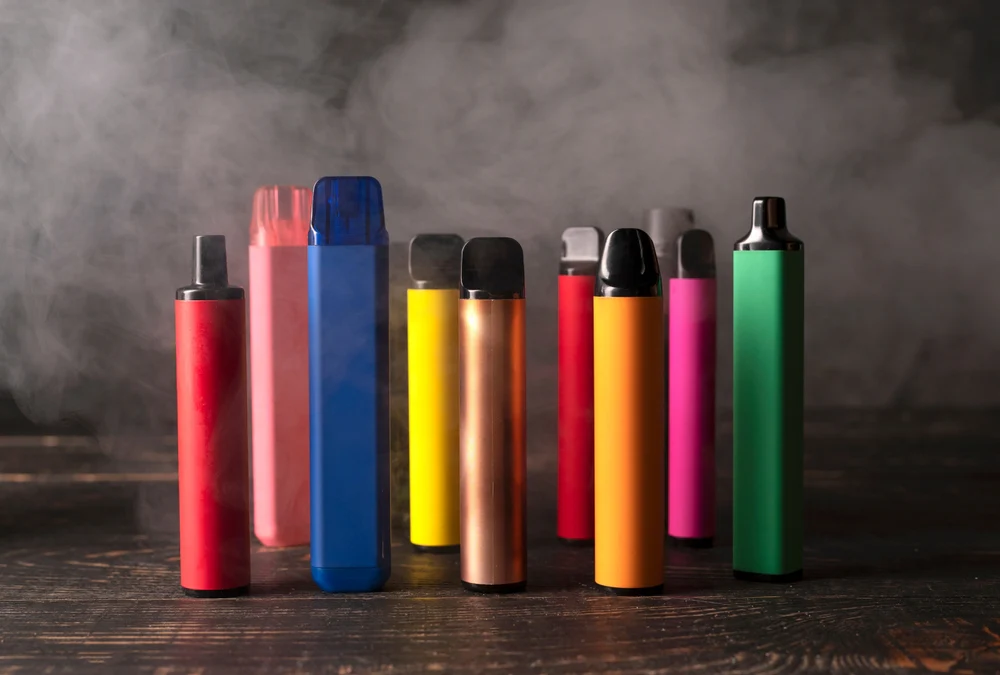
I remember the first time I picked up a disposable vape. It was small, plasticky, and lasted maybe a day before the battery died and the flavor turned into something that reminded me of burnt rubber. I thought that was just how it was. I figured the convenience trade-off meant accepting a worse experience. Turns out, I was just early to the party.
The disposable vape space has shifted dramatically, and if you haven’t been paying attention, you might still have that outdated image in your head. I want to walk through how things actually changed — not in a promotional way, but in a practical, honest way — because the gap between where these devices started and where they are now is genuinely worth understanding.
From Flimsy Starters to Real Everyday Devices
Back in the early days, disposables were almost novelty items. You’d grab one at a gas station, use it for a day, and toss it. The puff counts were laughably low — we’re talking 200 to 400 puffs on a good day. Battery life was a gamble. The flavors were either too sweet or too artificial, and there was zero consistency from puff to puff.
The problem wasn’t just quality. It was that nobody seemed to take disposable vapes seriously as a product category worth investing in. They were an afterthought — something for people who didn’t want to deal with coils and tanks, but weren’t given much better in return.
That created a real frustration. People wanted something grab-and-go, but they also didn’t want to feel like they were constantly compromising on experience. The middle ground just didn’t exist for a while.
The Real Problem With Early Disposables
Here’s what made it actually annoying: the inconsistency. You’d buy two of the same device from the same brand and get completely different experiences. One would hit smoothly, the other would be harsh and weak. You never really knew what you were getting.
For people who valued reliability — especially those who had moved away from cigarettes and were using vapes as part of that transition — this was a real issue. An unreliable device doesn’t just disappoint you. It makes you second-guess your choice entirely.
And then there was the waste factor. Low puff counts meant frequent replacements. Frequent replacements meant more plastic in the trash and more money out of your pocket. For something marketed as convenient, early disposables had a way of creating their own set of headaches.
- Battery dying before the liquid ran out
- Flavor degrading after the first hundred puffs
- No airflow control or customization
- Bulky enough to feel awkward in a pocket
It wasn’t a great situation. And for a while, it stayed that way.
How the Industry Actually Caught Up
Somewhere around 2021 and 2022, things started shifting. Brands began treating disposables like real products — investing in better coil technology, higher-capacity batteries, and flavor development that actually held up through the life of the device.
Puff counts climbed from 400 to 2,000, then to 5,000, and eventually into territory that felt almost unbelievable. Devices like the Mr Fog Nova Steezy pushed that ceiling even further, offering something like 36,000 puffs in a single device. That’s not a gimmick — it represents a real engineering shift in how these products are built. Larger e-liquid capacity, smarter battery management, and mesh coil systems that keep flavor consistent from the first puff to the last.
What changed wasn’t just the numbers. It was the philosophy. Brands started thinking about the full lifecycle of the device, not just the first impression.
The Fifty Bar line became a good example of that approach — straightforward, reliable, and focused on delivering consistent performance without overcomplicating the experience. For someone who just wants a device that works the same way every single time, that kind of consistency matters more than flashy features.
And then there’s the flavor side of things. Early disposables tasted fine for the first twenty puffs and then slowly fell apart. Now, brands have put real effort into making flavors hold up. Nexa Vape is one example of a brand that’s put clear focus on flavor quality — building profiles that stay true and don’t degrade into something unrecognizable halfway through the device’s life.
What This Actually Means for Everyday Users
If you’ve been using disposables for a few years, you’ve lived through this evolution without necessarily naming it. You just noticed that the thing in your hand worked better than the one you had two years ago.
But if you’re newer to this space, here’s what the shift means practically:
- You don’t need to carry a spare device anymore because one will actually last
- Flavor quality is now a real thing, not just marketing language
- Battery dying mid-day is far less common with modern builds
- The form factor has gotten more refined — most devices now feel solid, not cheap
The on-the-go lifestyle that disposables were always supposed to serve is now actually being served. You can put one in your bag Monday morning and not think about it until mid-week, if not later. That wasn’t the reality even three or four years ago.
Where I Think Things Are Headed
The next phase isn’t just about more puffs or bigger batteries. I think it’s about smarter devices — things that give users better awareness of where they are in a device’s life, maybe more airflow control, definitely more refined flavor systems.
The bar has already moved so much that what felt acceptable in 2019 would be considered unusable today. That’s a significant shift in a relatively short window of time.
What I know for sure is that disposables stopped being a compromise and became a legitimate option. That took years of iteration and brands actually listening to what users found frustrating. It’s not a perfect category, but it’s a vastly better one than it used to be — and that’s the part worth acknowledging.
