

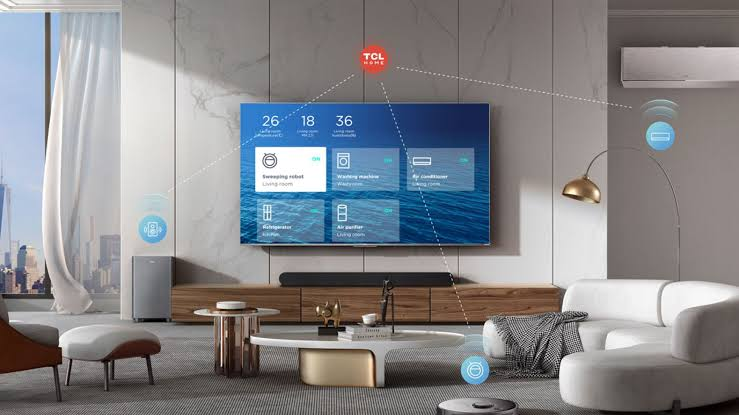
The modern television has evolved far beyond its traditional role as a screen for scheduled broadcasting. Smart TVs, streaming devices, broadband networks and software applications have transformed television into a connected technology platform that now sits alongside smartphones, laptops and other internet-enabled devices.
For technology enthusiasts and developers, this transformation is particularly interesting because the television experience increasingly depends on software architecture, network performance, application design and cloud infrastructure. The quality of the display still matters, but many of the features that shape everyday viewing now exist behind the screen.
Smart TVs Are Becoming Software Platforms
A modern smart television functions much more like a computing device than traditional television hardware. It runs an operating system, installs applications, connects to online services and receives software updates throughout its useful life.
This shift has changed the priorities of television manufacturers. Consumers now evaluate not only picture quality and screen size but also interface speed, application availability, search functionality and long-term software support.
For developers, television platforms create a different set of usability challenges. Unlike smartphones, televisions are usually controlled from several meters away with a remote. Applications therefore need large readable interfaces, simple navigation and limited complexity.
Streaming Depends on More Than the Television
When a viewer presses the play button, the experience depends on several technologies working together. Broadband connectivity, cloud servers, content delivery systems, applications and the home network all contribute to whether video starts quickly and remains stable.
This is particularly important for high-resolution video and live events. A fast internet subscription does not always guarantee smooth playback if Wi-Fi coverage is poor or many devices are competing for bandwidth.
As a result, home networking has become closely connected to entertainment technology. Router placement, wireless interference, mesh networks and device congestion can directly influence the viewing experience.
Connected Viewing Is Becoming More Regional
Although streaming technology can operate globally, television habits remain influenced by geography. Languages, local broadcasters, sports interests, regulations and consumer preferences vary between markets.
Germany illustrates this regional dimension well. Households may combine conventional broadcasting, smart TV applications, mainstream streaming platforms and internet-delivered television services according to their individual needs.
Consumers researching connected viewing solutions in Germany are therefore participating in a wider technological shift in which television is increasingly delivered through software and internet-connected devices rather than through one fixed distribution model.
For developers and technology companies, regional differences matter because successful products often require more than simple translation. Device compatibility, user support, interface design and content organization may need to reflect the expectations of the intended audience.
Content Discovery Has Become a Technical Problem
The expansion of digital television has created an unusual challenge: viewers often have access to more content than they can easily navigate.
Films, live channels, sports, documentaries and other programming may be distributed across multiple applications. A user may know exactly what they want to watch but still need to search several platforms before finding it.
This makes content discovery an important technology problem. Recommendation engines, universal search systems, metadata databases and personalized home screens are increasingly used to reduce friction.
Artificial intelligence may improve these systems further by identifying viewing patterns and helping users navigate large libraries. However, good discovery still depends on accurate data and thoughtful interface design rather than algorithms alone.
Cross-Device Experiences Are Becoming Standard
Another important development is the connection between the television and smaller devices. A user might discover a program on a smartphone, save it to a watchlist and later continue on a television.
To support this behavior, digital services increasingly synchronize accounts, preferences and viewing histories across devices. This creates a smoother experience for consumers but additional complexity for developers.
Applications may need to work across televisions, mobile operating systems and web browsers while maintaining consistent user data. Authentication, cloud synchronization and responsive interface design therefore become important components of the overall product.
Live Streaming Presents Different Engineering Challenges
On-demand video allows platforms to prepare content in advance, while live streaming must deliver information continuously as an event happens. This creates different technical demands.
Sports, breaking news and major public events can produce sudden increases in traffic. Streaming infrastructure needs to scale while maintaining stable playback across different internet connections and devices.
Latency can also become more noticeable during live events. A delay of several seconds may be insignificant during a recorded film but frustrating when viewers are following a live match while receiving updates from other devices.
These challenges explain why network optimization, distributed infrastructure and performance monitoring remain important areas of streaming technology.
Security Is Becoming Part of the Television Experience
Once televisions connect to the internet, they inherit many of the same security considerations as other smart devices. Applications may require accounts, store credentials and communicate with remote servers.
Consumers should therefore keep device software updated, use trusted applications and protect important accounts. Manufacturers and service providers also need to maintain secure software throughout the life of their products.
Privacy is equally important. Personalized recommendations can improve content discovery, but users should understand what information is collected and how it is used.
The Connected Home Is Encouraging Device Convergence
Television technology is also becoming increasingly connected to the wider smart-home ecosystem. Phones can act as remote controls, smart speakers can provide voice commands and wireless networks allow several devices to interact.
This convergence creates opportunities for developers who can reduce complexity. Consumers generally do not want to understand every technical layer behind their entertainment system. They want devices to discover each other quickly, applications to work reliably and interfaces to remain simple.
The companies that solve these integration problems effectively can provide significant value even without producing the entertainment content itself.
What Comes Next for Connected Television?
The next generation of television is likely to be shaped as much by software as by improvements in display hardware. Better search, faster applications, stronger cross-device synchronization and more intelligent content discovery could all become important areas of innovation.
At the same time, consumers are likely to demand greater simplicity. Adding more applications and services does not automatically produce a better experience. The challenge will be helping viewers navigate an increasingly fragmented digital entertainment environment without overwhelming them.
For developers, this means connected television remains an interesting field where networking, cloud infrastructure, user-interface design, artificial intelligence and consumer electronics intersect.
Television Is Now Part of the Broader Technology Ecosystem
The transformation of television demonstrates how internet connectivity can redefine a familiar product. The screen remains central to home entertainment, but the systems behind it are becoming increasingly software-driven.
Viewers now interact with applications, cloud services, connected devices and online content through the television, while developers must think about performance, compatibility, security and usability across multiple platforms.
Connected television is therefore no longer only an entertainment subject. It has become a technology topic involving many of the same engineering and design challenges found elsewhere in the digital world.
As smart devices continue to converge, the most successful television experiences will likely be those that hide technical complexity from the user while delivering reliable, flexible and intuitive access to digital media.
