

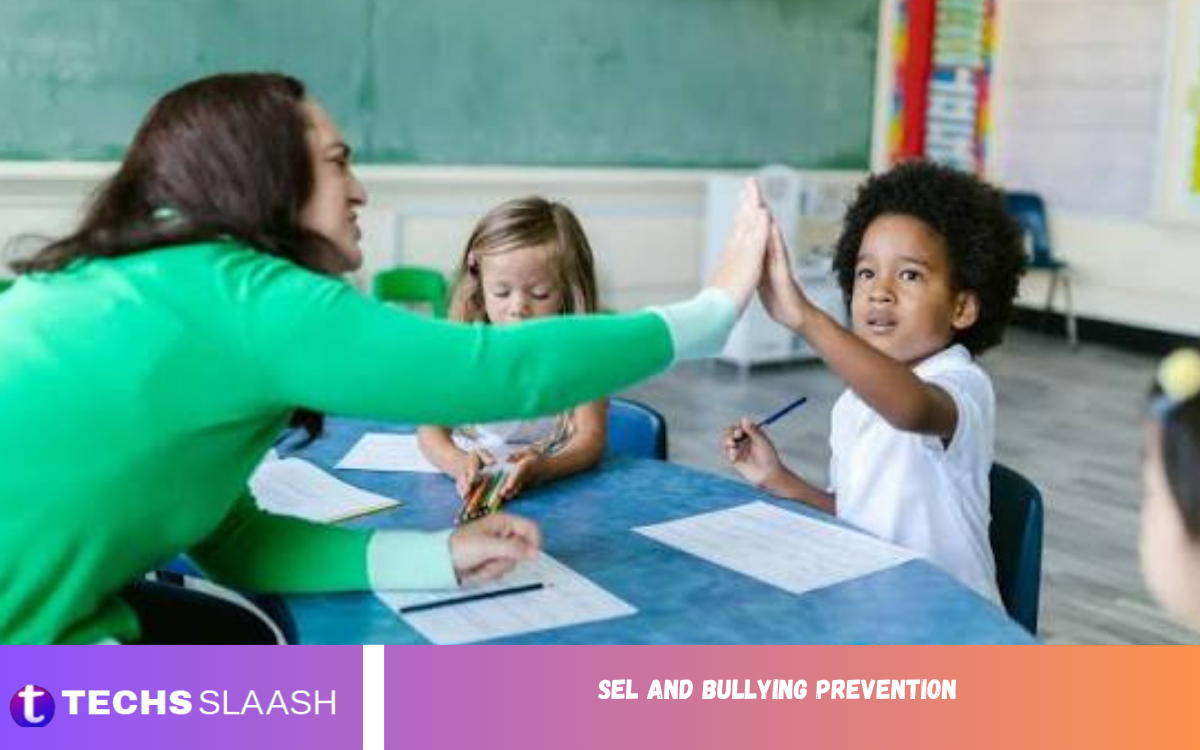
SEL and Bullying Prevention are closely connected approaches that help schools create respectful, supportive, and emotionally safe learning environments. Social-emotional learning (SEL) teaches students how to understand emotions, manage behavior, build relationships, make responsible decisions, and respond appropriately to challenging situations. These skills can reduce behaviors that contribute to bullying while helping students develop healthier ways to communicate and solve conflicts.
Bullying prevention focuses on stopping repeated harmful behavior, intimidation, exclusion, harassment, and other actions that make students feel unsafe. When SEL is included in a comprehensive bullying prevention strategy, students gain practical skills for empathy, self-control, communication, and responsible decision-making. Together, these approaches can strengthen school culture and encourage students to treat one another with dignity.
How SEL Helps Prevent Bullying
SEL helps students recognize their own emotions and understand how their actions can affect other people. A student who learns emotional awareness may be better prepared to recognize anger, frustration, jealousy, or embarrassment before those emotions lead to harmful behavior. This awareness can create opportunities to pause, think, and choose a more respectful response.
Another important benefit is improved interpersonal understanding. Students learn to listen, communicate clearly, cooperate with classmates, and consider different perspectives. These abilities can reduce unnecessary conflicts and help children respond constructively when disagreements occur. Over time, classrooms that consistently practice SEL can become more inclusive and respectful environments.
Building Empathy Through Social-Emotional Learning
Empathy is one of the most valuable skills in SEL and Bullying Prevention because it encourages students to consider what another person may be experiencing. When children understand that classmates can have different emotions, backgrounds, needs, and reactions, they may become less likely to intentionally hurt or exclude others. Teachers can develop empathy through discussions, classroom activities, stories, and cooperative learning.
Empathy also helps students recognize when someone else needs support. A student who notices a classmate being isolated or targeted may feel more confident speaking up, seeking adult assistance, or offering friendship. Teaching empathy does not mean expecting children to solve bullying situations alone; instead, it helps them develop compassion while adults remain responsible for appropriate intervention.
Developing Self-Awareness and Self-Management
Self-awareness allows students to identify their emotions, recognize personal strengths, and understand situations that may trigger strong reactions. This skill is important because bullying and peer conflict can sometimes involve anger, insecurity, frustration, or a desire for social attention. Helping students understand these feelings gives them healthier ways to respond.
Self-management builds on that awareness by teaching students how to control impulses and handle difficult emotions. Breathing techniques, reflection, positive self-talk, problem-solving, and taking a brief pause can help students manage challenging moments. These strategies can reduce impulsive reactions and encourage students to choose behavior that supports a safe and respectful school environment.
Strengthening Relationship Skills
Strong relationship skills are another essential part of SEL and Bullying Prevention. Students need to know how to communicate respectfully, listen to others, cooperate in groups, establish boundaries, and resolve disagreements. These abilities can make everyday peer interactions more positive and reduce misunderstandings that sometimes develop into larger conflicts.
Schools can strengthen relationship skills through group projects, peer activities, role-playing, classroom conversations, and guided conflict-resolution exercises. Students should learn that healthy relationships involve respect, honesty, cooperation, and appropriate boundaries. When these expectations become part of everyday classroom culture, students have more opportunities to practice positive behavior before serious problems develop.
Teaching Responsible Decision-Making
Responsible decision-making helps students consider the possible consequences of their choices. Instead of acting immediately, students can learn to ask whether a behavior is safe, respectful, fair, and appropriate. This process can be especially useful when students experience peer pressure or witness behavior that could harm another person.
Teachers can use realistic situations to help students think through choices and consequences. For example, students can discuss what they should do if a classmate is repeatedly excluded, mocked, threatened, or embarrassed. The goal is not simply to tell students what to do but to help them develop judgment and confidence so they can make safer decisions.
Creating a Positive School Culture
A successful approach to SEL and Bullying Prevention requires more than occasional classroom lessons. Schools need a consistent culture in which respect, kindness, accountability, and inclusion are clearly communicated and demonstrated by adults. Teachers, administrators, counselors, and other staff members should model the behaviors they expect from students.
Clear expectations should apply throughout the school, including classrooms, hallways, playgrounds, cafeterias, buses, sports activities, and online interactions connected to school life. Students should know that bullying is taken seriously and that concerns can be reported safely. A consistent approach helps build trust and makes prevention part of the school’s everyday environment.
Supporting Students Who Experience Bullying
Students who experience bullying may feel anxious, isolated, embarrassed, or reluctant to ask for help. SEL can provide emotional skills that support resilience, but students should never be expected to handle bullying independently. Adults must take reports seriously, investigate concerns appropriately, protect students from further harm, and follow established school policies.
Support should also help affected students rebuild confidence and a sense of belonging. Trusted adults can provide opportunities for students to talk, identify supportive relationships, and develop appropriate coping strategies. The focus should be on safety and well-being rather than blaming the student or suggesting that the student caused the problem.
Addressing Students Who Bully Others
Bullying prevention should also address the behavior of students who bully others. Accountability is important, but punishment alone may not address the underlying social-emotional skills that need development. Students may require guidance in empathy, emotional regulation, communication, conflict resolution, and responsible decision-making.
Adults should establish clear boundaries while helping students understand the impact of their actions. Appropriate consequences should be combined with opportunities to learn and practice healthier behaviors. This balanced approach communicates that harmful conduct is unacceptable while recognizing that students can develop better skills and make meaningful behavioral changes.
Read Also: Leadgamp: A Game Changer in Logistics Marketing Services
The Role of Teachers and School Staff
Teachers play a major role in creating classrooms where students feel respected and included. They can introduce SEL skills through daily routines rather than limiting social-emotional learning to a separate lesson. Greeting students positively, encouraging cooperation, addressing disrespect quickly, and modeling calm communication can reinforce SEL principles throughout the school day.
School staff should also pay attention to changes in student behavior and peer relationships. Sudden withdrawal, repeated conflict, exclusion, fear of certain situations, or unexplained changes in participation may warrant attention. Staff should follow appropriate school procedures when concerns arise and work together to provide consistent support.
Engaging Families in Bullying Prevention
Families are important partners in SEL and Bullying Prevention because children develop social and emotional skills across home and school environments. Schools can communicate with families about expectations, warning signs, reporting procedures, and ways parents or caregivers can reinforce respectful behavior at home. Consistent messages can make SEL skills easier for students to apply.
Families can encourage children to talk about their experiences, listen without immediately judging, and practice problem-solving together. Parents and caregivers can also model empathy, respectful disagreement, emotional regulation, and responsible decision-making. When families and schools communicate openly, students receive stronger and more consistent guidance.
Measuring the Success of SEL and Bullying Prevention
Schools should evaluate whether their prevention efforts are producing meaningful improvements. Useful information may include student surveys, staff observations, disciplinary data, attendance patterns, reports of bullying, and feedback from families. Looking at multiple sources can help schools identify strengths as well as areas that require additional attention.
Evaluation should be viewed as an ongoing process rather than a one-time assessment. Schools can use findings to improve SEL instruction, strengthen supervision, adjust reporting systems, and provide additional support where needed. Regular review helps ensure that SEL and Bullying Prevention efforts remain relevant to the changing needs of students and the school community.
Practical Strategies for Schools
Schools can begin by establishing clear definitions and expectations around bullying, respectful behavior, inclusion, and reporting. SEL lessons can then focus on skills such as empathy, emotional regulation, communication, responsible decision-making, and conflict resolution. Staff training is equally important because adults need shared strategies for responding to concerns consistently.
Other practical strategies include classroom check-ins, cooperative activities, peer-support opportunities, supervised high-risk areas, student voice initiatives, and accessible reporting channels. Schools should also recognize positive behavior and create opportunities for students to build connections across different groups. Prevention becomes stronger when students understand that every member of the school community has a role in creating a safe environment.
Why SEL and Bullying Prevention Work Together?
SEL and bullying prevention address different but interconnected needs. Bullying prevention establishes boundaries around harmful behavior and provides systems for responding when problems occur. SEL develops the emotional and social abilities that can help students build healthy relationships, manage conflict, recognize harm, and make responsible choices.
When these approaches are integrated, schools can move beyond reacting to individual incidents and focus more strongly on prevention. Students learn not only that bullying is unacceptable but also what respectful behavior looks like in practice. This combination can contribute to stronger relationships, greater belonging, and a healthier learning environment.
Frequently Asked Questions
What is SEL and Bullying Prevention?
SEL and Bullying Prevention combines social-emotional learning skills with strategies designed to reduce and address bullying. Students learn skills such as empathy, self-management, communication, relationship building, and responsible decision-making while schools establish clear expectations for safe behavior.
How does SEL help reduce bullying?
SEL can help students understand emotions, manage impulses, communicate respectfully, and consider how their actions affect others. These abilities can reduce some behaviors associated with aggression, exclusion, and unhealthy peer conflict.
Can SEL completely stop bullying?
No single program can guarantee that bullying will disappear completely. SEL is most effective when combined with clear policies, adult supervision, reporting systems, appropriate intervention, family involvement, and a positive school culture.
Why is empathy important in bullying prevention?
Empathy helps students recognize and consider another person’s feelings and perspective. Developing empathy can encourage kindness, reduce harmful social behavior, and increase the likelihood that students will support classmates who are experiencing difficulties.
What SEL skills are most useful for bullying prevention?
Important skills include self-awareness, self-management, empathy, relationship skills, responsible decision-making, communication, and conflict resolution. Students benefit when these skills are taught consistently and practiced in real-life situations.
What should teachers do when they notice bullying?
Teachers should follow their school’s established procedures, take concerns seriously, protect students from further harm, document relevant information when required, and involve appropriate staff. Students should not be expected to resolve serious bullying situations on their own.
How can parents support SEL at home?
Parents can encourage children to identify emotions, discuss difficult situations calmly, practice empathy, listen to others, and consider the consequences of their decisions. Modeling respectful communication is also an effective way to reinforce social-emotional skills.
Should students who bully others receive punishment?
Accountability is important, but consequences alone may not address the skills or behaviors that need improvement. Schools can combine appropriate consequences with guidance, skill development, behavioral support, and clear expectations for future conduct.
How can schools create a safe environment?
Schools can establish clear behavior expectations, train staff, provide accessible reporting methods, teach SEL skills, monitor areas where problems may occur, involve families, and respond consistently to concerns. Student participation can also help strengthen school culture.
How can schools measure the success of bullying prevention?
Schools can review bullying reports, student and staff surveys, behavioral data, attendance information, and feedback from families. Regular evaluation helps identify whether prevention strategies are working and where additional support or changes may be necessary.
Conclusion
SEL and Bullying Prevention work best when they are treated as connected parts of a broader commitment to student safety, belonging, and healthy development. Social-emotional learning equips students with practical skills to understand emotions, build relationships, manage behavior, and make responsible decisions.
At the same time, effective bullying prevention requires clear expectations, responsible adult intervention, family cooperation, consistent policies, and meaningful support for affected students.
