

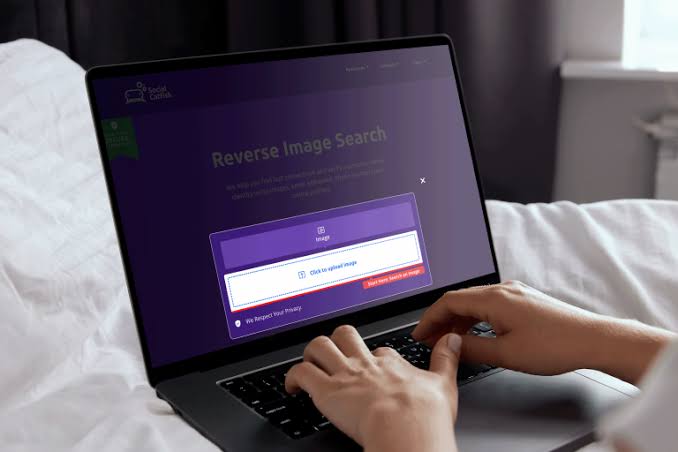
Online dating has become the default way millions of people meet new partners, but it has also created fertile ground for catfishing, romance scams, and fake profiles. According to consumer protection agencies, romance scams cost victims billions of dollars every year, and the damage isn’t only financial — it’s emotional too. The good news is that verifying who you’re actually talking to no longer requires hiring a private investigator. A reverse face search tool can do in seconds what used to take days of manual digging.
Why Fake Profiles Are So Common
Creating a convincing fake dating profile takes very little effort. Scammers borrow photos from real people’s social media accounts, stock photo sites, or even AI-generated face libraries, then build an entire backstory around them. Because most people only cross-check a profile picture with a quick manual Google search, these fakes often go undetected until real money or personal information has already changed hands.
How Reverse Face Search Works
Instead of searching by keywords, a reverse face search analyzes the unique geometry of a face in a photo and compares it against millions of publicly available images across social media, forums, and other indexed websites. Within seconds, it returns a list of matching or similar images along with the pages where they appear, letting you see whether the person’s photo shows up under a completely different name elsewhere online.
Platforms like Face Search AI have made this technology accessible to everyday users rather than just law enforcement or security professionals. You simply upload a photo, and the AI scans a wide range of sources — including major social networks — before returning results with confidence scores so you can judge how strong each match is. Because the process is automated and privacy-conscious, with uploaded images typically deleted within 24 hours, it’s a practical first step before meeting anyone you’ve only spoken with online.
Practical Tips for Safer Online Dating
Before agreeing to meet someone in person, run their profile photo through a reverse image or face search and see if it appears elsewhere under a different identity. Be wary of profiles that refuse video calls, rush the relationship, or eventually ask for money. Trust your instincts if a story doesn’t add up, and always meet first dates in public places.
The Bottom Line
Verifying a photo isn’t paranoia — it’s basic digital hygiene in a world where anyone’s image can be copied and reused in seconds. Tools that let you check a face against public sources give daters a simple, fast way to protect themselves before investing time, trust, or money in someone who may not be who they claim to be.
As AI-driven verification tools and identity detection platforms become critical for online safety, building responsive, secure, and intuitive web applications is essential for developers aiming to protect users across the digital landscape. By partnering with The DIGIT, digital safety platforms and software innovators can engineer custom web applications, integrate high-performance machine learning APIs, and execute targeted digital marketing strategies that scale user adoption and build long-term trust online.
