

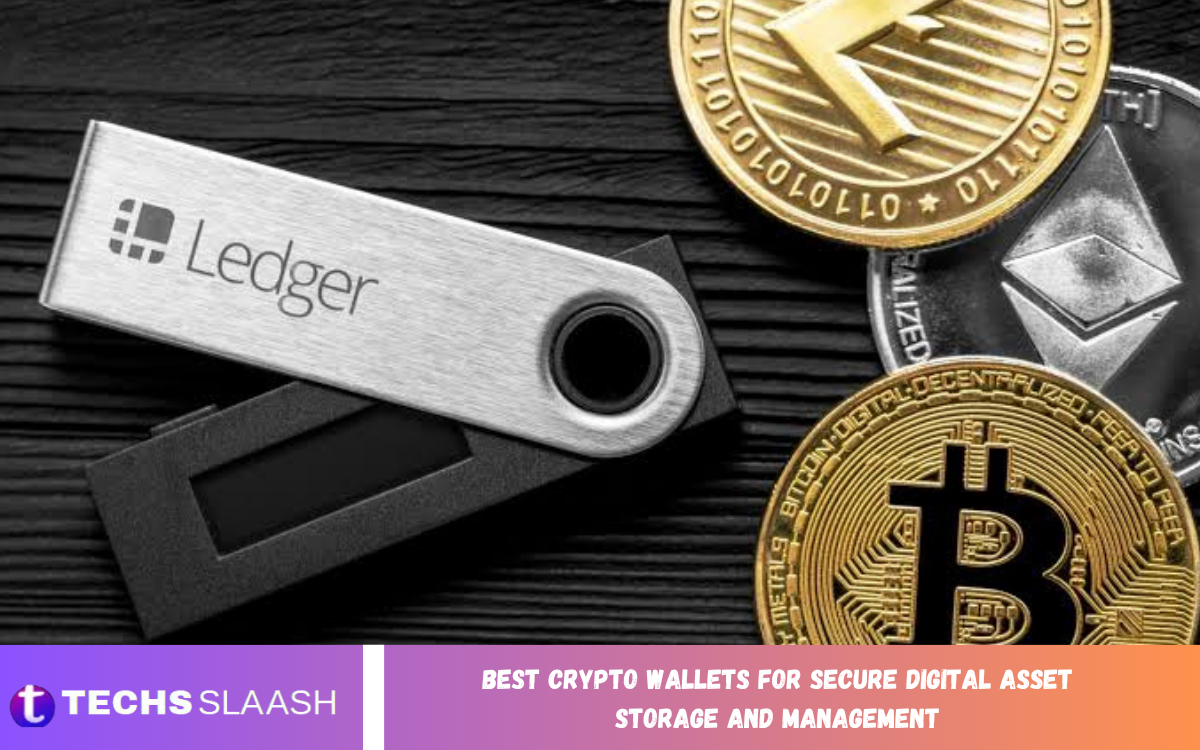
Cryptocurrency wallets have become essential for safely managing digital assets. As crypto adoption continues to expand, choosing a reliable wallet is increasingly important for protecting private keys, managing transactions, and maintaining control over funds. The Best Crypto Wallets for Secure Digital Asset Storage and Management should combine strong security, convenient access, dependable recovery options, and support for the digital assets you actually use.
A crypto wallet doesn’t technically store coins the way a physical wallet stores cash. Instead, it manages the private keys that provide access to assets recorded on a blockchain. This makes wallet security and recovery practices just as important as the wallet’s features.
Understanding Crypto Wallets
Crypto wallets are applications or physical devices designed to manage private keys and interact with blockchain networks. Software wallets generally run on smartphones, computers, or browser extensions, while hardware wallets keep key signing in a dedicated physical device.
The right wallet depends on how frequently you transact, which networks you use, and how much security you require. Someone making frequent Web3 transactions may prefer a convenient software wallet, while a long-term holder may benefit from keeping significant funds in cold storage.
Hardware Wallets for Long-Term Security
Hardware wallets are physical devices designed to keep private keys isolated from ordinary internet-connected environments. They are particularly useful for people who want to protect long-term holdings from many common online threats.
Popular hardware wallet choices include Ledger, Trezor, SafePal, Tangem, and other specialized devices. Their security approaches differ, so buyers should review recovery methods, transaction confirmation, supported networks, firmware architecture, and device reputation rather than choosing based only on popularity.
Software Wallets for Everyday Crypto Management
Software wallets provide quick access to digital assets through mobile applications, desktop programs, or browser extensions. They are convenient for smaller balances, frequent transactions, decentralized applications, token swaps, and other activities that require regular blockchain interaction.
MetaMask, Trust Wallet, Exodus, Rabby, and other software wallets offer different combinations of blockchain support and Web3 functionality. Because software wallets remain connected to devices that may encounter phishing, malware, or malicious websites, users should maintain strong device security and avoid storing unnecessarily large balances in hot wallets.
Ledger Wallets for Multi-Asset Security
Ledger remains a prominent hardware-wallet option for users who want offline key protection with broad asset support. Current Ledger devices emphasize secure hardware, on-device transaction verification, and integration with software interfaces for managing multiple types of digital assets.
Ledger can be particularly useful for users who want cold-storage security and everyday portfolio management. Before buying any device, users should verify compatibility with their preferred cryptocurrencies and applications because asset support can vary by product and software environment.
Trezor Wallets for Transparent Self-Custody
Trezor is another established hardware-wallet brand and is often considered by users who value transparency and open-source development. Recent comparisons highlight Trezor devices for users who prioritize inspectable security architecture and self-custody.
Trezor can suit investors who want a dedicated device for long-term storage while retaining control of their recovery credentials. As with any self-custody solution, however, the device itself is only part of the security model; protecting the recovery information and carefully verifying transactions remain essential.
MetaMask for Web3 and DeFi Activities
MetaMask is widely used for Ethereum, EVM-compatible networks, decentralized applications, and Web3 services. Its browser extension and mobile app make it easy to connect wallets to decentralized platforms and manage supported assets.
Its convenience also means users should be careful when connecting to unfamiliar websites. Malicious smart contracts, fake websites, phishing messages, and fraudulent token approvals can create risks even when the wallet software works correctly. Always review transaction details before signing.
Trust Wallet for Mobile Asset Management
Trust Wallet is designed around mobile-first cryptocurrency management and supports a broad range of blockchain networks and digital assets. It can help beginners who want an accessible interface for transactions, asset management, staking, decentralized applications, and other crypto activities.
Mobile convenience makes Trust Wallet practical for users who frequently manage crypto from smartphones. Nevertheless, users should protect their recovery credentials carefully, install wallet software only from legitimate sources, keep their phone updated, and avoid entering sensitive recovery information into websites or messages.
Tangem for Simple Hardware Storage
Tangem takes a different approach to hardware storage through a card-based wallet design. Its compact form factor can appeal to users who want portable self-custody without the appearance and complexity of a traditional hardware device.
The simplicity can make hardware-based security easier for newcomers. However, users should understand the wallet’s recovery model before committing significant funds and follow the manufacturer’s setup and backup instructions carefully.
Read Also: Best Cryptocurrency Apps for Trading, Investing, and Managing Digital Assets
SafePal for Budget-Friendly Cold Storage
SafePal offers hardware-wallet options for users who want offline asset protection without necessarily buying a premium device. Its products appear in current hardware-wallet comparisons for users seeking cost-conscious security.
A lower purchase price does not mean users should compromise on security practices. Buyers should buy devices through trustworthy channels, inspect packaging and setup procedures, and never accept a recovery phrase from anyone else.
Choosing the Best Crypto Wallet for Your Needs
Selecting the Best Crypto Wallets for Secure Digital Asset Storage and Management starts with identifying your primary use case. Long-term investors may prioritize offline storage, while active users may prioritize accessibility, network compatibility, decentralized application support, and transaction convenience.
Supported assets should also receive careful consideration. A wallet that works exceptionally well for Ethereum and EVM networks may not provide the same experience for Bitcoin or another blockchain. Users should check current compatibility before transferring funds.
Security Features to Consider
A strong wallet should protect private keys reliably and clearly confirm transactions. Hardware isolation, secure device authentication, recovery options, transparent development practices, and clear transaction displays can all strengthen the security model.
Security also depends heavily on the user. A sophisticated wallet cannot protect funds if a recovery phrase is exposed through a screenshot, cloud backup, phishing website, fake support representative, or unsecured device. The recovery phrase should remain private because anyone who obtains it may be able to control the associated assets.
Hot Wallets vs Cold Wallets
Hot wallets are connected to internet-enabled devices and are generally more convenient for frequent transactions. They are useful for decentralized applications, trading, payments, and everyday blockchain activities where quick access is important.
Cold wallets reduce online exposure by keeping private keys or signing capabilities more isolated. Many security-conscious users combine both approaches, keeping limited spending funds in a hot wallet while storing larger long-term holdings in cold storage.
Protecting Your Recovery Phrase
The recovery phrase is one of the most important components of a self-custody wallet. Depending on the wallet, recovery phrases can contain 12, 18, or 24 words and can be used to restore wallet access when a device is lost or replaced.
Never share your recovery phrase with anyone or enter it on a website claiming to provide wallet support. Users should also avoid storing it in ordinary screenshots, emails, messaging applications, or easily accessible cloud documents.
Avoiding Common Crypto Wallet Scams
Phishing is one of the most common threats facing cryptocurrency users. Attackers may create fake wallet websites, fraudulent applications, counterfeit support accounts, or messages designed to trick users into revealing recovery information.
Users should independently verify wallet applications and websites before downloading software or entering sensitive information. Legitimate wallet providers generally do not need a user’s private recovery phrase to provide ordinary technical assistance.
Managing Digital Assets Safely
Good wallet management involves more than selecting a popular application or hardware device. Users should regularly review connected applications, revoke unnecessary permissions when appropriate, keep software updated, and verify recipient addresses before confirming transactions.
For larger portfolios, separating assets across different wallets can reduce concentration of risk. A dedicated long-term wallet and a separate transaction wallet can add a security layer, although each additional wallet also adds another recovery responsibility.
Future of Secure Crypto Wallet Management
Crypto wallets are becoming more than simple storage tools. Modern wallets increasingly combine asset management, decentralized applications, staking, NFTs, swaps, account recovery options, and multi-chain functionality in a single environment.
At the same time, wallet security continues to evolve through hardware isolation, secure elements, air-gapped signing, seedless approaches, and other recovery technologies. The most suitable solution will continue to depend on the user’s technical knowledge, asset portfolio, transaction habits, and security priorities.
Frequently Asked Questions
What Is the Best Crypto Wallet for Secure Storage?
The best crypto wallet depends on your needs. Hardware wallets are generally better suited to long-term self-custody, while software wallets can be more convenient for everyday transactions and Web3 activities.
Are Hardware Wallets Safer Than Software Wallets?
Hardware wallets can reduce exposure to many online threats by isolating important signing operations. However, they are not automatically risk-free because users still need to protect recovery information and verify transactions.
Is MetaMask Good for Crypto Storage?
MetaMask is widely used for Ethereum, EVM networks, DeFi, and Web3 applications. It is particularly useful for active blockchain users, although large long-term holdings may be better suited to a properly secured cold-storage solution.
Is Trust Wallet Safe for Beginners?
Trust Wallet can be convenient for beginners because of its mobile-focused design and broad asset support. New users should still learn how recovery phrases work and avoid interacting with suspicious websites or unsolicited support messages.
Should I Use a Hardware Wallet for Bitcoin?
A hardware wallet can be a strong option for users who want long-term Bitcoin self-custody. The choice should consider the device’s security model, Bitcoin support, recovery process, and your own ability to manage the device safely.
Can I Have More Than One Crypto Wallet?
Yes. Using multiple wallets can separate long-term holdings from funds used for everyday transactions. This approach can reduce exposure from individual wallets but requires careful management of multiple recovery methods.
What Happens If I Lose My Hardware Wallet?
If you have properly secured the wallet’s recovery information, a compatible replacement wallet can generally restore access to the associated accounts. Losing both the device and recovery information can create a serious access problem.
Should I Store My Recovery Phrase Online?
Storing a recovery phrase online is generally discouraged because cloud accounts, email accounts, screenshots, and connected devices can be compromised. A secure offline backup is generally more appropriate for self-custody recovery information.
How Do I Choose a Crypto Wallet?
Consider security architecture, supported cryptocurrencies, custody model, recovery options, platform compatibility, transaction features, and ease of use. Choose a wallet that matches your actual activities rather than selecting one solely because it is popular.
What Is the Safest Way to Manage Crypto?
Use reputable wallet software or hardware, protect your recovery information offline, enable available security protections, verify transactions carefully, avoid suspicious links, and keep only the amount needed for regular activity in convenient hot-wallet environments.
Conclusion
Choosing among the Best Crypto Wallets for Secure Digital Asset Storage and Management requires balancing security, convenience, supported assets, recovery options, and personal usage patterns. Hardware wallets can provide strong protection for long-term holdings, while software wallets remain valuable for everyday transactions and Web3 activities.
The most important principle is that wallet security is a shared responsibility. Choosing a reputable wallet is only the beginning; protecting recovery credentials, verifying transactions, avoiding phishing attacks, and keeping devices secure are equally important for responsible digital asset management.

1 Comment
Pingback: Crypto Exchanges for Secure and Efficient Digital Asset Trading - Techsslaash.com