

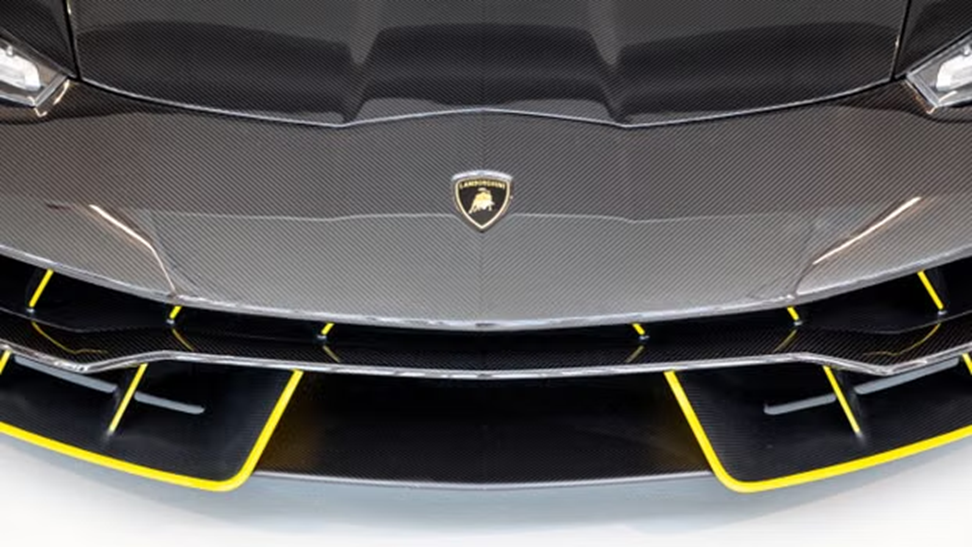
For Porsche 911 and specifically the 992.1 model, enthusiasts demand high-quality aftermarket parts that align with the car’s performance, luxury, and aesthetics. One of the most impactful upgrades that owners often make is adding or replacing the front lip, an essential aero component that enhances a car’s aerodynamics, improves handling, and upgrades its overall style.
When it comes to front lips, choosing the right material is crucial. Two common options are carbon fiber and polypropylene, each offering distinct qualities. However, carbon fiber front lips emerge as the superior choice for Porsche 911/992.1 owners for various compelling reasons. In this blog, we’ll compare carbon fiber and polypropylene and highlight why Porsche 911 carbon fiber front lips are a better investment.
Understanding the Materials
To understand why carbon fiber front lips stand out, it’s important to first compare the characteristics and uses of both materials.
Carbon Fiber: The High-Performance Standard
Carbon fiber is a high-strength, lightweight composite material made by weaving carbon strands and embedding them in a resin matrix. It’s widely regarded as the top-tier material in the automotive and aerospace industries for performance-driven components. It excels in strength, rigidity, and aesthetics, making it perfect for premium vehicles like the Porsche 911.
Polypropylene: The Affordable Alternative
Polypropylene (PP) is a widely used thermoplastic polymer. It’s lightweight, inexpensive, and flexible, making it a go-to material for mass-produced automotive parts like bumpers, trims, and interior panels. While durable in certain applications, polypropylene often falls short in delivering the high performance or luxury feel that sports car owners typically expect.
Key Reasons Why Carbon Fiber Front Lips Are Better for Porsche 911/992.1
1. Lightweight Design for Enhanced Performance
The Porsche 911/992.1 is designed for performance, which means every detail matters, down to the weight of the materials used. A lighter vehicle means better acceleration, cornering, and overall responsiveness.
Carbon Fiber Advantage:
Carbon fiber is 2-5 times lighter than steel and significantly lighter than polypropylene. Equipping your Porsche 911 with a carbon fiber front lip minimizes additional weight, keeping your 992.1 agile and efficient during high-speed driving.
Polypropylene Limitation:
Polypropylene, while lighter than steel, is significantly heavier than carbon fiber. Adding a polypropylene front lip may compromise the lightweight engineering ethos of a Porsche 911.
Why It Matters: A lighter front lip made of carbon fiber ensures optimal handling and maintains your car’s performance edge.
2. Improved Aerodynamics
The front lip plays a critical role in aerodynamics, reducing drag and increasing downforce for improved handling at high speeds.
Carbon Fiber Advantage:
Carbon fiber allows for precise, custom-molded designs that optimize airflow around the vehicle. A precisely engineered carbon fiber front lip reduces air resistance and increases stability, making it perfect for track days or spirited driving.
Polypropylene Limitation:
Polypropylene is often used for basic, mass-produced front lips. Its flexibility and production limitations make it harder to create aerodynamic profiles that match the precision of carbon fiber parts.
Why It Matters: If you want a front lip that truly enhances your Porsche 911/992.1’s performance, carbon fiber is the better option for engineered aerodynamic benefits.
3. Exceptional Durability and Strength
With great speed comes the need for high-strength materials that can withstand the rigors of road and track driving.
Carbon Fiber Advantage:
Carbon fiber offers incredible rigidity and strength. Unlike polypropylene, which can flex and deform under pressure, carbon fiber front lips maintain their shape in high-speed conditions, ensuring they perform their function consistently. Additionally, carbon fiber is highly resistant to heat, UV rays, and environmental elements like rain, snow, or road debris.
Polypropylene Limitation:
While polypropylene is durable and impact-resistant, it’s not as rigid as carbon fiber. Over time, exposure to high heat, cold weather, and UV light may cause it to warp, crack, or fade.
Why It Matters: A Porsche 911 carbon fiber front lip is a premium choice for drivers seeking long-term durability and reliability, even in demanding conditions.
4. Race-Inspired Aesthetics
There’s no denying the visual impact of carbon fiber. Owners of a Porsche 911/992.1 value the car for its luxurious and sporty look, and the front lip is a prominent feature that can enhance the car’s aesthetic appeal.
Carbon Fiber Advantage:
Carbon fiber has an iconic, high-end woven texture that screams luxury and performance. Whether you choose a glossy or matte finish, a carbon fiber front lip enhances the overall style of your Porsche 992.
Polypropylene Limitation:
Polypropylene lacks the premium look of carbon fiber. Its appearance is typically plain, requiring painting to match the sophistication of your Porsche. Still, it falls short of replicating the appeal of carbon fiber’s signature finish.
Why It Matters: For a sleek, luxurious, and sporty finish that matches the Porsche 911/992.1’s aesthetic, carbon fiber is the best choice.
5. Long-Term Heat Resistance
Performance cars like the Porsche 911/992.1 often reach extreme speeds and generate significant heat during driving, putting stress on the materials used for body parts.
Carbon Fiber Advantage:
Carbon fiber offers excellent heat resistance, maintaining its integrity even after prolonged exposure to high temperatures. This makes it ideal for areas like the front lip, which regularly faces intense heat from high-speed air friction and brake systems.
Polypropylene Limitation:
While polypropylene performs well in everyday conditions, it is prone to warping and softening under excessive heat, which may compromise its durability and appearance over time.
Why It Matters: A heat-resistant, carbon fiber front lip can handle the rigors of high-performance driving better than a polypropylene alternative.
6. Long-Term Value and Return on Investment
Carbon Fiber Advantage:
While carbon fiber front lips cost more upfront, they provide long-lasting durability, reducing the frequency of replacements or repairs. Their premium look also adds resale value to your car, making it a worthwhile investment.
Polypropylene Limitation:
Polypropylene front lips may save you money initially, but their susceptibility to wear, warping, fading, and damage results in higher long-term maintenance costs.
Why It Matters: Investing in a carbon fiber front lip ensures that you’re getting a product that not only delivers better performance but retains its value over time.
Why Porsche 911/992.1 Carbon Fiber Front Lips are Superior
When comparing carbon fiber and polypropylene front lips for the Porsche 911/992.1, the choice is clear. Carbon fiber offers unparalleled benefits that align with the high-performance nature of the Porsche brand.
Key Advantages of the Porsche 911/992.1 Carbon Fiber Front Lip:
Lightweight design enhances speed and handling.
Precision aerodynamics improve stability and performance.
Durability and heat resistance ensure long-term use and dependability.
Luxurious aesthetics elevate your car’s overall look.
Better return on investment with lower maintenance and improved resale value.
Although polypropylene front lips are budget-friendly and functional for economy cars, they don’t meet the high-performance standards of a Porsche 911. If you want a front lip that matches the speed, elegance, and precision of your Porsche 992.1, carbon fiber is the ultimate choice.
Upgrade Your Porsche 911 Today with a Carbon Fiber Front Lip
Looking to take your Porsche 911/992.1 to the next level? Explore our premium selection of carbon fiber front lips designed to enhance performance, add luxury, and improve aerodynamics. Start your upgrade today and experience the difference that carbon fiber makes!
