

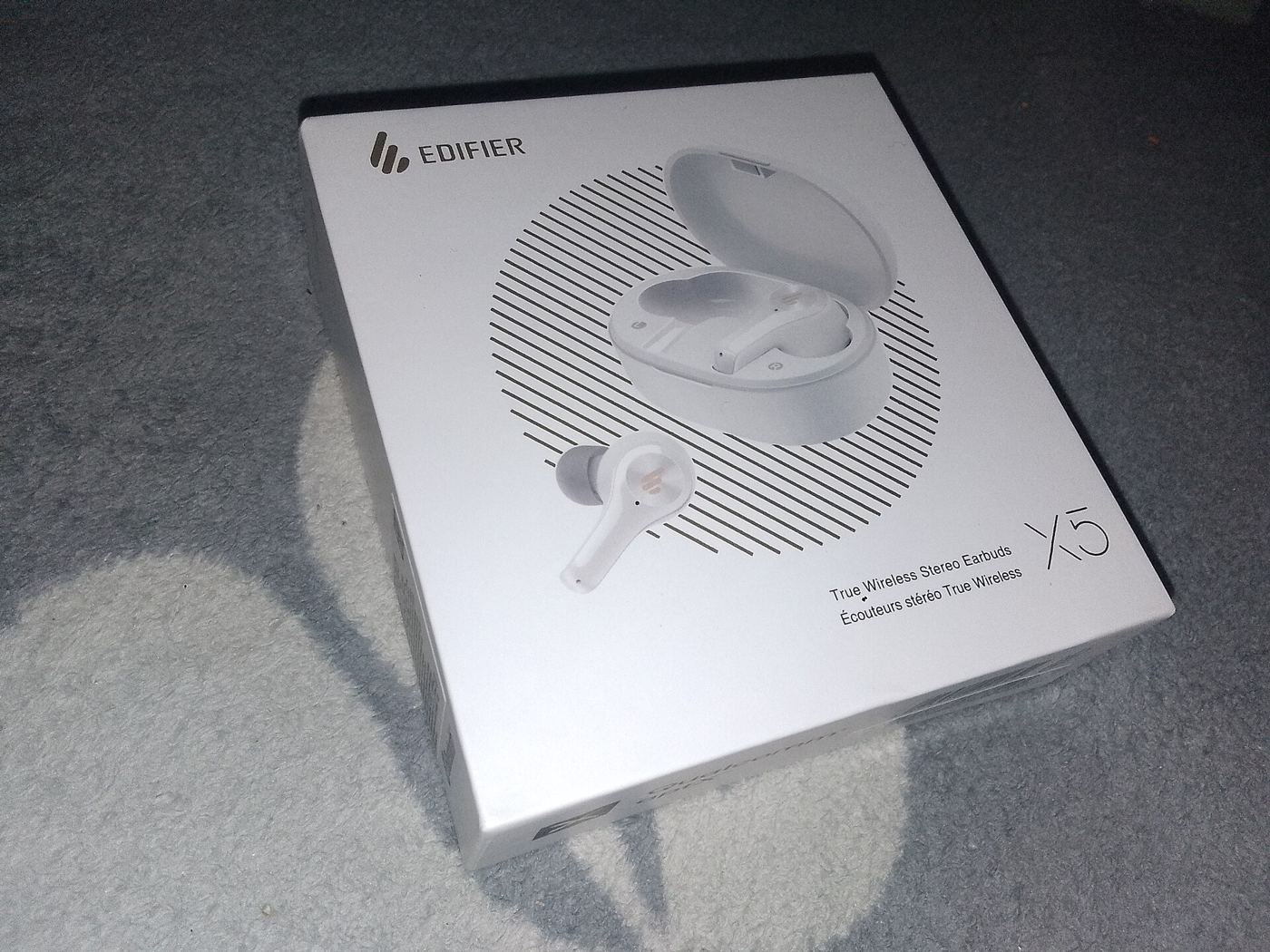
Wireless earbuds are adding translation and hearing support features that extend their role far beyond music and calls during a commute or workout. New models can amplify conversation in noisy places, reduce harsh background sound and translate spoken phrases with help from a connected phone, making travel and social situations easier for many users. Manufacturers are careful to describe hearing features as everyday assistance rather than a replacement for professional assessment or medical hearing aids where those are needed. The appeal lies in discretion and convenience, because a device people already carry can adapt to a restaurant, station announcement or guided tour without special equipment. Battery life and fit remain central to the experience, since translation and active listening features are only useful if earbuds stay comfortable and charged throughout a long day outdoors. Hearing specialists welcome the wider conversation about everyday listening, provided users understand the limits of consumer devices and do not delay proper testing when warning signs such as persistent ringing or one sided hearing loss appear.
What the Evidence Shows
Live translation still works best with clear speech, short phrases and a good data connection, so travellers should treat it as help for everyday exchanges rather than a guarantee for complex negotiations or emergencies. Privacy also deserves attention, because conversation features may process voices through a phone or cloud service depending on the product and settings chosen. Buyers with hearing concerns should compare transparency modes in real environments, check return policies and seek professional advice if difficulty hearing is persistent or getting worse. Competition is pushing these features into mid priced earbuds, not only premium models, which should widen access over the next few years. The broader trend is clear, as earbuds evolve into personal audio assistants that shape sound around the listener, not simply deliver it. As the features spread, clear labelling will matter, so buyers can tell the difference between convenience listening tools, translation aids and regulated medical devices designed for diagnosed hearing loss. Reporting and analysis from sources such as MIT Technology Review track the same developments, and specialists following wireless earbuds with translation features say the direction is now consistent across independent lines of evidence.
The Wider Context
The wider context is an industry learning to ship capability and restraint together. Products built around wireless earbuds with translation features now launch with safety evaluations, usage data and rollback plans as standard, because enterprise buyers and regulators ask for them in the first meeting. Companies that treated those questions as friction are discovering they have become the purchase criteria.
What Happens Next
What happens next for wireless earbuds with translation features depends less on another breakthrough than on the unglamorous work of reliability, pricing and support. The buyers evaluating it now are not enthusiasts; they are operators with budgets and auditors, and their checklists will decide the timeline. On the evidence of the current pilots, the technology has earned the right to be judged by them. You can follow related developments in our coverage of technology.
There is a practical lesson in all of this for readers deciding what to do today. Start with the verified facts, be wary of anyone promising certainty, and prefer reversible steps while the evidence is still developing. Circumstances differ by country, income and personal situation, so general guidance should always be weighed against your own context before you act on it in any significant or lasting way.
